Northern Spain: Picos, Asturias, and Galicia
12 min read
The north of Spain is a different country from Andalusia, and the mistake is to pack for Seville and then act surprised by a sweater in July. It is green because it rains. The food is cider, beans, and fish, not a tapas crawl under an orange tree. The stone is granite and slate as often as it is whitewash. Summer is when this coast makes more sense than the Guadalquivir, precisely because Madrid and Seville are a furnace and the Cantabrian sea is not. You still need a rain jacket. Spain 360 plans these trips from Zaragoza — 360 Travel S.L. — as a private drive, because the villages are the point and the villages are not on the fast train. Flights are not included. Hotels are three to five stars, and we name the property closer to the date.
Why the north does not behave like the south
Andalusia in August asks you to hide from the sun between late morning and evening and to eat your main meal in a shaded room. Asturias in August asks you to keep a waterproof layer in the car and to be glad when the clouds lift off a limestone peak. Both are Spain. They are a poor match for the same week unless you have two weeks and a flight in the middle. The landscape changes before the language does. You come over the Cantabrian mountains, or you land at Bilbao, and the verges are wet, the cows are in the road, and lunch can be a pot of fabada that would floor you if you still had a hike planned. Build the trip around that, or go south and be happy there.
Driving is the right tool. Trains exist: an Alvia from Madrid to Oviedo is a long day, and you should check the current Renfe time rather than trust an old screenshot. There is no ninety-minute AVE to a harbor in Cudillero. The narrow-gauge line along the coast is scenic and slow, a pleasure if the train is the point and a frustration if you are trying to see the Picos and be in Santiago by dinner. The FEVE will not drop you at Lago Enol. A private driver, or a rental car with someone who is comfortable on a wet mountain road, will. Right-hand traffic. Autopistas, the AP roads, are often tolled. Autovías, the A roads, are usually free. The A-8 is how you move between regions when you are not hunting a village. The village road is how you arrive.
Two bases in the Picos, not one blurred ridge
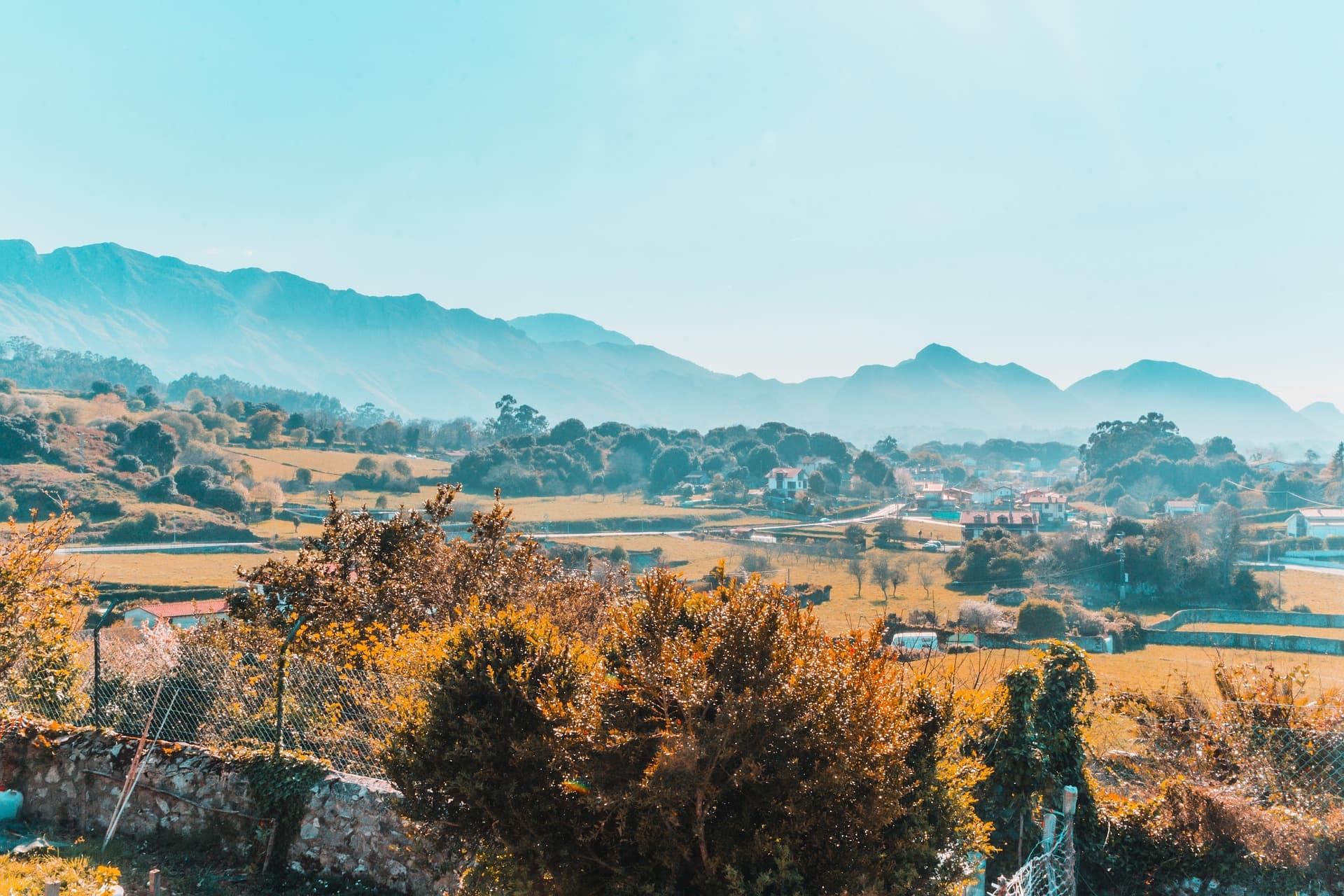
The Picos de Europa are three limestone massifs, and they behave like a wall. Cangas de Onís, on the Asturias side, is the base for Covadonga and the western massif. You will know the town by the Roman bridge and by the little Santa Cruz chapel on its mound. Potes, in the Liébana valley on the Cantabria side, is the base for Fuente Dé and the eastern approach. The Desfiladero de la Hermida, the long gorge you drive to reach Potes, is the arrival, not a separate attraction you also have to 'do.' Santo Toribio de Liébana, a short hop from Potes, is a working monastery with a relic claim and a quiet cloister. It fits a Potes afternoon. It does not fit a day that is already trying to cross the range.
Do not sleep in Cangas and promise Fuente Dé before lunch. The drive between the two bases goes around or over the mountains and spends the day you thought you had saved. Pick a base for two nights, or give each side its own night if the trip is long enough. Our ten-day north itinerary does the second thing on purpose: a Cantabrian side, then an Asturian side, then Galicia. A seven-day trip has to choose. Cut a region in the planning, not on the Wednesday when everyone is tired and the cable car is shut for wind. Private departures start at two guests. When we run a small group, the cap is twelve, which is already plenty of people in a sidrería.
Covadonga and the lakes road
Covadonga itself is the basilica and the Santa Cueva, the cave chapel in the rock above a waterfall pool. That lower visit does not require the lakes road. It is the right stop if the high road is closed, if the weather is sitting on the summits, or if someone in the car does not want a mountain hour. Give it time to be a shrine and a viewpoint, not a photograph taken from a moving bus. The shops at the bottom are not the visit.
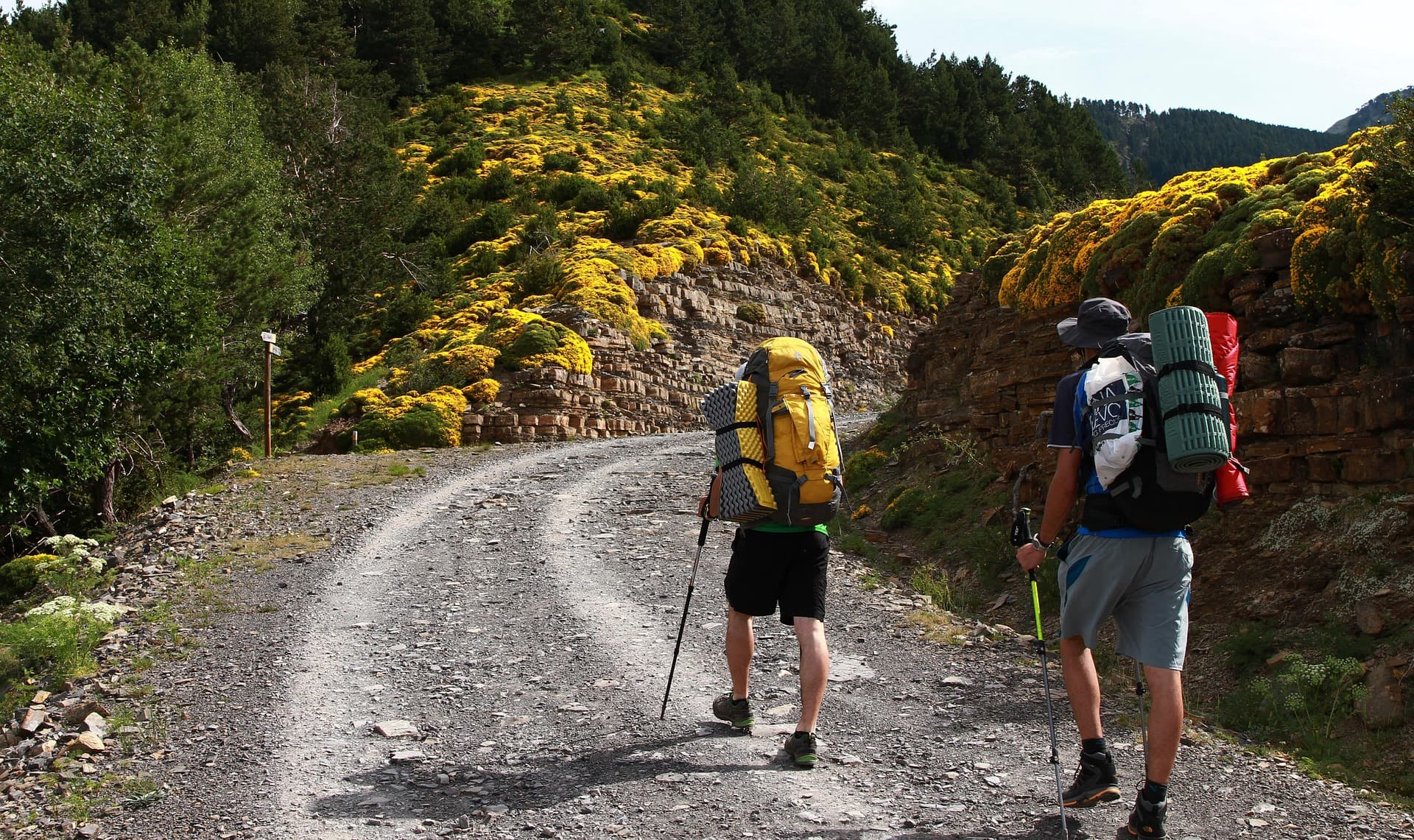
The lakes are Lago Enol and Lago de la Ercina, up a road that in summer and on many holidays is regulated. The rule changes by year and by hour: often a shuttle from Covadonga, sometimes a permit for cars that are staying in the high hotels or that arrive very early. Confirm the current season before you tell anyone you will drive up at noon in August. You will sit in a line, or you will be turned around. Once you are up, the easy version is the path between the two lakes and the Mirador de Entrelagos. The serious version — Vega de Ario, or out toward the Mirador de Ordiales — is a mountain walk with weather, boots, and a daylight budget. It is not a stroll in the shoes you wore to the basilica. If the cloud is down, the lakes still exist and the view does not. Wait an hour if the forecast says the cloud may lift. Do not invent a clear summit you cannot see.
Fuente Dé, if the cable is running
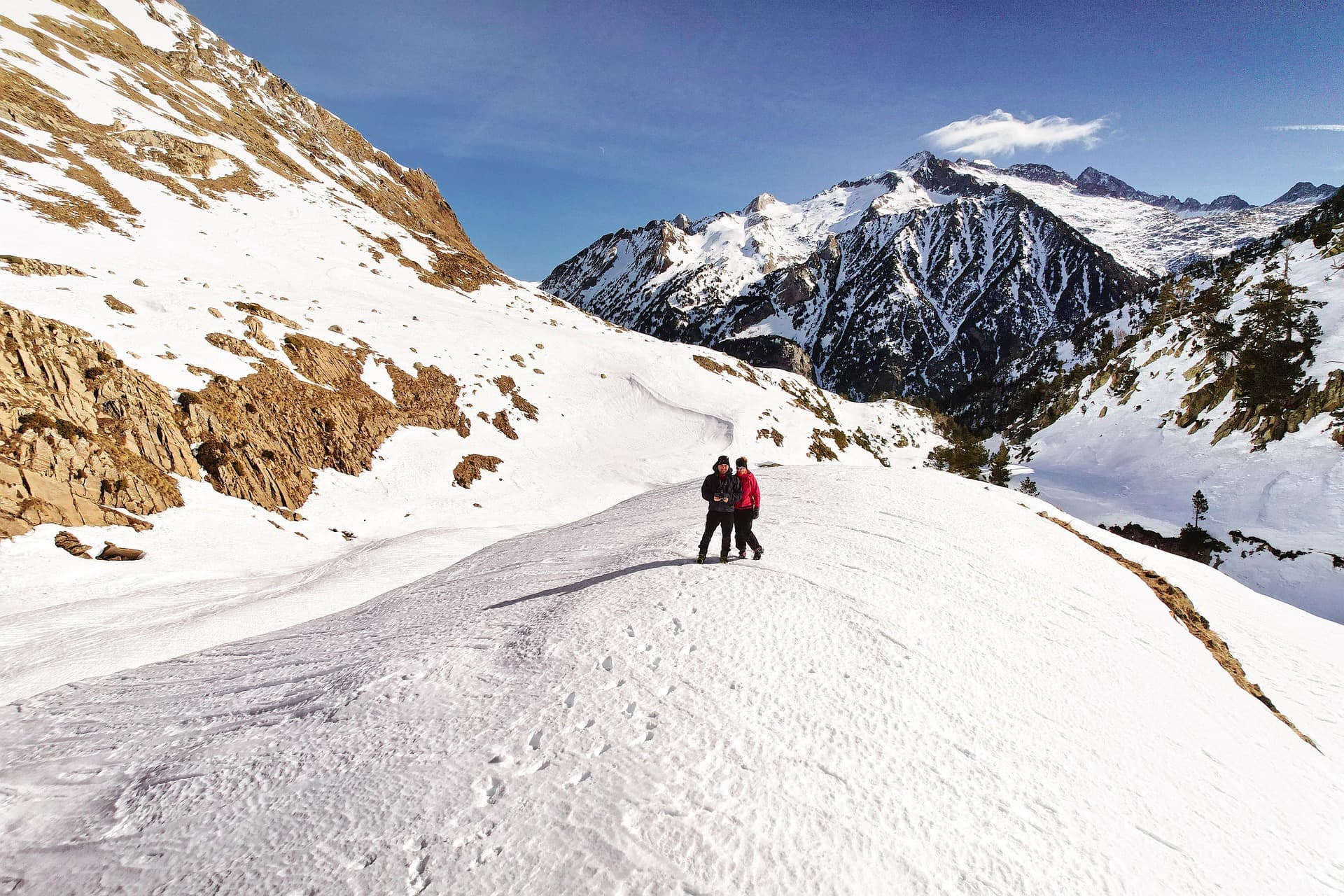
On the Potes side, the Fuente Dé cable car is how you reach the high country without committing to a big hike. It rises from the valley floor to a station under the rock wall. From the top, many people walk the balcony path, look into the massif, and ride down. That is a complete visit. The continuation toward Horcados Rojos is a real hike for people who brought the right shoes and who are starting early enough to come back. Check the morning you go that the cable is running. Wind closes it, and a closed cable car is not a personal insult. It is a day to walk the valley, see Santo Toribio, or drive the gorge slowly and eat well in Potes.
Do not use Fuente Dé as the backup for a failed Covadonga noon. They are opposite sides of the range. If the lakes road is shut to cars, take the Covadonga shuttle or stay with the basilica and the cave. If you wanted the cable car, you should have slept in Potes. The person who draws a single loop — lakes in the morning, cable car after lunch, cider in Oviedo at night — is drawing a diagram, not a day. One high place is enough. The other can have tomorrow, or it can wait for the next trip.
- Two nights at one Picos base, Cangas de Onís or Potes, before you change valleys.
- Covadonga's basilica and cave even if the lakes road is on a shuttle timetable.
- Fuente Dé only after you know the cable is running that morning.
- One Asturian coast town done properly — Llanes or Cudillero — not a collection of harbors.
- Galicia held for its own nights. Finisterre is a drive, not a sunset bolted onto a cathedral morning.
The Asturian coast: Llanes, Cudillero, and the walk back up
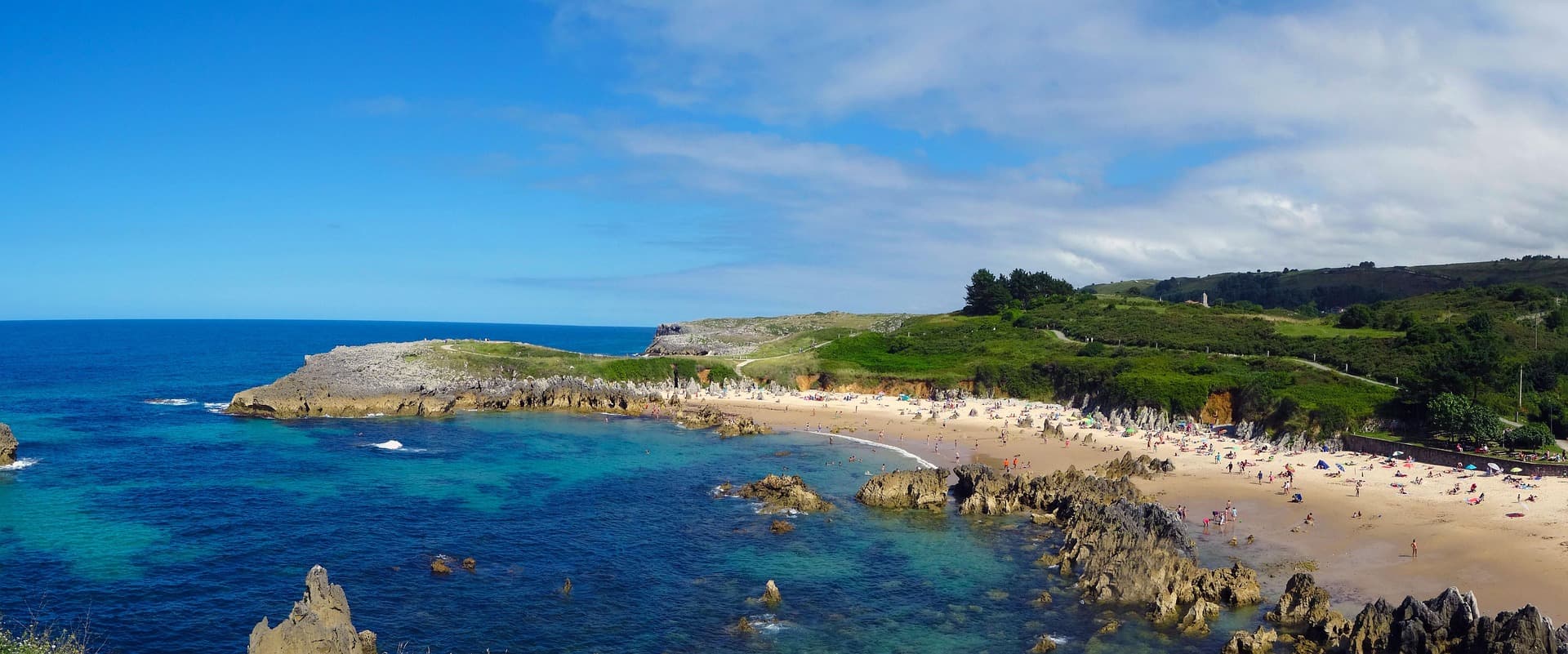
Llanes is the coast town that is easiest to like on a first look. The old center is walkable, the Cubos de la Memoria — those painted concrete blocks on the breakwater — give the harbor an outline you will recognize, and the beaches to either side are the reason to stay. Playa de Toró is the simpler swim. Playa de Torimbia is a walk down from the headland, and it is traditionally clothing-optional, which is worth knowing before you send a family down the path. You do not need both beaches and Covadonga on the same day. Pick the sea or the lakes. Lastres, a smaller stack of houses on a cliff between these towns, is a fair extra only if you are already on the coast road and nobody is watching a dinner clock in Santiago.
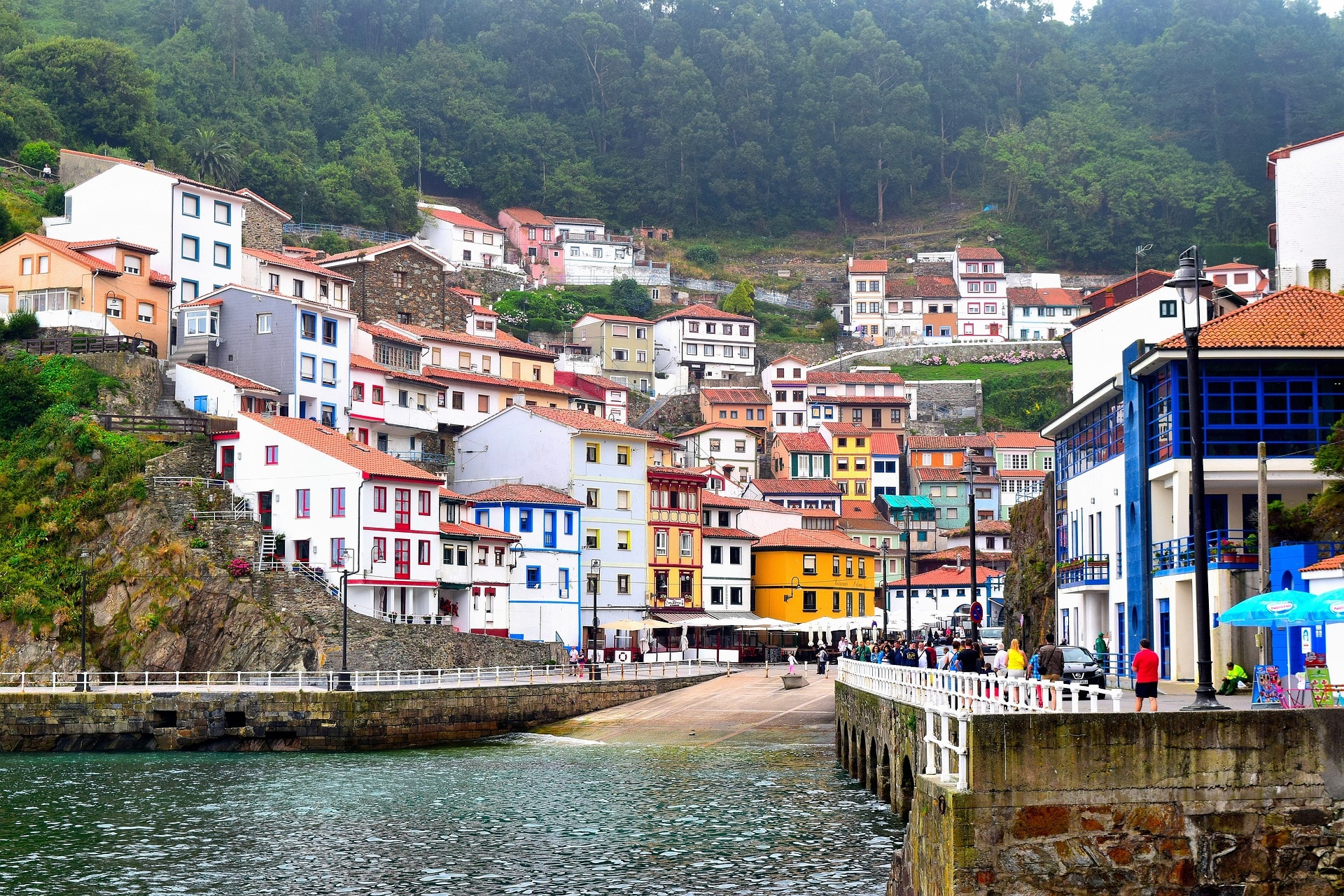
Cudillero is the amphitheater. The houses drop to a small harbor, and the photograph is taken from above or from the quay looking up. You park in the upper lots and walk down. The fact people forget is the walk back up after lunch, which is short and rude if the lunch was fabada and the day was already long. Do it as the point of the afternoon, not as a twenty-minute add after the lakes. A grilled fish or pixín, the local anglerfish, at a table on the harbor is the meal. Then you climb, slowly, and you sleep nearby or in Oviedo. You do not collect Cudillero, Llanes, and Lastres and still claim you saw the Picos.
A seven-day north can hold two of these bases well. A ten-day private drive can hold the sequence without the midnight check-in.
| Base | Use it for | Leave it off this day |
|---|---|---|
| Cangas de Onís | Covadonga, the lakes if access allows | Fuente Dé, Barcelona, a Santiago dinner |
| Potes | The Hermida gorge, Fuente Dé, Santo Toribio | A noon drive to the Covadonga lakes |
| Llanes or the east coast | Beaches, the painted breakwater, a slow swim | A summit walk the same afternoon |
| Cudillero | The harbor and the walk down and back up | Three more fishing towns |
| Oviedo | Naranco's pre-Romanesque churches, Calle Gascona for cider | A same-night transfer to Galicia |
What to eat, and how cider is poured
Fabada asturiana is a bean stew with chorizo and morcilla, and it is a lunch. Order it when the afternoon is a view from the car or a slow town, not when you are about to walk up a lake path. Cachopo is the enormous stuffed, breaded veal cutlet on every tourist board. Eat it once if you want a cutlet. It is not the soul of the region, and a table that only offers cachopo and a sad salad is aiming at the bus, not at you. On the coast, take the fish. Inland, take the beans or a simpler plate and a Cabrales if someone wants the strong mountain blue cheese and knows what they are asking for. It is salty, sharp, and a bad surprise if you expected Manchego.
Cider is poured from height to wake it up. In a sidrería on Calle Gascona in Oviedo, or in Cimavilla, the old fishermen's quarter of Gijón, the server raises the bottle and hits a thin glass with a couple of fingers of sidra. You drink that culín at once. The rest is spilled; the trough in the floor is there on purpose. Do not ask for a wine glass and a slow sip. In a quieter restaurant they may pour more gently, and that is fine. Gascona is the street for the full method, and one street is enough. You do not need twelve cider houses. You need one good hour, standing, and then dinner that is not a second pot of beans unless you are very hungry and very close to the hotel. Gijón's San Lorenzo beach is a city promenade, useful if you want the sea at night. Oviedo is the better first night if the churches on Monte Naranco are the morning: Santa María del Naranco and San Miguel de Lillo are ninth-century, small, and more important than another harbor photo. They sit on the hill above town. A taxi or a short drive, then a visit that is about the stone, not about a viewpoint café.
"One night in the Picos, one night in Santiago, and a blur of coast in between is three checkouts. It is not a north-Spain trip."— Spain 360 trip notes
Galicia needs its own nights
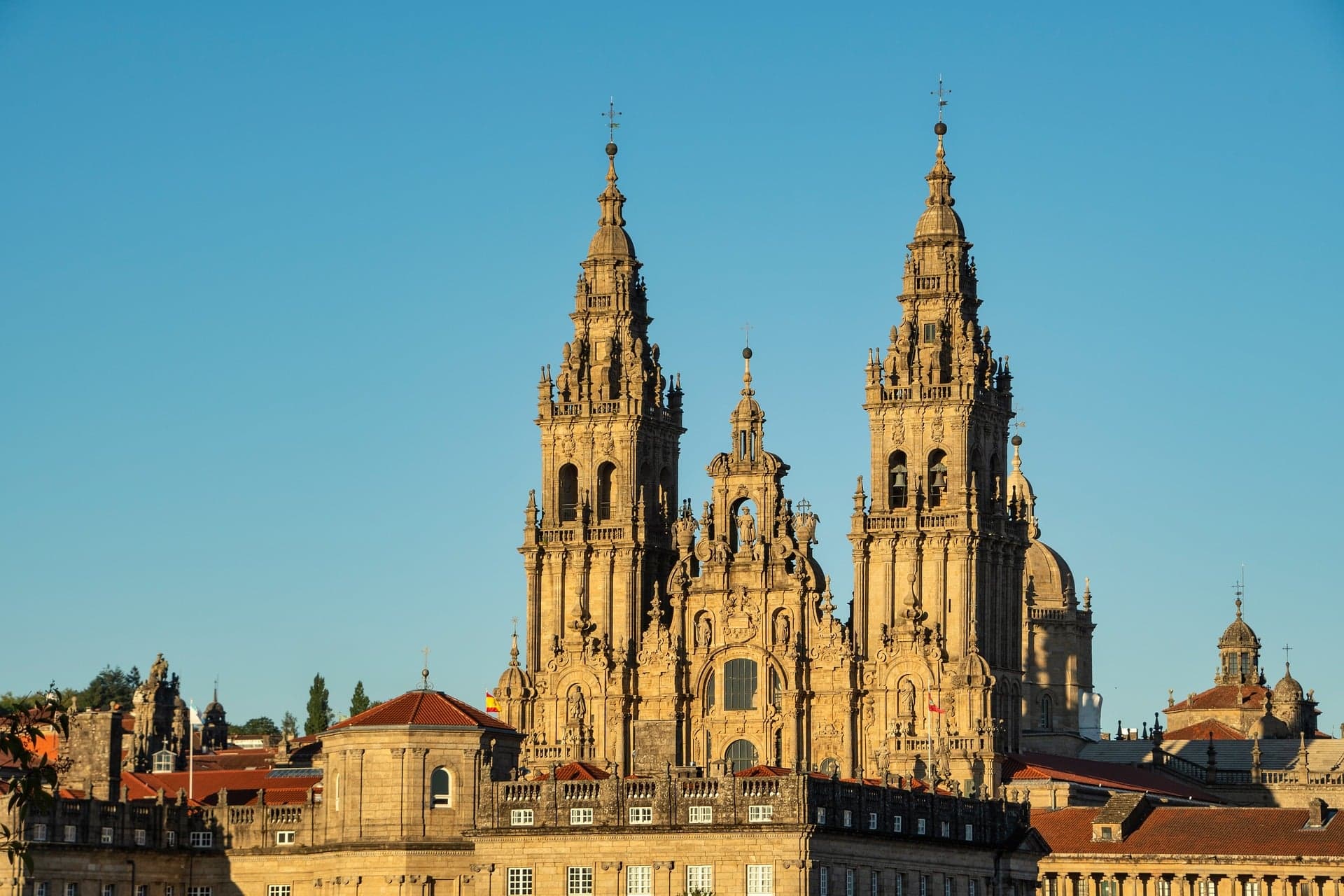
Santiago de Compostela is not the last hour of an Asturias day. The cathedral, the square, and the stone lanes want two nights at a minimum, three if Cape Finisterre is included, and the detail of that stay is its own plan. What matters here is the shape. Finisterre is a drive west from Santiago, on the order of a long hour and a half to two hours depending on the road and the stops, not a sunset you reach after a cathedral morning unless you accept a long day and a late return. Muxía is the same coastal day, not a second evening. If the north trip includes Galicia, give it the nights and let the Picos end the day before, in Oviedo or on the Asturian coast, with a reasonable morning to cross.
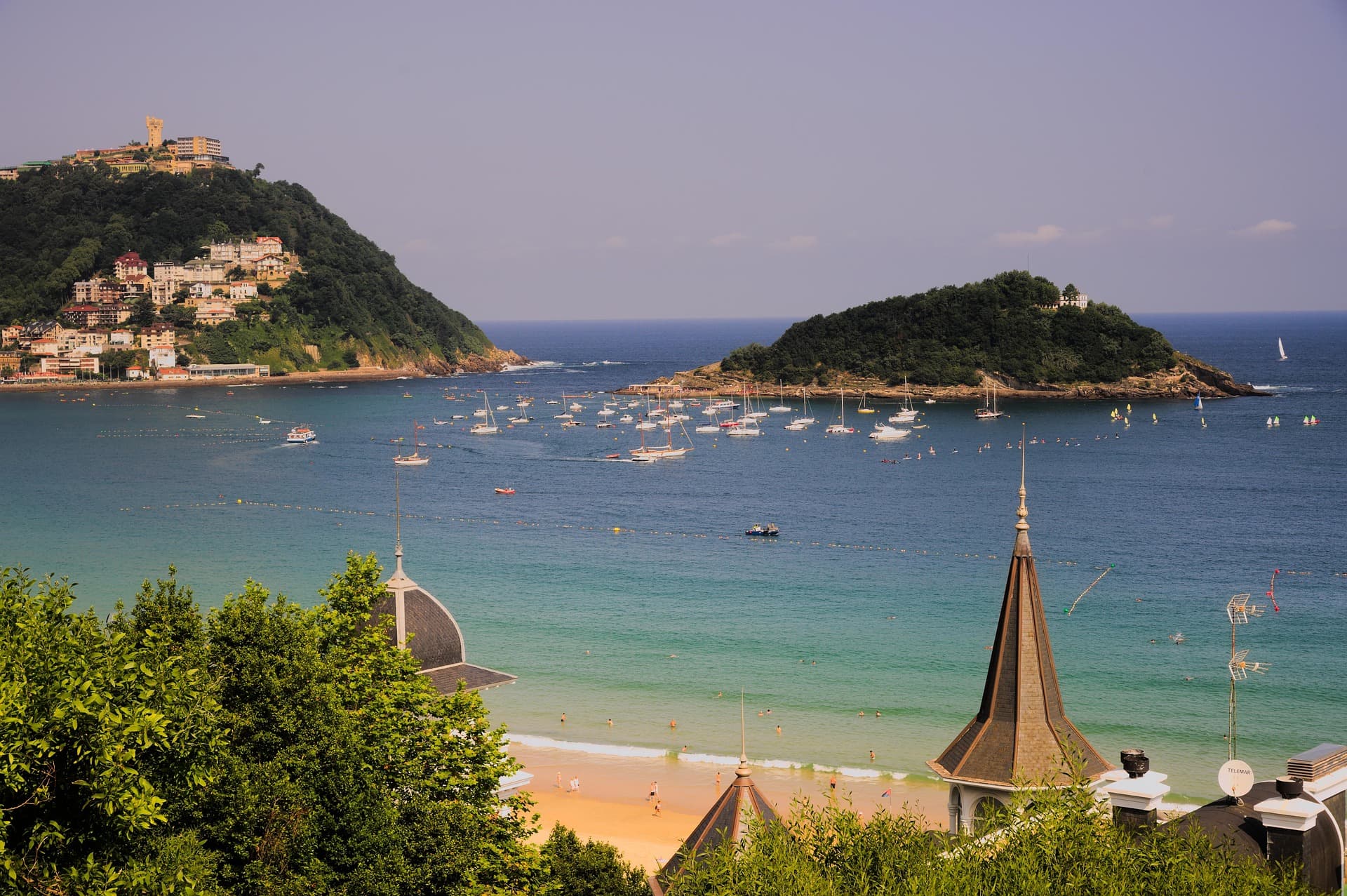
The failure mode is one night in three regions. San Sebastián on Monday, Potes on Tuesday, Santiago on Wednesday, a flight on Thursday. You will have seen a pintxo, a gorge from the car, and a cathedral door, and you will have unpacked three times. A seven-day north, done honestly, might be: arrive Bilbao or Santander; two nights for one side of the Picos; a coast day and a night in Oviedo or Cudillero; then two nights in Santiago, with Finisterre only if the seventh day is real. Cut the Basque cities or cut the cape. Do not cut sleep. A ten-day private drive can hold San Sebastián, the Picos, Asturias, Santiago, and Finisterre because each of those has a date of its own. That is the itinerary we sell. The seven-day version is the same idea with a region removed on purpose.
Barcelona is not next door, and the rain is not a disaster
Do not add Barcelona. From Oviedo or Gijón to Barcelona is a full day on the motorway, the better part of a working day even when the traffic is kind, or it is a flight. The Pyrenees are a trip of their own. The person who wants the Sagrada Família and the Lagos de Covadonga in one week wants two holidays. Fly into Bilbao, Santander, or Santiago if the north is the whole trip. Flying into Madrid and training north can work if the train day is written down as a travel day and the first night is allowed to be a simple dinner near the station. It cannot work if day one is already Fuente Dé.
Pack for rain and for a warm afternoon, sometimes on the same date. July and August are the months when we would rather be here than in Seville, and they are still not a guarantee of sun. A week of drizzle is a good week if the plan is cider, the pre-Romanesque churches, a lake behind cloud, and a harbor. It is a bad week if the only clothes in the bag are the ones you wore in Córdoba. Shoes that can get wet. A jacket that sheds water. An old town — Cudillero, Llanes, Potes, the center of Oviedo — is for walking, so leave the rental car in the upper lot. An International Driving Permit is a cheap backup beside a US license if you are the one driving. On a private trip, you may not drive at all, which is the correct outcome on a cider day. You book the flights. We book the nights so you are not checking out every morning.
Choose Cangas or Potes and stay long enough to see one high place properly. Give the Asturian coast a town, not a checklist. Hold Santiago for nights of its own, and leave Barcelona off the page. The north rewards a rain jacket and a driver. It does not reward a highlight reel.
Plan Your Spain Trip
Talk with our Spain-based team about small-group departures, private itineraries, and straightforward travel from the US—we handle the details.
Contact UsRecommended Journey
Northern Spain Scenic Drives & Picos
Ten private days from Bilbao and San Sebastián along the Cantabrian coast into the Picos de Europa, Asturias, Santiago de Compostela, and Cape Finisterre.
View the itineraryExpert's Tip
In summer, do not assume you can drive up to the Lagos de Covadonga at noon. The road is regulated. Check the shuttle or the permit before you promise the lakes.
Get the Soul of Spain in Your Inbox
Join our curated list for exclusive travel stories, hidden jazz venues, and expert guides delivered once a month.