Rioja and Ribera del Duero
12 min read
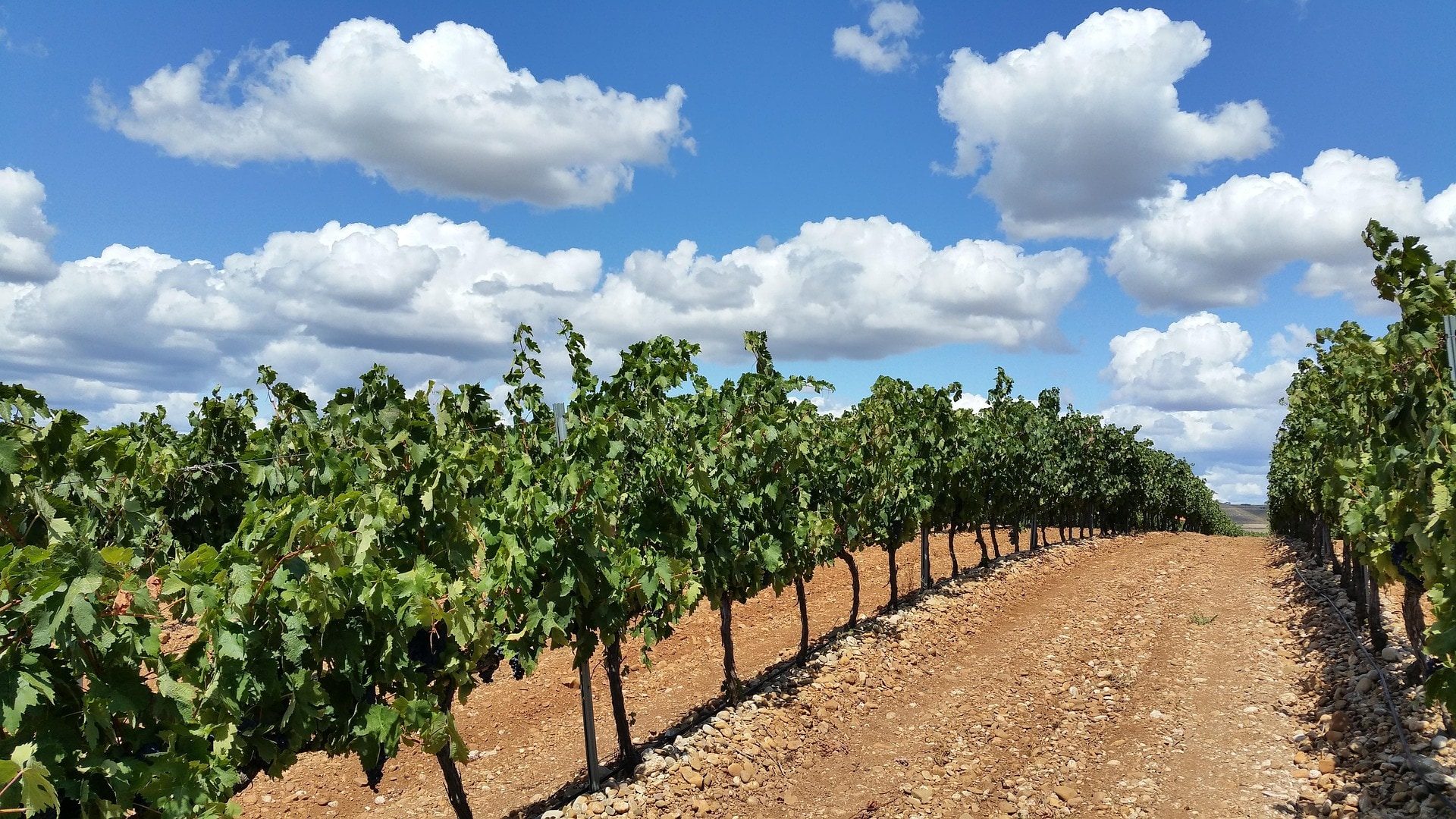
Rioja is a region with three subzones and a lot of bodegas, not a single cellar door you can tick off between Madrid and Bilbao. The towns that work as bases are different from each other. Logroño is where you eat, on Calle Laurel or Calle San Juan. Haro is where the old shipping bodegas line up by the station. Laguardia is the walled village in Rioja Alavesa, under the Sierra de Cantabria, and it is the prettiest place to sleep if the view is part of the point. Ribera del Duero is another river and another day, east of Valladolid around Peñafiel and Aranda. Spain 360 — 360 Travel S.L., based in Zaragoza — splits them on purpose on a private wine week. Two or three tastings. A driver. Flights not included. A three- to five-star hotel we confirm closer to the date.
A region, not a tasting room
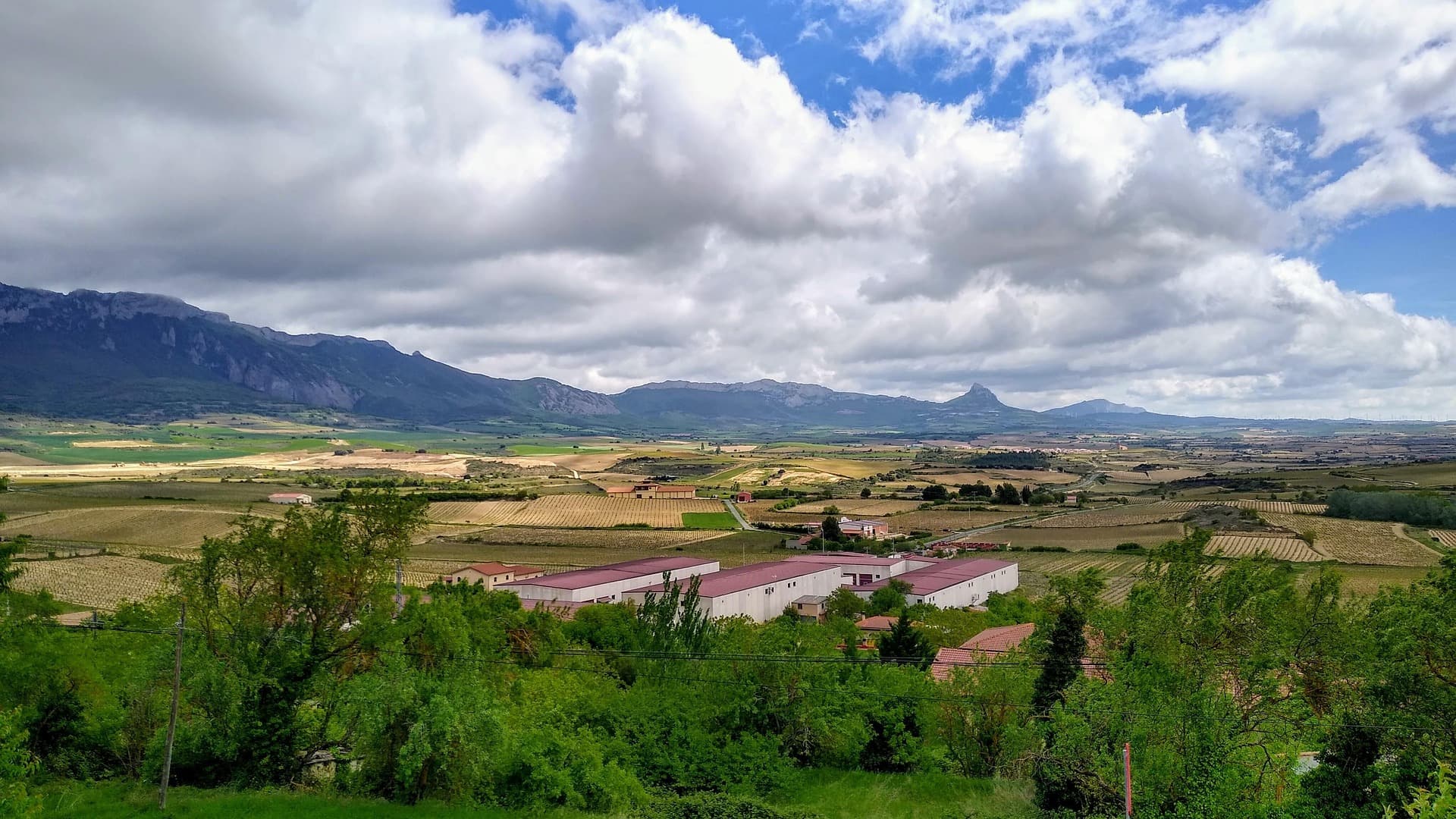
Rioja Alta, around Haro and the upper Ebro, is the Atlantic-leaning side, and it is where a lot of the long-lived reds you already know were built. Rioja Alavesa is the Basque side of the river: Laguardia, Elciego, Labastida, hill villages looking north at the Sierra de Cantabria. Rioja Oriental, the warmer country toward Alfaro, used to be called Rioja Baja and still drinks that way, riper and broader. You will not cover the three in an afternoon, and you do not need to. Pick a base, book the visits that match it, and let the other subzone be a view from the car on the day you leave. People who try to 'do Rioja' in a day end up with a gift-shop pour and a headache on the A-2.
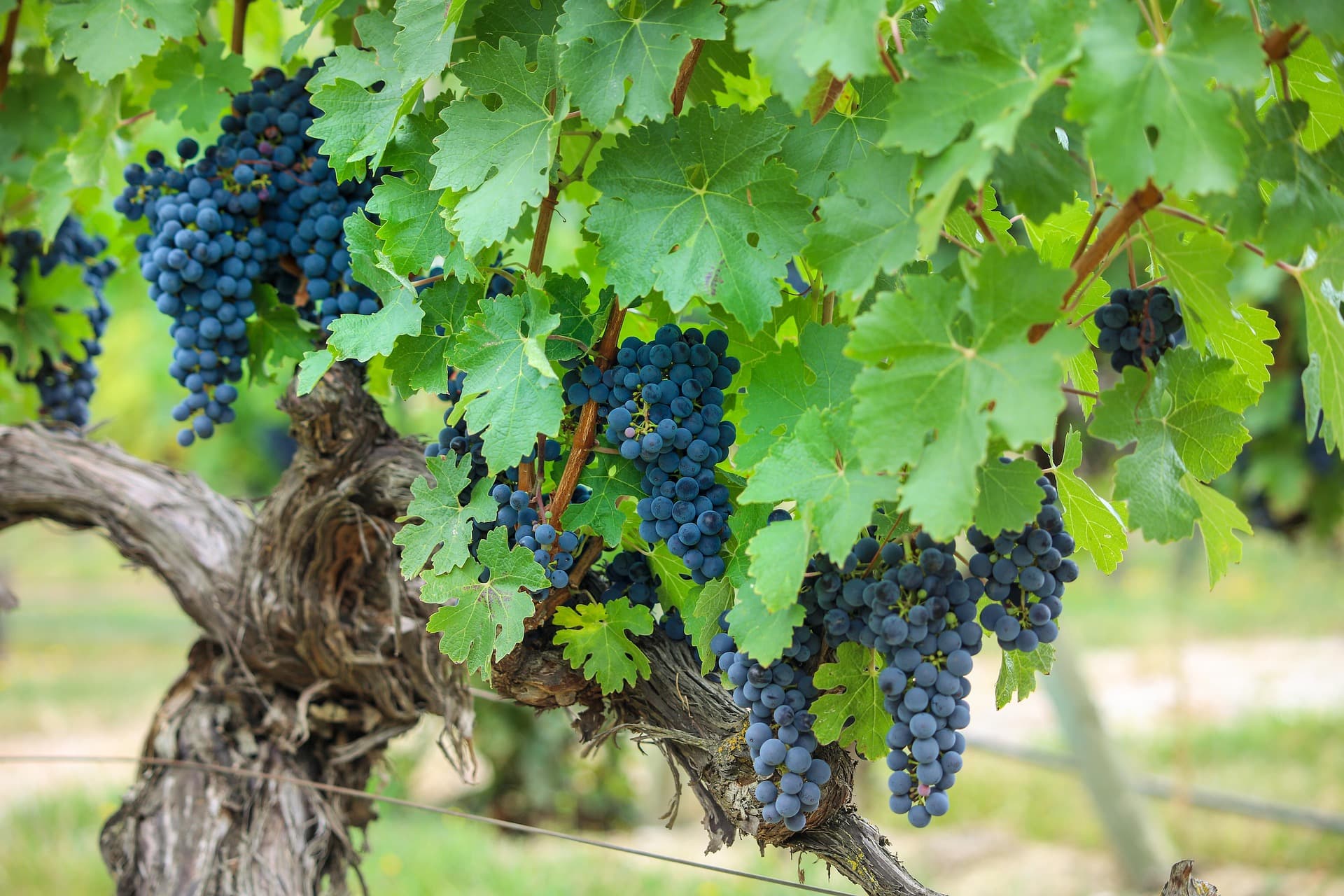
The grape you will actually drink is tempranillo, alone or with garnacha, graciano, and mazuelo. Viura is the white you are most likely to be offered. You can enjoy the week without reciting any of that at the table. What helps is knowing that a purple, fruity glass in Alavesa is often a young wine made by carbonic maceration, built to be drunk while it still feels like fruit, and that a brick-colored reserva is a different object. Neither is the 'real Rioja.' They are two legal, ordinary ways the region works. Tell the host which one you liked. The next pour gets better when you do.
Logroño: one street is enough
Calle del Laurel is the famous pincho street, and Calle San Juan runs beside it, often with a shorter queue and the same idea. The local method is one specialty per bar. You eat the thing that bar is known for — a mushroom, a grilled bite, a tortilla slice — you drink a small glass, and you move. In many of the Laurel bars the toothpicks are how they count what you ate. Keep them on your plate until you pay. Throwing them on the floor is how the tally goes wrong and how you annoy a bartender who is already busy. One street, done well, is a full evening. Both streets, done as a dare, is how you stop remembering what you ate.
Sleep in the center if dinner is the point. A hotel on the edge of Logroño saves nothing you care about and costs you the walk home. Lunch the next day should not be a second crawl. Eat a proper plate — patatas a la riojana, potatoes with chorizo, or a menestra of vegetables — and then go to a booked bodega. The pintxo streets are the night. The vineyard is the morning, and it is better if you are not still full of bread. Dinner in a city restaurant starts in earnest after 8:30 or 9, which on Laurel is when the street is finally doing what you came for. Arriving at 6:30 is arriving at an empty set.
Haro and the station quarter
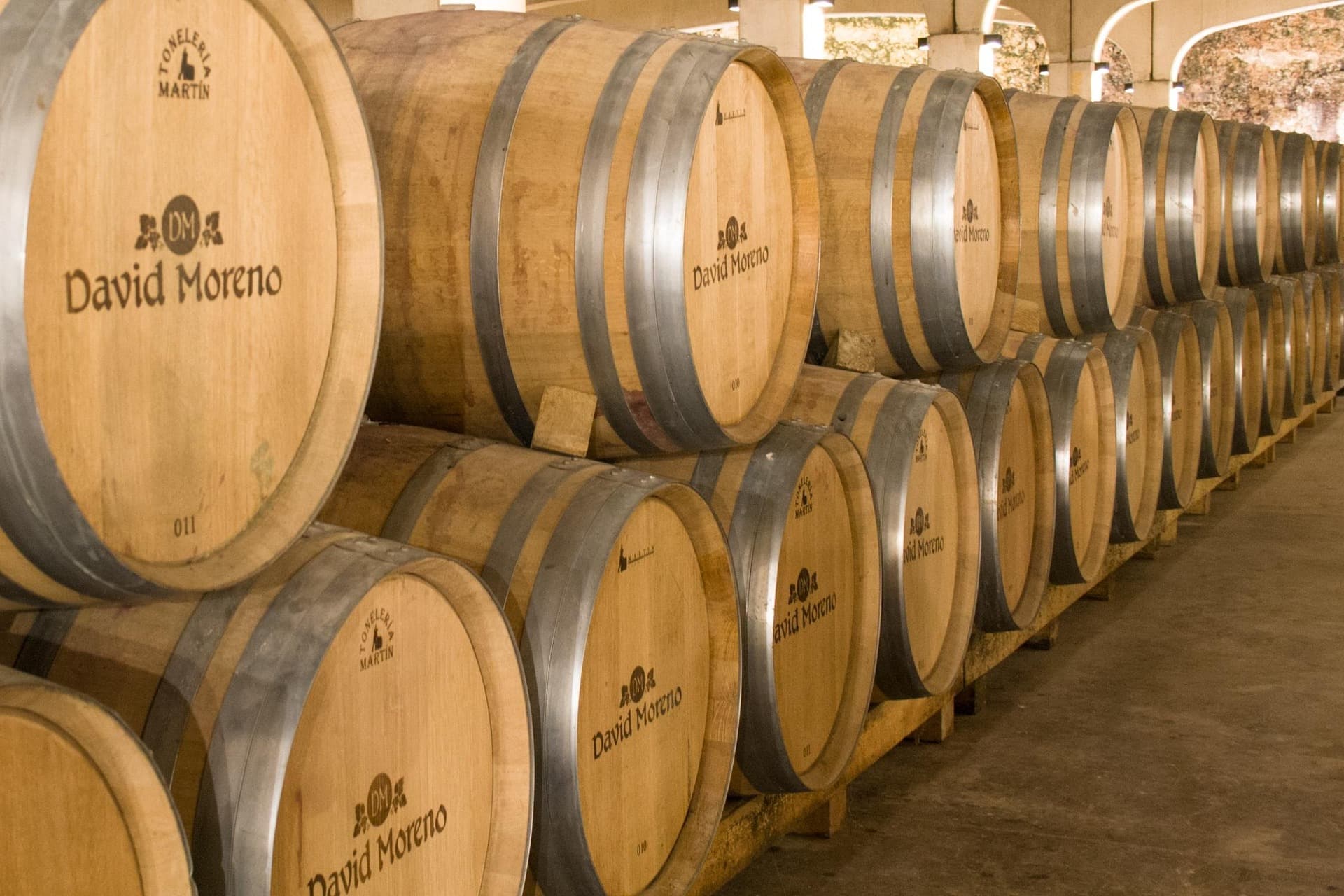
Haro's Barrio de la Estación is a row of historic bodegas along the railway, built when the wine left town by train. López de Heredia, CVNE, La Rioja Alta, and their neighbors are not a mall you wander. You book the one you are going to, you arrive on time, and you stay for the cellar and a seated taste, often the better part of an hour and a half if the visit is any good. López de Heredia's gatehouse shop, the pavilion Zaha Hadid added at the street, is worth looking at even before you go in. The cellars behind it are the point. Two of these visits in a day, if they are next door to each other and you have a gap for lunch, is the maximum that still feels like tasting. A third, in town, after a heavy lunch, is usually a mistake.
Haro at night is quieter than Logroño. Stay there if the station quarter is the morning and you want a short walk to the door. Stay in Logroño if the pincho street is the memory you came to make, and drive to Haro in the morning with someone else at the wheel. The old center of Haro is pleasant and small. It will not entertain you until midnight, and it does not need to. A good bottle at dinner, early by Madrid standards and correct by local ones, and a sleep, will set up Laguardia better than a second crawl.
Laguardia, and the building you can see from the road
Laguardia is the village we would sleep in if we had to pick a single picture of Rioja Alavesa. It is walled. The church of Santa María de los Reyes keeps a carved portal that is often shown on a short timed visit — check that day, because the door is not standing open for you at all hours. Under the houses, some bodegas run in cellars that are literally below the street. The walk on the walls looks north to the Sierra de Cantabria and south over vines toward the Ebro. Park in the lots outside the gates. The lanes inside are stone, tight, and full of people who live there. A rental car in those lanes after a tasting is the mistake we will not help you make.
Elciego, a short drive away, is where Frank Gehry's Marqués de Riscal hotel sits in a knot of titanium and colored metal above the bodega. It is a landmark. You can see it from the road and from the edge of the village, and that look is free and is enough for many trips. A meal inside is a splurge and a reservation, not a requirement and not something you invent at 1:30 p.m. because you are passing. If you book it, book it, and let that be the serious table of the trip. If you do not, eat lamb in the village and spend the difference on a bottle you will finish. The building does not get better because you forced a lunch you had not planned. Labastida and the smaller hamlets nearby are for a slow hour. They are not a fourth tasting.
- Night one in Logroño, one pincho street, toothpicks kept until you pay.
- A morning visit in the Haro station quarter, booked by name.
- Laguardia for the walls and a second tasting or a cellar under the village, then lunch.
- Chuletillas al sarmiento — lamb chops over vine cuttings — if it is on the grill.
- A driver from the first pour to the hotel door. The village lanes are not a place to be clever.
Two nights in one Rioja base beat three one-night hops. Ribera gets its own hotel on a longer wine trip.
| Base | Best for | Weak at |
|---|---|---|
| Logroño | Calle Laurel and Calle San Juan at night | A quiet village morning |
| Haro | Booked bodegas in the station quarter | A late, busy food crawl |
| Laguardia | Walls, vine views, sleeping inside a village | Driving through the gates after tasting |
| Elciego | Seeing the Gehry building; a splurge meal if booked | A casual walk-in at lunch |
| Peñafiel or Aranda | Ribera del Duero, on its own day | A same-afternoon add-on to Rioja |
What the back label actually means
For red Rioja, the aging words are rules, not medals. A crianza has spent at least two years aging, with at least one of those years in oak. A reserva has spent at least three years, with at least one in oak. A gran reserva has spent at least five, with at least two in oak. A joven is the young wine, little or no barrel, and in parts of Alavesa it is the bright purple one. A careful crianza from a bodega that paid attention can be the bottle you want with lunch. A gran reserva from a tired vintage can be a long, fading glass. Ask what they are proud of with food. Do not ask for the oldest thing on the list and assume you have ordered quality.
Say this in plain language at the table and then stop. You are not being examined. If you like the fruit and the freshness, say so and stay with the younger wine through lunch. If you like the cedar and the dried cherry of a reserva, drink that and skip the lineup of everything else. Eight tastings in a day is a drinking game. Two, with a walk and a lamb lunch between them, is a wine trip. We book the visits because the good doors are not open to a knock at five minutes to close, and because harvest — September and October — is when the cellar team is on the sorting table. The vineyards look their best. The bodega is busier, and sometimes closed to casual visitors, exactly when the photographs are most tempting. Book tighter in those weeks, not looser. Tractors on the small roads are part of the atmosphere and part of the reason you do not rush a village lane.
"If you are swallowing the wine, you are a passenger. The legal limit does not care that you spat the third sample."— Spain 360, on a Rioja day
Ribera is a different day
Ribera del Duero runs along the Duero east of Valladolid, through Peñafiel and Aranda de Duero. Peñafiel's castle, long as a ship on the ridge, holds a wine museum, and the view down the river is the reason to climb even if you do not read every panel. Aranda is a working wine town with a roast-lamb lunch culture, lechazo in wood-fired ovens, which is a midday meal you sit down for and do not follow with a long tasting. The limestone villages and the bigger modern bodegas need appointments the same way Rioja does. They are worth it. They are not a coda to Laguardia.
From Logroño or Laguardia to Peñafiel, budget a real drive, on the order of two hours before you have tasted anything, and more if you stop. Promising both regions in one afternoon is how both become a service area. The private wine week we run gives Ribera its own nights and Rioja its own nights, then uses Segovia as the Castilian city on the way back toward Madrid. That split is the trip. If you only have two nights, choose Rioja or choose Ribera. Laguardia plus a single Peñafiel lunch on the way to Madrid can work on a departure day if the lunch is the stop and nobody is pretending to tour a bodega afterward. It cannot work as 'both regions, properly.'
Getting there, and what to eat with the glass
Madrid to Logroño by road is about three to four hours, depending on how long it takes you to leave the capital and which valley you aim at. It is not a quick hop, and it is not a ninety-minute AVE. The train to Logroño exists and it is not a high-speed sprint; check the current Renfe time the week you travel, and assume you may be on an Alvia or a connection rather than a clock-watching shuttle. There is no train to Laguardia. If you arrive by rail you still need a car or a driver at Logroño. OUIGO and Iryo run some of the big Madrid corridors. They are not a shortcut into a vineyard lane. On a private trip we collect you. You book your own flight into Madrid, or you meet us there.
Eat the wine with the food it was made next to. Chuletillas al sarmiento, lamb chops grilled over vine cuttings, are the smell of a village lunch in Alavesa. Patatas a la riojana, a menestra, white asparagus in spring, a tomato with oil, a piece of local cheese: this is the table. Lunch, between about 2 and 4, is where a reserva makes sense. A late tasting menu after three bodegas does not. You will be tired, and the wine will blur. Do not drive the lanes afterward. Laguardia's arches were not designed for a careful three-point turn by someone who has been thorough. We send a driver on wine days for that reason. Private trips start at two guests. If you are in your own car, one of you is on water from the first stop, and that person does not 'just taste each one.' An International Driving Permit is a cheap backup beside a US license for the rental, and it does not change the limit.
A two-night Rioja stay
Night one, Logroño. You walk one street, you pay for the toothpicks, you sleep in the center. Morning, a booked bodega in Haro or a cellar in Laguardia, not both before lunch. Midday, lamb or a vegetable plate in the village, seated, unhurried. Afternoon, the walls of Laguardia, or a second visit if it was booked and if anyone still wants to smell wine. Night two in Laguardia so the morning is the village in quiet light, or back in Logroño if the train out is the constraint. Do not check out every morning. Three hotels in two nights is the small version of the mistake people make with the whole north.
Leave on the third day toward Madrid or toward Ribera, and resist the extra winery 'on the way' unless it is on the actual road and already booked. Harvest weeks are the most beautiful and the least casual. Summer is hot in the Ebro valley in a way that surprises people who think the north is always cool; Rioja is not San Sebastián. Winter is quiet, and some village kitchens keep shorter hours. The two-night shape works in all of those. What does not work is eight cellars and a night bus. You will remember the grill and the wall. You will not remember the sixth gran reserva.
Choose Logroño, Haro, or Laguardia and stay long enough to taste twice, eat once properly, and walk a wall. Read the aging words as a calendar. Leave Ribera on its own page of the trip. And if you are drinking, hand over the keys before you leave the parking lot outside the gates.
Plan Your Spain Trip
Talk with our Spain-based team about small-group departures, private itineraries, and straightforward travel from the US—we handle the details.
Contact UsRecommended Journey
Wine Country & Rural Retreats
Seven private days from Madrid through Ribera del Duero, then Haro and Laguardia, with Segovia at the end — each wine region on its own nights.
View the itineraryExpert's Tip
Crianza, reserva, and gran reserva are aging rules, not medals. Ask what the bodega likes with lamb chops. The oldest bottle on the list is a calendar, not a prize.
Get the Soul of Spain in Your Inbox
Join our curated list for exclusive travel stories, hidden jazz venues, and expert guides delivered once a month.