Valencia and the Mediterranean Coast
12 min read
Valencia is a city with a river that became a park, a market you should see in the morning, and a rice dish the rest of the world has misunderstood. You can walk the Ciutat Vella, eat a proper paella at lunch, and reach the City of Arts and Sciences along the old Turia riverbed without spending the day in taxis. You cannot do that and also 'nip down' to Altea for the evening. The Costa Blanca is a different hotel, a different morning, and on our Mediterranean trip it is the point of the days after Valencia, not a coda to the Lonja. Spain 360 — 360 Travel S.L., in Zaragoza — gives the city two nights when it is the start of a private coastal week. Flights are not included. The hotel is three to five stars, confirmed closer to travel, and it should be in the old town or a short walk from it.
The old town, the market, and the silk exchange
Start in the Ciutat Vella while you are still sharp. The cathedral claims a chalice as the Holy Grail; believe what you like, the chapel is small, and the building around it is the visit. The Miguelete — the Micalet — is the tower to climb if someone wants the roofscape and can face the steps. Plaza de la Virgen, with the fountain, and Plaza de la Reina are the squares that tie the morning together. None of this takes all day. It takes a focused morning before the heat, if it is summer, or before the market winds down, in any month.
The Mercado Central is a modernista iron hall, and it is a morning. Go when the stalls are open and the fish is still the point. Buy fruit if you want breakfast in your hand. Look at what people are actually buying. Do not schedule it for 4 p.m., when many counters have already closed, and do not treat it as a lunch restaurant. The Lonja de la Seda, the silk exchange next door in spirit and a short walk in fact, is the Gothic civil building we would keep if you only had patience for one monument that is not a church. The Sala de Contratación, with its twisted columns, is a UNESCO-listed room and a short visit. Go in if architecture is why you travel. Skip it without guilt if the group is already full of stone and would rather be at a horchatería. You are not failing Valencia by choosing the market and the glass of horchata over a second ticket.
Horchata, and then the riverbed
Horchata is the cold drink made from chufa, the tiger nut, and it belongs to this city in a way paella's imitators do not. Fartons are the long, sweet, soft breads you dip in it. Horchatería de Santa Catalina, near the market streets, is the old room people mean when they name one place; Daniel is the other historic counter. Go in the morning or the late afternoon. Do not substitute horchata for lunch, and do not skip it because it sounds like dessert. It is a pause, and in July it is also a rescue.
The Turia gardens are the old riverbed, emptied after the flood of 1957 and turned into a park that runs for kilometers. This is how you move from the old town toward the City of Arts and Sciences: on foot or by bike, under bridges, without the avenue traffic. Give it the better part of an hour with stops. It is the right approach to the white complex, better than a taxi to the door and a taxi back, because you arrive already understanding that Valencia is a city split by a garden. In summer the shade is the route. In winter the whole walk is pleasant at midday. Do not try to see the Bioparc at the far upstream end on the same stroll. That is a different park entrance and a different half day.
The City of Arts, one building and the outside
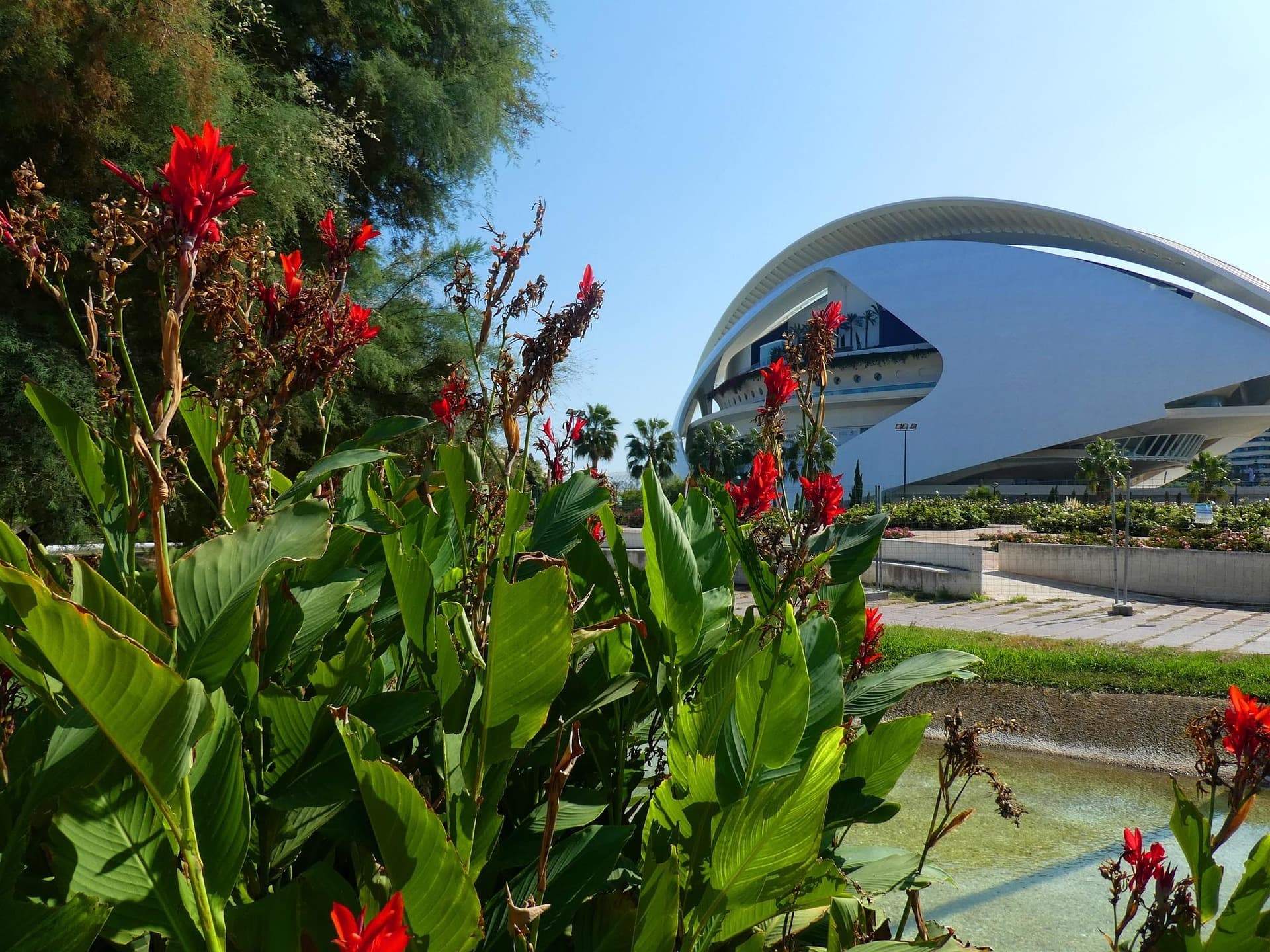
The City of Arts and Sciences is Santiago Calatrava's white complex at the mouth of the garden. It is worth the outside walk, especially in the late light, and it is worth one building. It is not automatically a whole day. L'Oceanogràfic is the aquarium, and with children who want it, it will eat the afternoon honestly — say so and buy the ticket. The science museum is the better single visit if you want a couple of hours and the architecture more than the fish. The Hemisfèric is the eye-shaped cinema. The Palau de les Arts is an opera house: go for a performance, not for a drop-in. If nobody is asking for the aquarium, walk the tiles, sit down, and leave the complex before you are glazed. Dusk is the photograph. Noon in August on the white plaza is a test.
Do not stack the Oceanogràfic, the Albufera, the beach, and the Lonja. Two of those are a day. The outside walk plus one ticket is the version that still leaves you able to enjoy dinner in the old town. Dinner should not be a second paella. Have a grill, a salad, all i pebre if you are out toward the lagoon and the eel stew is what the house actually fires, or any plate that is not rice. You already did rice at lunch. Repeating it at 10 p.m. because the menu says paella is how the city blurs into the dish you could have eaten badly anywhere.
Paella, said plainly
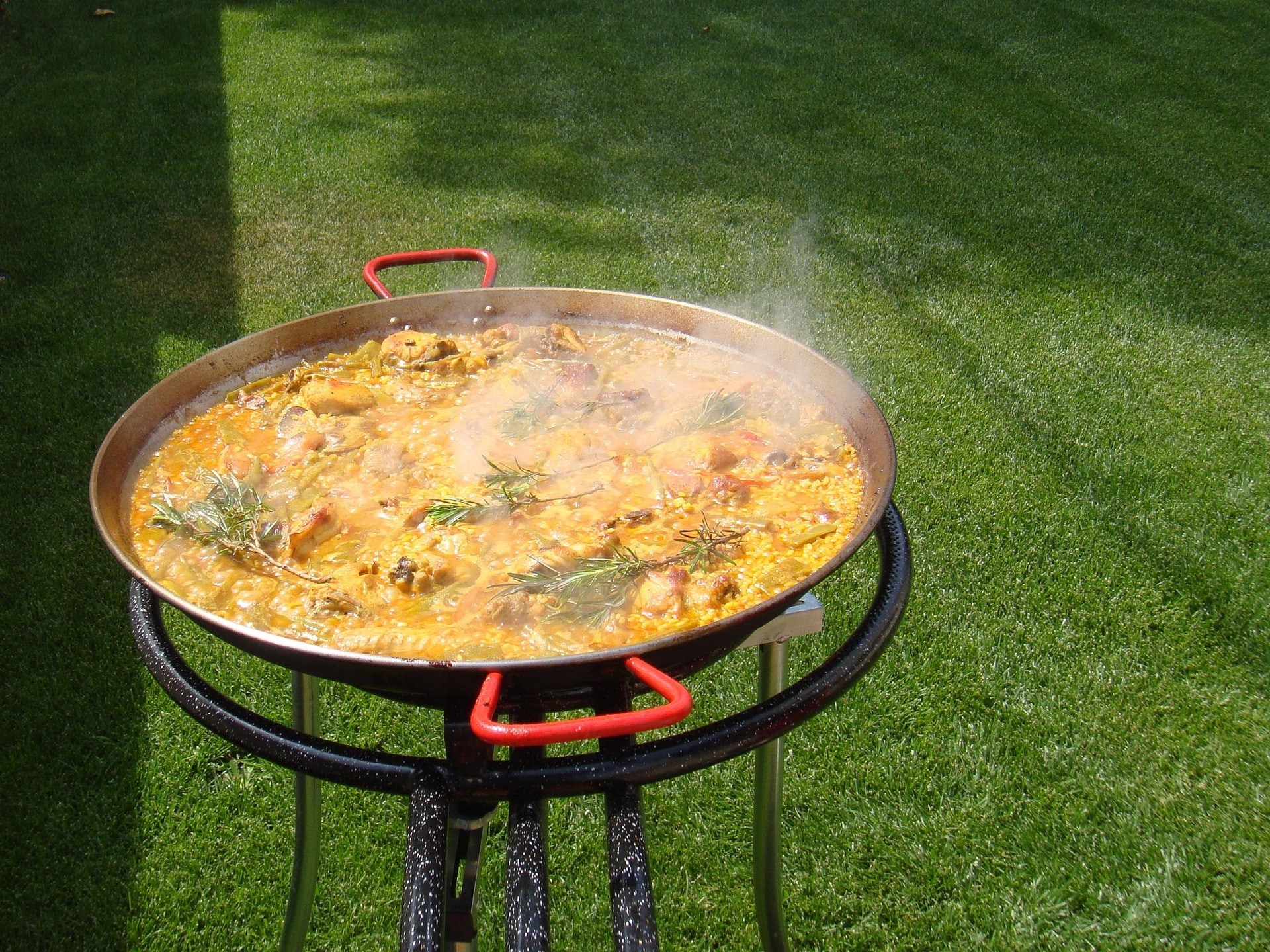
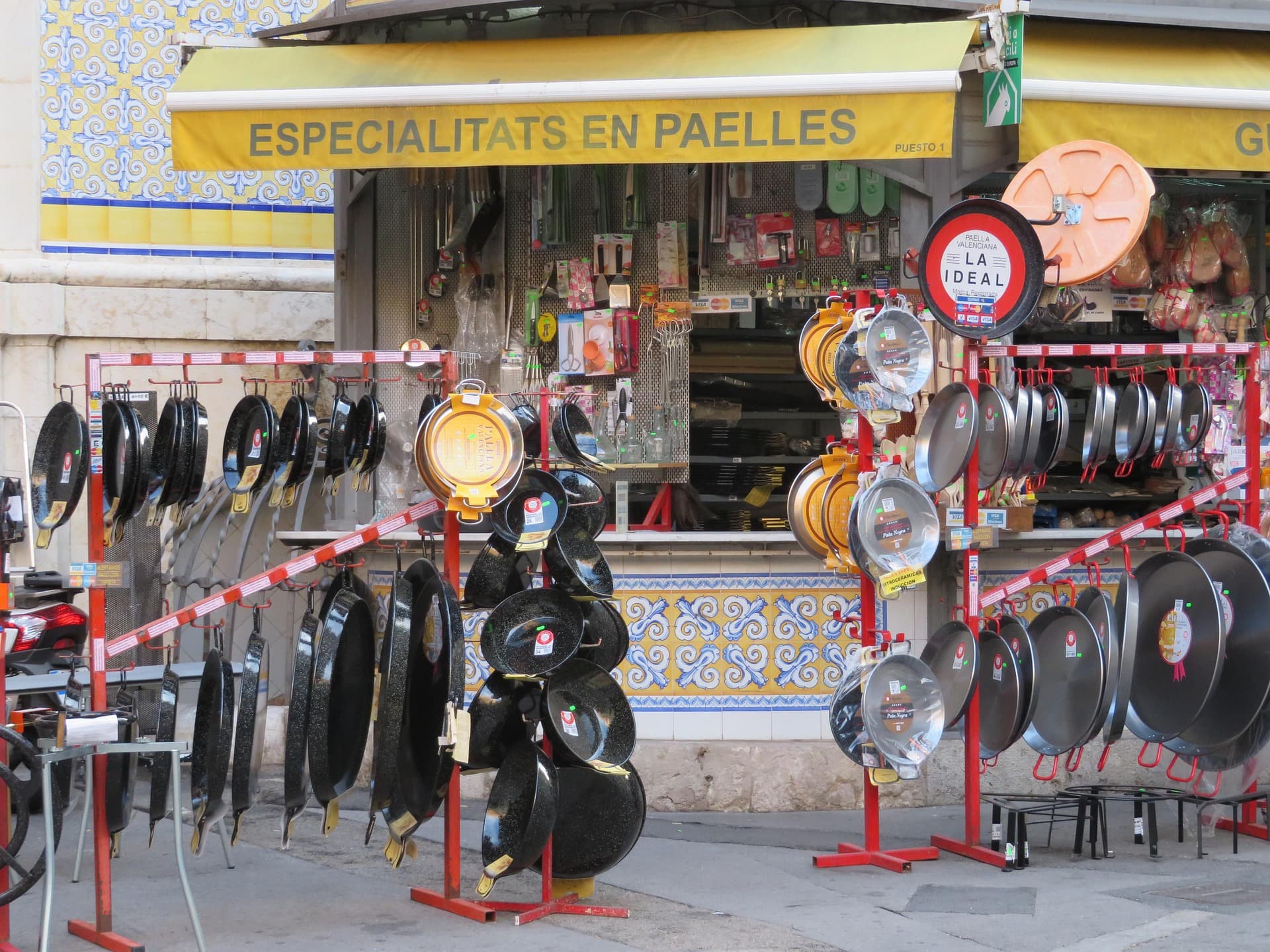
Paella is a Valencia lunch. The traditional one from the huerta and the Albufera villages is chicken, rabbit, sometimes snails, green beans, and garrofó, the local broad bean, with a rice that can take the heat. Saffron and rosemary show up. Seafood piled on a yellow ring is a different dish — a paella de marisco or an arroz that should be allowed to have its own name. Eat that if you want it and the kitchen is honest about it. Do not call it the Valencian paella, and do not accept chorizo in the pan as a charming variant. A place that brings a mixed seafood paella in eight minutes at 12:15, from a picture menu in four languages, is selling a reheated idea of the dish. A place that asks you to reserve, seats you after 1:30, and makes you wait while the rice cooks, is closer to the thing.
The socarrat, the crust stuck to the bottom, is a good sign when it tastes toasted and not burnt. You will not get it from a pan that has been sitting. Go to a house in the city that locals use at lunch, or go to El Palmar, the village on the Albufera, and make the lagoon the afternoon. Either is correct. Both on the same day is a lot of rice. We book the table on a private trip because the rooms that bother are full on weekends and during Fallas. If you are on your own, reserve, show up hungry, and do not ask them to cook it for one person at 9:30. The pan does not work that way, and the hour is wrong.
- Mercado Central in the morning, then the Lonja if you still want a building.
- Horchata and fartons as a pause, not as the meal.
- Paella at a reserved lunch, chicken and rabbit if you want the traditional pan.
- The Turia gardens as the walk toward the City of Arts, with one ticket or none.
- Albufera and El Palmar on the other day, if the rice fields matter more than the aquarium.
Two nights in Valencia cover the city. The coast south is a new hotel. Confirm whether your AVE arrives at Joaquín Sorolla or València Nord.
| Block | Use it for | Do not bolt on |
|---|---|---|
| Morning in the Ciutat Vella | Cathedral, market, Lonja or horchata | A 4 p.m. arrival at a closed fish stall |
| Lunch | Paella, reserved, after 1:30 | A seafood picture-menu pan at noon, or paella again at night |
| Late afternoon | Turia walk and the outside of the white complex | Oceanogràfic plus a lagoon boat plus the beach |
| Second day | Albufera and El Palmar, or the aquarium if children vote | A same-evening drive to Altea |
| If the sea is the point | A night on the Costa Blanca, in Altea or nearby | Malvarrosa as a substitute for that trip |
The lagoon in the afternoon, the beach if you still want water
The Albufera is the freshwater lagoon south of the city, wrapped in rice fields that are the reason the paella exists. El Palmar is the village where the lunch and the boats meet. A barca ride is a simple loop, polled or motored depending on the boat, and it is worth it when the light is low and the fields are the point. It is a poor use of a scorching noon if you have already walked the Turia. Pair the lagoon with lunch. Do not pair it with a full aquarium. If the rice fields do not interest anyone, skip them and say so. Valencia is still a city without the boat.
Malvarrosa and Las Arenas are the city beaches, easy by tram, a swim if the day is hot and the museum did not eat it. They are not the point of Valencia. A Tuesday afternoon on Malvarrosa is a pleasure and a weak itinerary. If the trip is about the sea — coves, a white town, a slower coastal week — you want the Costa Blanca, and you want to sleep there. The beach in the city is what you do when the children are done with tiles and concrete and still want salt water before dinner. Dinner, again, after 8:30 or 9, in the old town, not on a towel.
"A paella that is ready when you walk in at noon is a pan, not a lunch. Wait for the one they cook after you sit down."— Spain 360, on Valencia
Fallas, if you meant to be there
Fallas builds through mid-March and climaxes on the night of 19 March, the Cremà, when the monuments burn. In the days before, the mascletà — the daytime firework barrage in the Plaza del Ayuntamiento — goes off around 2 in the afternoon, which is a thrilling collision with lunch. The city is loud, smoky, crowded, and wonderful if the festival is why you came. Hotels go early. Museums and quiet meals get harder. Book the week on purpose or avoid it if you wanted the Lonja in peace and a paella you can hear yourself order. You can like Fallas and still admit it is a bad surprise for a person who came to look at Gothic columns.
The rest of the year is easier, and still not empty in October or at Easter. August is hot in a Mediterranean way, softer than Seville and still a reason to take the garden walk in the morning and the late evening. November can be bright and local. We would rather put a first Valencia visit on an ordinary week than on the 19th unless you have asked for the fire. Private trips start at two guests. A small-group cap, when we use one elsewhere, is twelve, which is a crowd in a small dining room at El Palmar and a reason to book ahead even in a quiet month.
The train from Madrid, and the coast that is not tonight
The AVE from Madrid takes about an hour and forty-five minutes. That part is simple. The station is not. Some trains arrive at València Joaquín Sorolla, the newer station, a bit south of the center, and some use València Nord, the ornate Estació del Nord, which is the walkable one near the old town. They are not the same building. Read the ticket before you tell a taxi driver 'the AVE station.' OUIGO and Iryo also run on this corridor on some days, with their own baggage habits and sometimes their own platform logic. Confirm the current operator and the station the week you travel. We will not invent a frequency. If we are meeting you, we need the train number, not a guess.
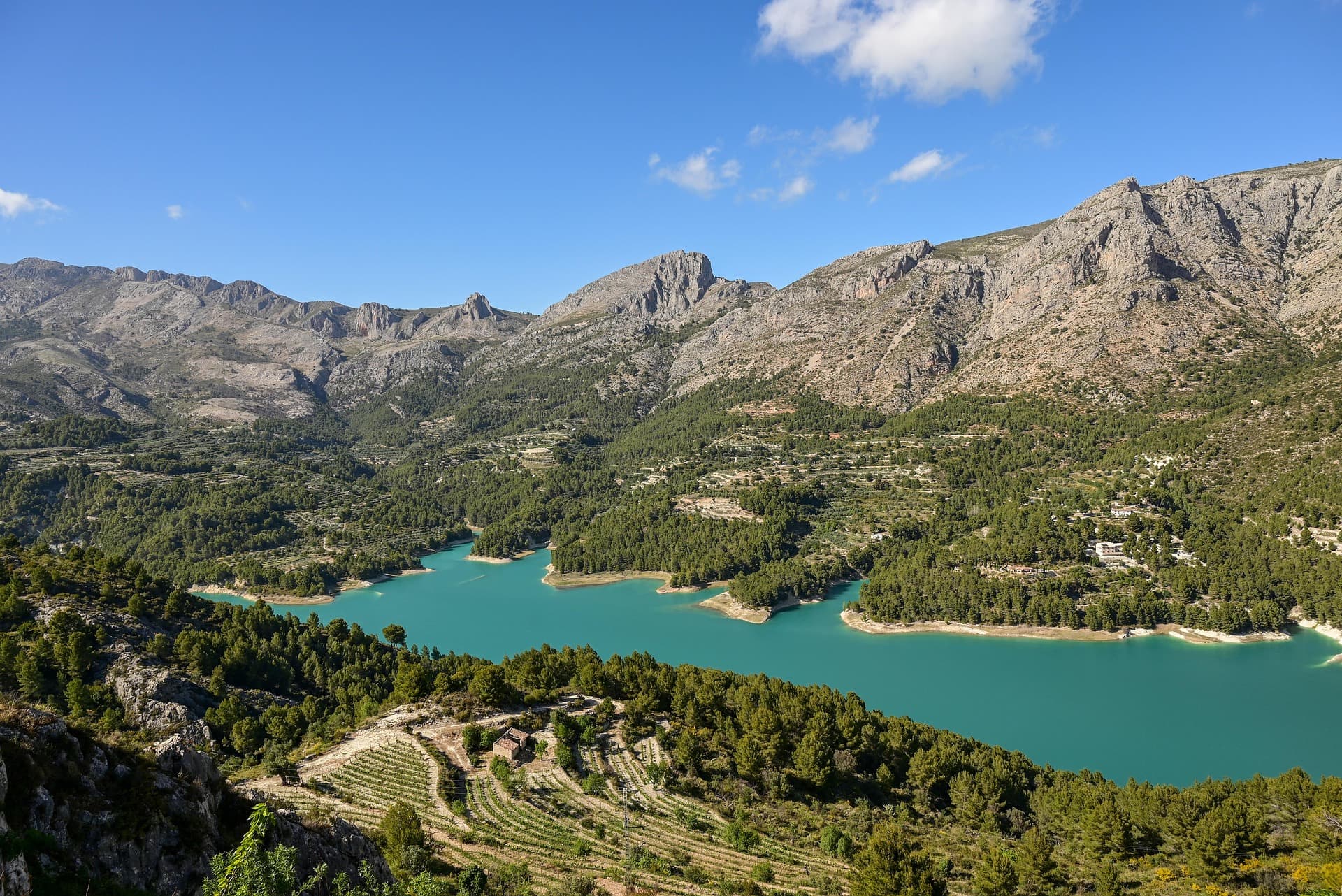
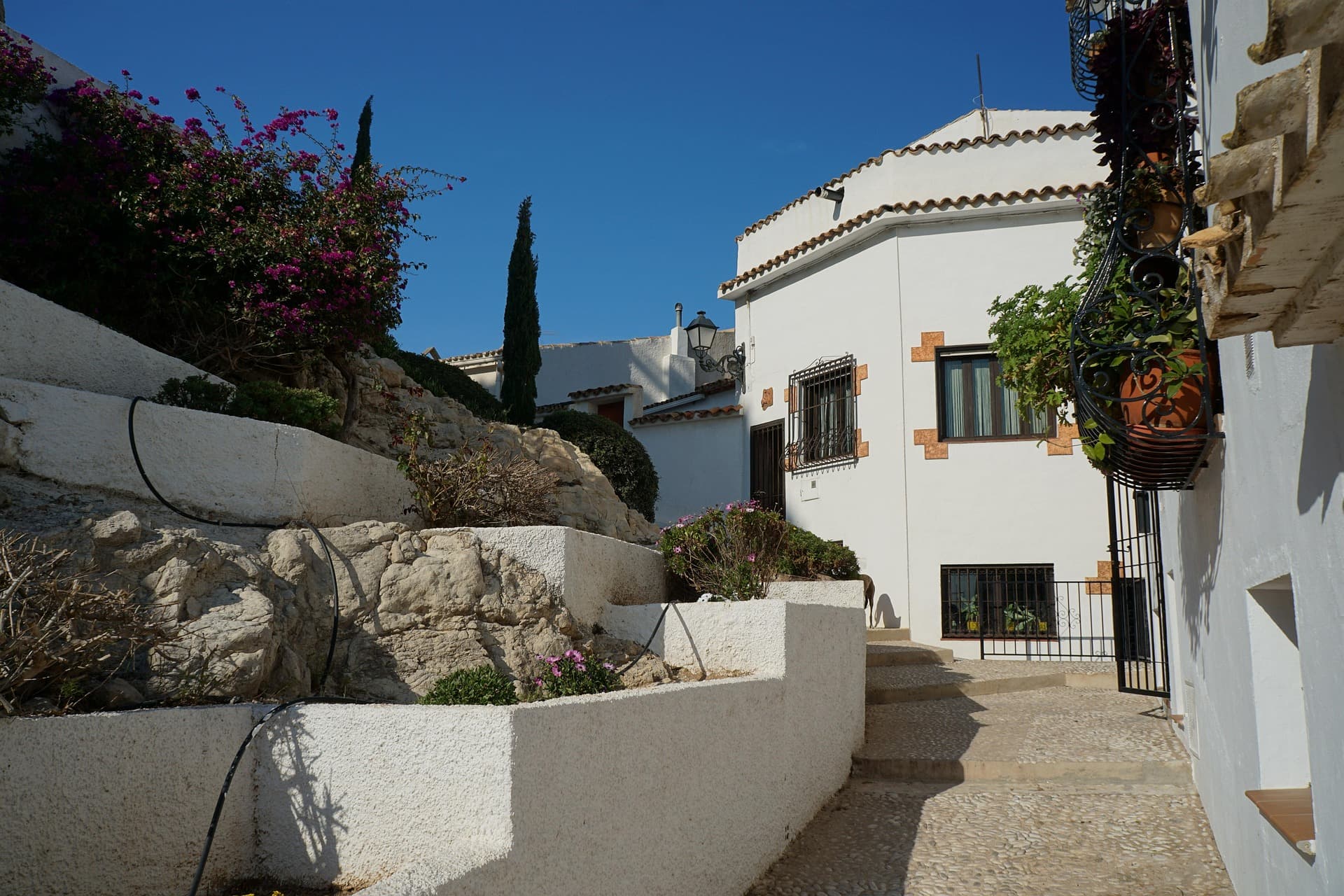
Altea, on the Costa Blanca, is the white town with the blue-domed church of Nuestra Señora del Consuelo above the beach. Alicante's castle of Santa Bárbara is the rock above the other city. Both are worth a slow private week. Neither is a Valencia evening. Plan on the better part of two hours by road, longer on a summer Saturday, and then you have arrived at dinnertime having seen a motorway. Sleep on the coast if the coast is the point. Sleep in Valencia if the market and the paella are the point. The ten-day Mediterranean itinerary does the handoff properly: Valencia nights first, then Altea and the coast south, Cabo de Gata and on toward Málaga, so you are not commuting. You book the flights. We do not drive you into the old-town lanes. Park outside, or do not bring the car in. Right-hand traffic on the AP-7 if you are the one going south, and assume an autopista may be tolled. An International Driving Permit remains a cheap backup beside a US license.
Two days, written down
Day one: market at opening, Lonja or the cathedral, horchata, paella at 2, a walk down the Turia toward the white complex, the outside light, one building only if someone still wants a ticket, dinner in the old town that is not rice. Day two: Albufera and lunch in El Palmar, with a boat if the weather is decent, and a beach hour only if the group still wants water. If the vote is children and fish, swap day two for the Oceanogràfic and let the lagoon go. Do not do both and call the day relaxed. A third night is for Fallas, or for people who walk slowly and like a city. It is not the night you use to touch Altea and come back.
That is the Valencia we would book for ourselves. The rice at lunch, the garden as a street, the coast as the next hotel rather than the next idea. Two days is enough for the city. It is not enough for the city and the whole Mediterranean, which is why the longer trip exists and why a single evening transfer does not.
See the market before it closes, eat the chicken-and-rabbit paella at lunch, and walk the old river to the white buildings. Leave Altea for a night of its own. Valencia is a city that feeds you at 2:30. Let it.
Plan Your Spain Trip
Talk with our Spain-based team about small-group departures, private itineraries, and straightforward travel from the US—we handle the details.
Contact UsRecommended Journey
Mediterranean Coastline Explorer
Ten private days from Valencia down the Costa Blanca and Altea toward Cabo de Gata, Almería, and Málaga, with nights on the coast instead of a same-day commute.
View the itineraryExpert's Tip
Eat paella at lunch, and be suspicious of a pan that appears at noon from a picture menu. The traditional Valencian one is chicken and rabbit. It is cooked to order, and it is not a dinner.
Get the Soul of Spain in Your Inbox
Join our curated list for exclusive travel stories, hidden jazz venues, and expert guides delivered once a month.