How to Plan a First Trip to Spain
12 min read
If this is your first trip to Spain, the choice that matters is how many mornings you are willing to spend watching a departure board. The country is wide, lunch runs long, and the two tickets that truly sell out — a timed entry to the Nasrid Palaces in Granada and a morning slot at the Sagrada Família — do not care that you also wanted pintxos in San Sebastián. Spain 360 is the travel name of 360 Travel S.L., based in Zaragoza. We plan trips that keep one long move in a day and give the rest of that day to a city. Flights are not included. Most itineraries start at Madrid-Barajas. Some start at Barcelona. The hotel is a 3- to 5-star property, and we confirm the exact building closer to departure, once the timed tickets are actually holding. This piece is about the shape of the days. Passport validity, the 90-day Schengen stay, and the fact that ETIAS is not open for applications as of October 2026 belong to the US-citizens briefing beside this one.
How many days you actually have
Count nights in hotels, not cities on a wish list. A week on the ground is often six nights if you land in the morning and fly home on the seventh day. That is enough for one region done properly. It is a poor container for a greatest-hits loop. Ten days, which on our private Grand Spanish Highlights means ten days and nine nights, is the first length at which Madrid, Andalusia, and Barcelona can share a trip without the middle city becoming a platform with a suitcase. Fourteen days is where you stop apologizing to the place you shorted. Twenty-one days is a different product: the small-group Grand Tour of Spain runs north to south in three weeks, capped at twelve guests, and it exists so you do not have to pretend Seville and Santiago belong in the same long weekend.
Arrival day is not a museum day. A transatlantic flight into Barajas that lands after lunch has earned a taxi to the hotel, a walk if your legs still work, and dinner after 8:30 or 9 if you want a kitchen that is actually open for the meal. We would rather you land the day before a small-group departure than walk into a 9 a.m. Prado entrance from baggage claim. Private trips can absorb a late inbound more easily, because the car is yours. They still cannot invent an alert traveler. If the only sensible flight gets in at 10 p.m., the first real day starts the next morning.
One region, or a loop you can survive
A one-region first trip is the one people enjoy more and brag about less. Andalusia alone, with Madrid or Málaga as the airport, gives you Seville, Córdoba, and Granada at a human pace. Central Spain alone — Madrid, Toledo, Segovia, Salamanca — is a week of stone, roast lamb, and short hops, and it is its own itinerary, Gems of Central Spain, rather than a prelude you bolt onto the Alhambra. The north alone, Bilbao or Santiago in and out, is the summer trip when inland Andalusia is over 40°C. Pick the region whose month you can stand. Then stop adding names.
A greatest-hits loop is legitimate when the length matches the map. Madrid to Seville on the AVE is about two and a half hours. Madrid to Barcelona is about two and a half hours. Madrid to Valencia is about an hour and forty-five minutes. OUIGO and Iryo run some of those same corridors, alongside Renfe, and the cheap seats go first, but the geography does not shrink because a second operator exists. Córdoba sits on the Madrid–Seville high-speed line, about forty-five to fifty minutes from Santa Justa and about an hour and forty-five from Atocha. Granada does not. The road from Córdoba to Granada is a little over two hours, and the train is a connection to confirm, not a 45-minute hop you can treat like the Avant. Every time a loop jumps off that high-speed spine, you spend a half day in a car or on a platform. Budget the jump. Do not schedule a monument on both ends of it.
A sane seven-day Andalusia
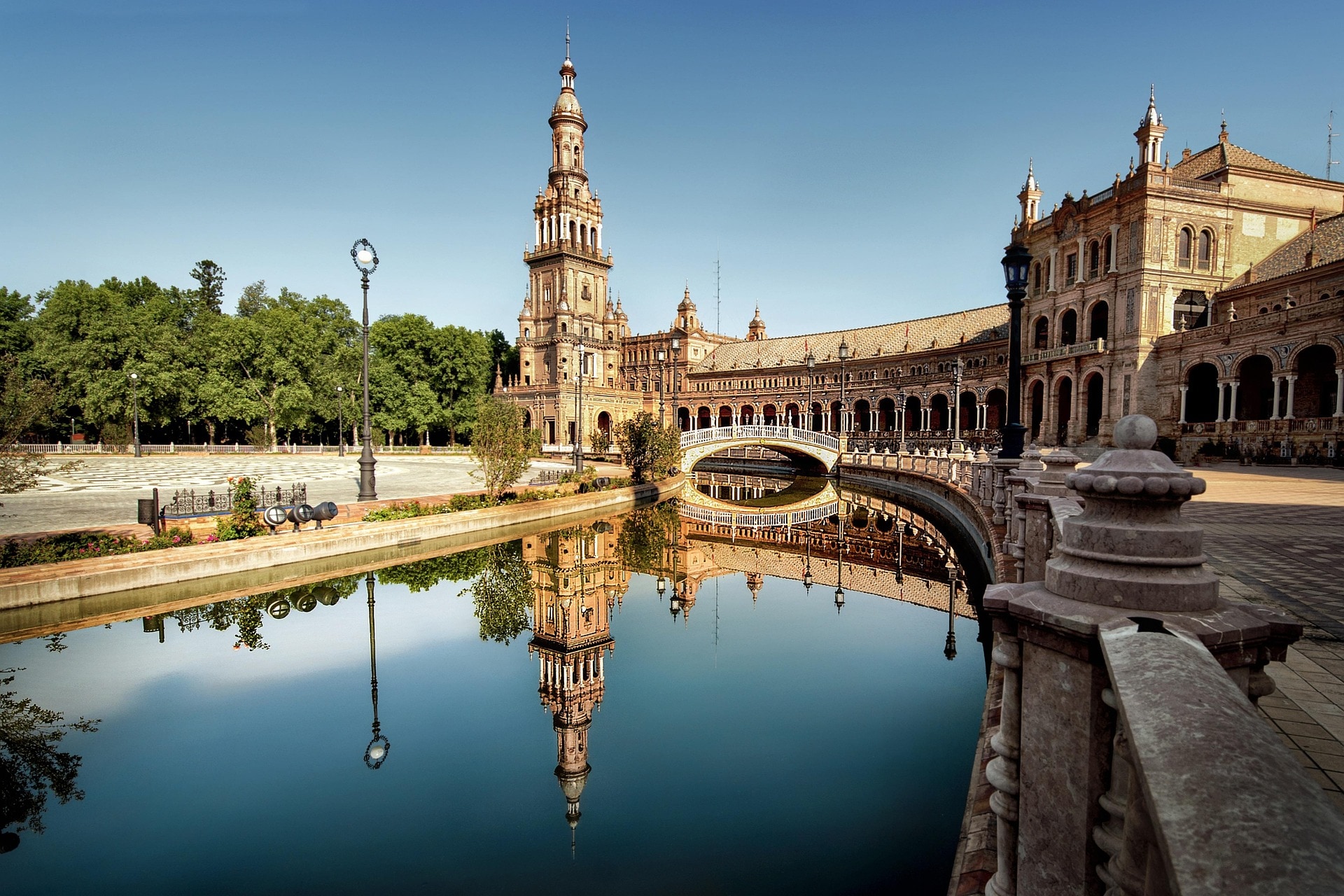
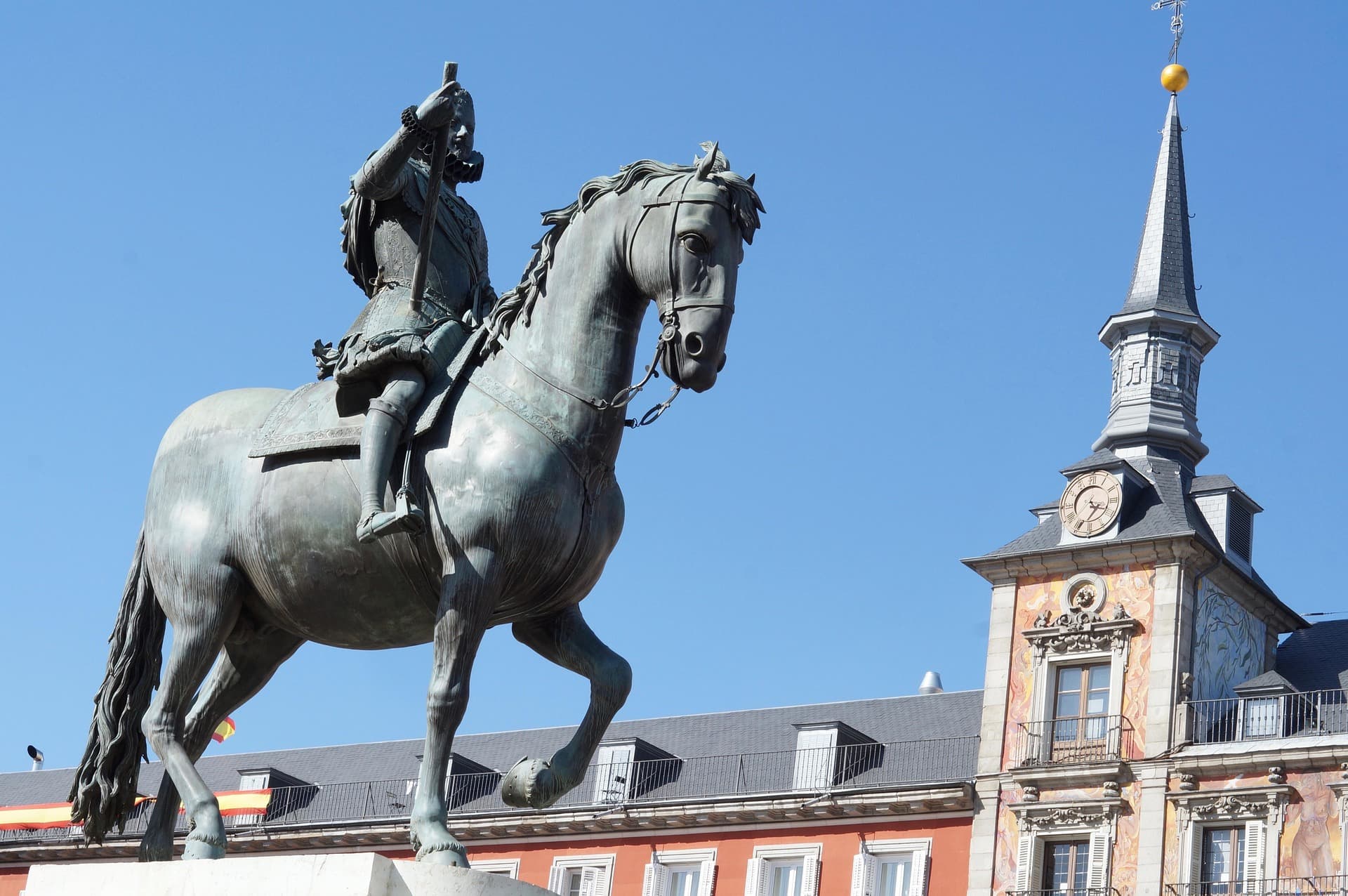
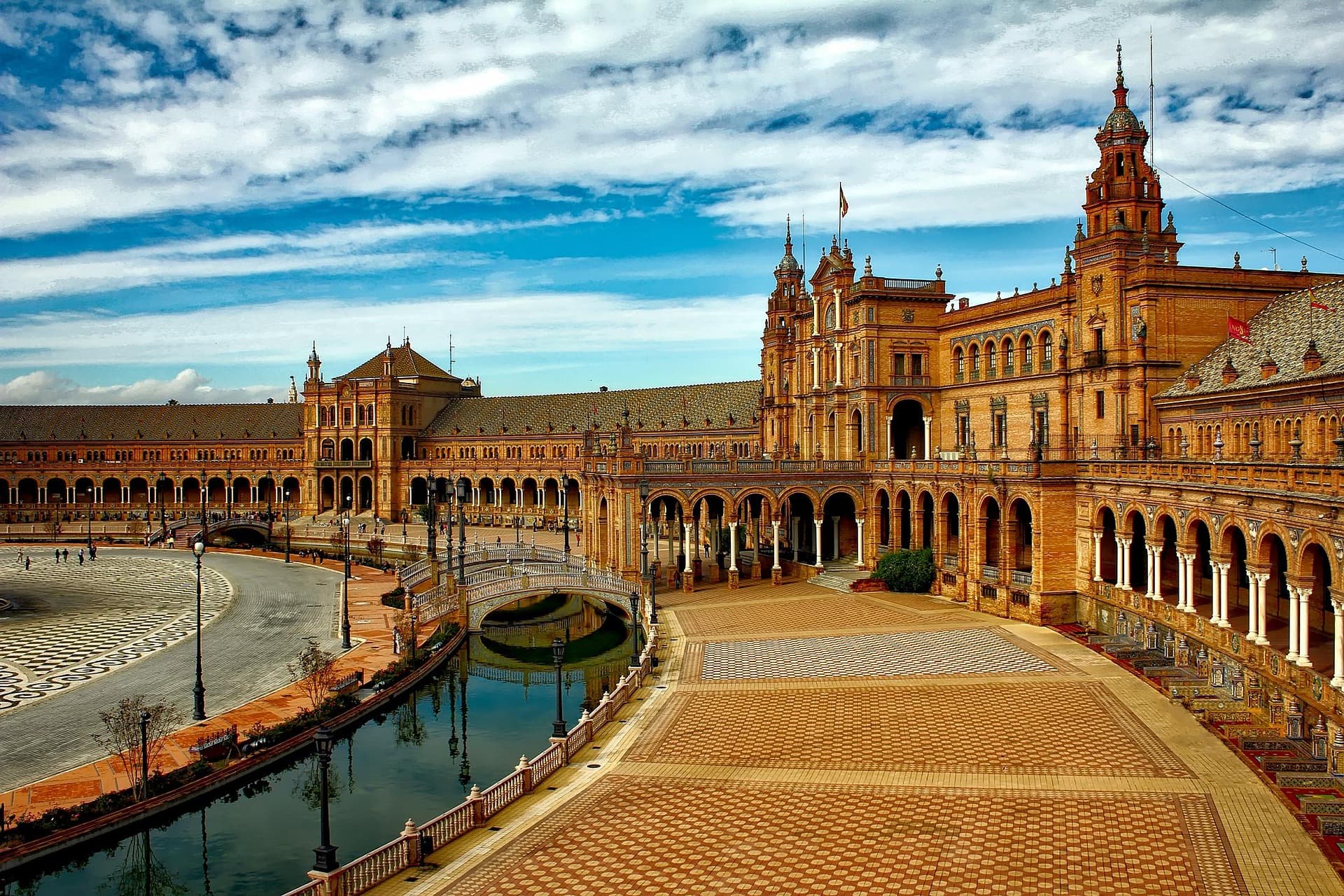
Seven days can hold Andalusia if you enter and leave through Madrid or through Málaga, and if Barcelona is not on the page at all. The Madrid version we will actually defend looks like this. Day 1: land at Barajas, sleep in Madrid, walk as far as Plaza Mayor if you want air, and do not buy a Prado ticket for a brain that crossed an ocean that morning. Day 2: morning AVE from Puerta de Atocha to Seville, about two and a half hours, into Santa Justa. The afternoon is Santa Cruz on foot, from the cathedral quarter down to the river, and across the Isabel II bridge into Triana only if you still want dinner. Day 3: Seville properly. Alcázar at the opening slot you booked, a long lunch between about 2 and 4, Plaza de España and María Luisa when the light is lower. Not Itálica on the same morning.
Day 4 is the hinge, and it is where homemade itineraries break. Leave Seville on an early Avant or AVE for Córdoba, about forty-five to fifty minutes. Be at the Mezquita-Catedral when it opens, walk the hypostyle hall rather than only the bright central nave, and eat salmorejo in the old center. Then move to Granada. By road that is a little over two hours; by train, confirm the day’s connection before you promise yourself a sunset in the Albaicín. Sleep in Granada. Do not tour the Alhambra on the day you also toured the Mezquita. Day 5 belongs to the Nasrid Palaces at the time printed on the patronato ticket, then the Generalife, then a quiet afternoon. Day 6 is a second Granada morning — Capilla Real if you want Isabel and Fernando, a walk on Carrera del Darro — and only then the long return toward Madrid, AVE in the rough range of three to three and a half hours, which you must confirm before you book a same-night flight out of Barajas. Day 7 is the flight. If Day 6 cannot both be a Granada morning and a Madrid night, you do not have seven days. You have a wish.
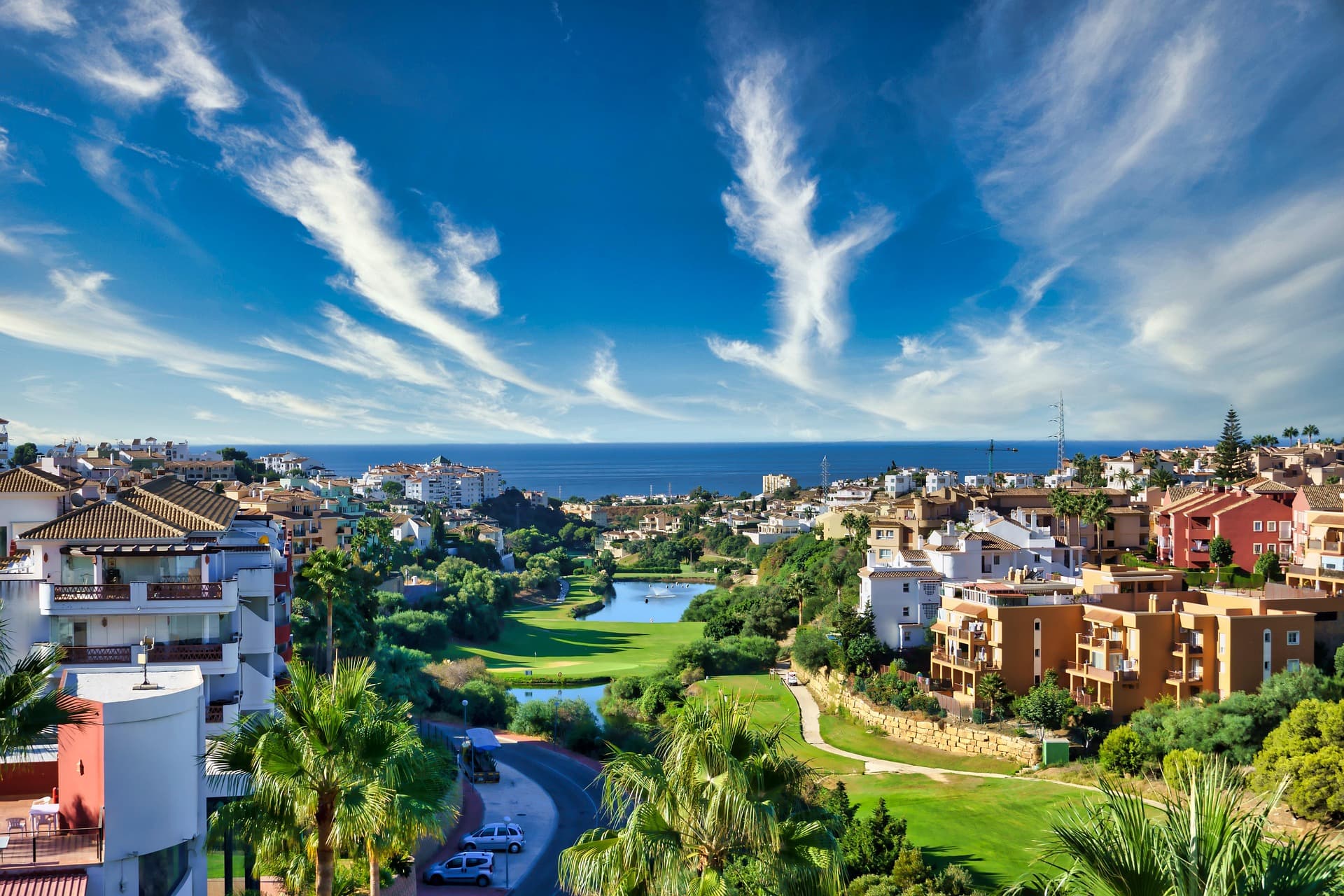
The Málaga version spends the same cities in a different order and often feels less rushed at the end, because you are not racing back to the Meseta for a morning bank of transatlantic departures. Land at Málaga, transfer to Seville — about two hours by AVE, confirm it — keep two nights in Seville, give Córdoba its morning, sleep two nights in Granada for the palaces, and return to the coast for the flight. Ronda and the white villages are not a free extra on this week. They are the reason to choose the private Classic Andalusia shape instead, which trades a Madrid museum day for the road through Ronda. Southern Spain Express, the seven-day small-group trip, is the Madrid-in, Seville, Córdoba, Granada, Málaga-out version with the cuts already made and a cap of twelve guests.
What ten days can add
Ten days can add Toledo and a slower Granada, or they can add Barcelona. They cannot add both of those impulses and the north. Version A, if Barcelona is not the point: a night and a full day in Madrid; a Toledo day by train, about half an hour to the station outside the walls, then a bus or taxi up, and you do not drive a rental into the old town; two nights in Seville; a night in Córdoba so the Mezquita is not a sprint before a transfer; two or three nights in Granada so the Alhambra is one morning and the Albaicín is its own evening; then back to Madrid to fly. If you also want Toledo’s synagogues and Barcelona’s Eixample, Córdoba is the night that usually dies, and we would rather drop Toledo than turn the Mezquita into a forty-minute dash between trains.
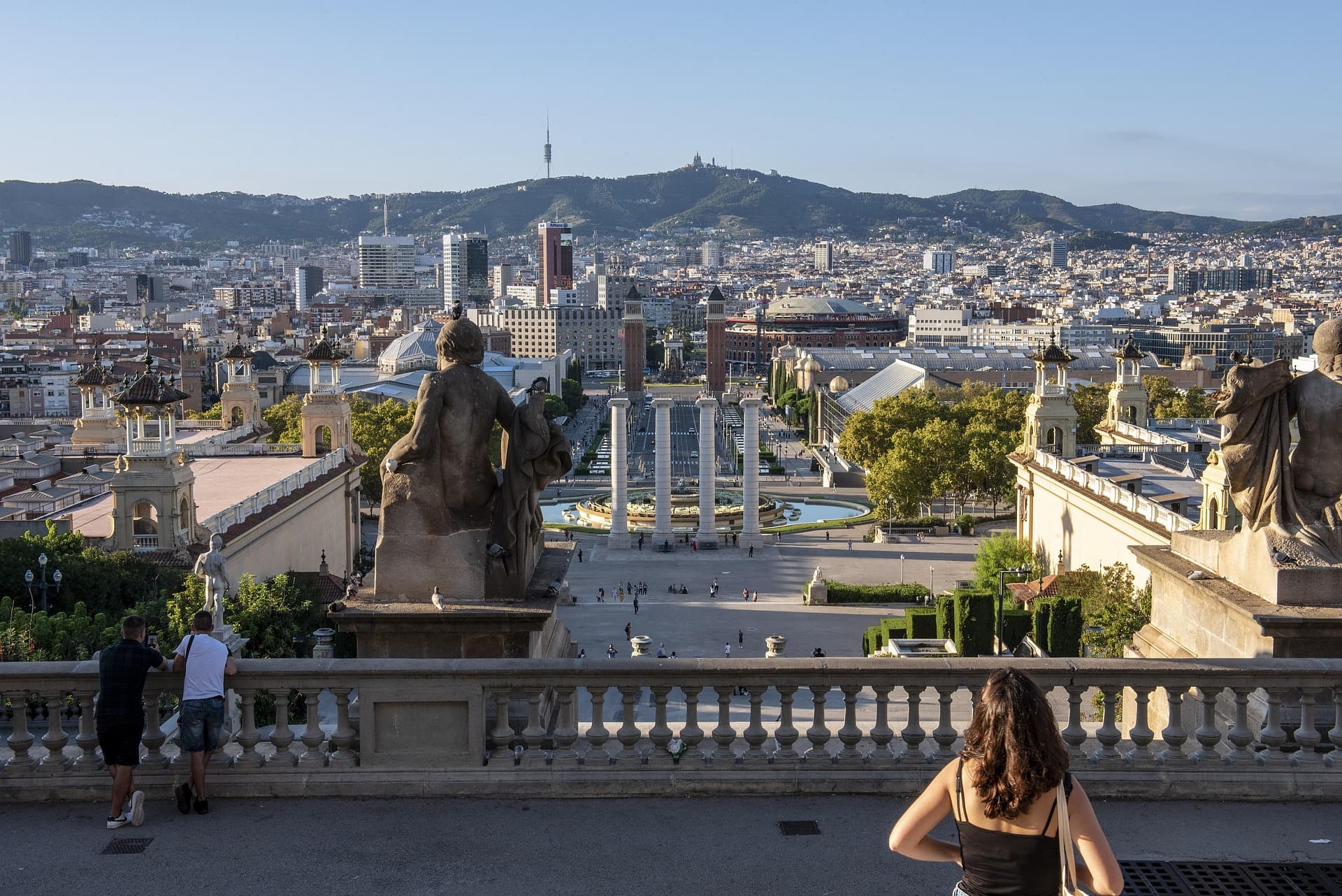
Version B is the highlights loop our ten-day private trip already runs: Madrid, Seville, Córdoba, Granada, Barcelona. You finish with two nights in Barcelona, which is the minimum if the Sagrada Família is on the list. Toledo comes off this version, or it shrinks to a hurried morning before the AVE south. Valencia can replace Barcelona if a proper paella at lunch — traditionally chicken and rabbit, eaten in Valencia in the middle of the day — matters more to you than Gaudí. You do not stack Valencia, Barcelona, Toledo, and a white-village drive on the same ten days.
Fourteen days, and the trip you are not on
Fourteen days is the first length at which we stop making you choose quite so brutally, and even then the north stays a second trip if the south is the spine. A shape that works: two nights Madrid, including a real Prado morning and a Toledo day that returns to Madrid rather than a fantasy of “Toledo on the way to Seville”; two or three nights Seville; a night in Córdoba; three nights Granada, so one day is the palaces, one day is the Albaicín and the Capilla Real, and one day can be a long lunch without a suitcase; then either a white-village drive or a rail day to Valencia; then two or three nights Barcelona. One long transfer each day. No day that contains both a Nasrid Palace slot and a Sagrada slot. Those buildings are in different parts of the country.
Fourteen days still does not include Mallorca, a walking week on the Camino, and a bodega crawl through Haro. If your draft has Seville on day 3 and a ferry to the Balearics on day 6, you are planning two holidays and a lost afternoon at a port. Islands need their own flights and their own pace. A Camino needs boots and a single direction. Rioja needs a car you are happy to park after lunch, and a week in which nobody is due at the Alhambra at 8:30 the next morning. Hold those for the second trip, when you already know whether you like Spain in April or in October.
Why Madrid, Barcelona, Seville, and San Sebastián fail in eight days
The failed week has a clean sales pitch and a miserable middle. Day 1 Madrid. Day 2 AVE to Barcelona, two and a half hours, then a Gaudí ticket you are too hurried to enjoy. Day 3 Barcelona, which is the one day there that almost works. Day 4 Barcelona to Seville. There is no two-hour train. You fly, and lose the morning to airports, or you ride back to Atocha and down to Santa Justa, two AVE legs of about two and a half hours plus the connection, and the day is gone. Day 5 Seville, one night, Alcázar if you are lucky, cathedral if you are not tired, Triana not at all. Day 6 Seville toward San Sebastián. That is not a corridor. Via Madrid it is the Seville AVE plus a long afternoon and evening on the northbound service, on the order of five hours from the capital depending on the train you confirm. Day 7 you arrive, eat one pintxo, and look at the bay. Day 8 you fly home from Bilbao or reverse the whole country to Barajas.
Count the full days you stood still: one in Barcelona, one in Seville, a sliver in San Sebastián, and a Madrid that was only an airport. You paid for four postcards and lived in three stations. The consequence is specific. You miss the Nasrid slot because you never had a Granada night. You eat on the Rambla because you had two hours. You remember the security line at Santa Justa better than the Giralda. If the Basque coast is the point, fly into Bilbao, stay in San Sebastián, and let Seville go. If Seville is the point, let the coast go. Eight days is a real trip when it is one story.
"A first Spain trip fails in the connections, not in the cities. One long move a day. Everything else is walking."— Spain 360 trip notes
What to book early, and what can wait
Book the Alhambra on the official patronato site, weeks ahead for spring and autumn. The piece you cannot casually enter later is the Nasrid Palaces, and the ticket is timed to your name. A gardens-only or night-only product is a different visit. If the name on the booking does not match the passport you will carry up the hill, you have bought a problem, not an entrance. The Sagrada Família is the other non-negotiable, through sagradafamilia.org, also timed. If Park Güell’s monumental zone is on the Barcelona day, that is timed too, and it should not eat the same morning as the basilica. Prado entry is timed and worth doing the morning you are actually in Madrid. It is rarely the thing that sells out twelve weeks ahead the way April palaces do. Still book it once your Madrid date is firm, for the opening slot, not for a vague afternoon.
Trains can wait a little longer than those monuments, and they should not wait until you are at the barrier. AVE, Avlo, OUIGO, and Iryo inventory on the Madrid–Barcelona, Madrid–Seville, and Madrid–Valencia lines moves. The cheap fares go first. Holiday weekends, Semana Santa, and the days around Seville’s April Fair go stiff. Buy once your hotel nights are real, choose the station named on the ticket — Atocha and Chamartín are not interchangeable just because both say Madrid — and do not build a 40-minute connection you have never made with luggage. On a Spain 360 trip we place the rail or the car in the quote. You are not collecting four operator apps the night before.
Travel times worth memorizing: Madrid–Seville and Madrid–Barcelona about 2.5 hours by AVE; Madrid–Valencia about 1 hour 45; Seville–Córdoba about 45–50 minutes. Confirm the day’s train.
| Length on the ground | A shape we will defend | What comes off the list |
|---|---|---|
| 7 days | Madrid or Málaga in and out; two nights Seville; Córdoba as a real morning; two nights Granada for the palaces | Barcelona, San Sebastián, Toledo plus the full south, a white-village day and the Alhambra on the same date |
| 10 days | Either Toledo and a slower Granada, or Madrid–Seville–Córdoba–Granada–Barcelona. Not both impulses plus the north | Islands, a Camino, a Rioja week, Valencia and Barcelona and Ronda in the same loop |
| 14 days | Madrid, a full Toledo day, Seville, a Córdoba night, three Granada nights, then Valencia or Barcelona | The north stacked on the south. Pick a second trip for Galicia, Asturias, or the Basque coast |
| 8 days of four famous cities | There is not a version of Madrid, Barcelona, Seville, and San Sebastián that leaves you a calm morning in each | At least two of the four names. Distance is the editor |
Flights, hotels, and the one-move rule
You book the international ticket. We do not fold it into the tour price. Tell us the flight number anyway, because a delayed inbound into Barajas changes the first evening and nothing else. Airport transfers are included when the quote says so. At passport control, have the first hotel address and your onward ticket. US citizens on a short tourist stay do not file a Spanish arrival form 72 hours before the flight, and there is no Spanish tourist visa to buy for this trip.
Hotels stay in the 3- to 5-star range, in town, where the evening walk is possible. We confirm the exact property closer to travel because a palace hold and a fair week can change which building is the right one. You will not be sent to a resort tower on the coast while the monuments are in the old city. Small-group departures cap at twelve guests. Private tours start at two. Travel insurance is something we recommend and something Spain does not require in order for you to enter or for us to book you. Plugs are 230 volts, Type C or F. None of that changes the map.
The one-move rule is the whole method. In a day you may change city once. You may not change city and also do the Alcázar and also climb the Giralda and also “swing by” Itálica because it looks close on the map. Itálica is a morning in Santiponce, twenty to thirty minutes north of Seville, and it is a gift on a day that has no train. It is a theft on a day that has Córdoba. Write each day as a sentence with one verb of travel. If the sentence needs two, delete a city.
What to save for the second trip
Save the islands. Mallorca, Menorca, and the Canaries are not a scenic detour between Barcelona and Seville. They want their own flight and at least four nights before they stop feeling like a transfer. Save a walking Camino. Even a last-hundred-kilometers week into Santiago is a single-purpose trip with a pack, not an activity you add after the Prado. Save a deep Rioja week: Haro, Laguardia, a couple of bodegas you have actually reserved, lunch that does not have to end because a driver is due in Granada. Save the Picos de Europa and the Asturian coast for summer, when Seville is a furnace and Llanes is the point.
Save a festival only if the festival is the reason. Semana Santa moves with Easter. Seville’s Feria de Abril sits about two weeks after Easter, in the fairground at Los Remedios, and it fills every decent hotel. Fallas in Valencia climaxes on the 19th of March. San Fermín runs July 6 to 14. La Tomatina, the last Wednesday of August in Buñol, is ticketed. These are wonderful weeks if you came for them and booked early. They are a poor surprise if you came to see the Mezquita in peace. A second trip is not a consolation prize. It is how Spain stops being a checklist. Come back for one region in the month that region is kind.
- One long transfer a day. The other meals happen in the city where you will sleep.
- Córdoba is a morning at the Mezquita, not the platform you photograph between Seville and Madrid.
- Granada wants two nights. Three if the palaces are why you came.
- Do not drive a rental into Toledo’s old town. The station is outside the walls on purpose.
- Barcelona wants two nights at the end of a loop, or it wants its own trip. It does not want to be day four of an eight-day dash that also includes San Sebastián.
- August inland, and a first trip built around Seville and Madrid, is a heat decision. The north is the summer alternative, not an extra weekend.
When you are ready to stop rearranging the same four cities, look at Grand Spanish Highlights and see whether its ten days already match the loop you keep redrawing. If your list is only the south, say so. If your list is only Madrid and the towns around it, that is a better week than a week that tries to be both. We would rather build the smaller trip than watch you spend your best morning on a connection you did not need.
Plan Your Spain Trip
Talk with our Spain-based team about small-group departures, private itineraries, and straightforward travel from the US—we handle the details.
Contact UsRecommended Journey
Grand Spanish Highlights
Ten private days from Madrid through Seville, Córdoba, and Granada, finishing in Barcelona. The Alhambra morning and the Gaudí morning are already placed so you are not inventing a same-day connection between them.
View the itineraryExpert's Tip
Book the Nasrid Palaces and, if Barcelona is really on the trip, the Sagrada Família, before you spend an evening comparing train fares. The trains can wait a week. Those two doors cannot.
Get the Soul of Spain in Your Inbox
Join our curated list for exclusive travel stories, hidden jazz venues, and expert guides delivered once a month.