The Best Time to Visit Spain
12 min read
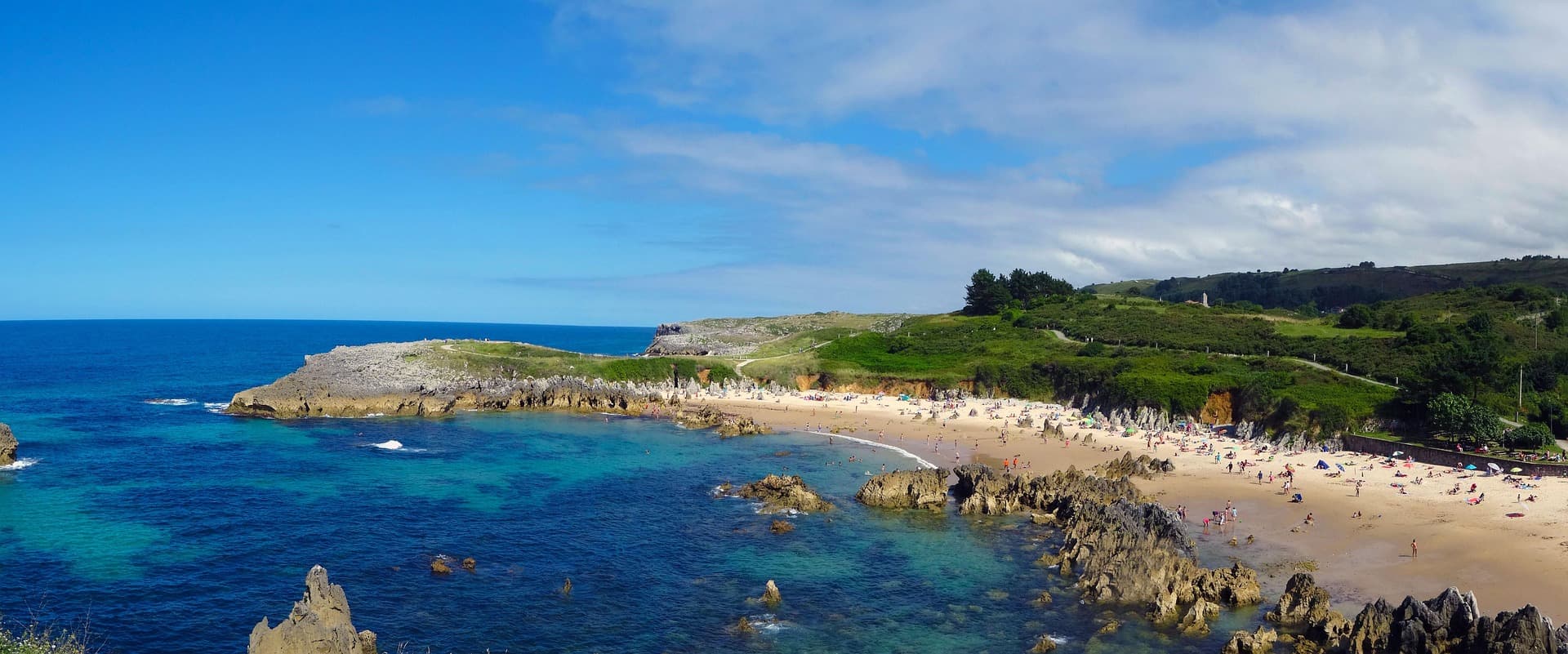
There is no single best month to visit Spain, and anyone who sells you one is selling a beach or a museum and calling it the country. Madrid in January is a cold, serious city with short lines at the Prado. Seville in the first week of August is a radiant furnace where the sensible lunch is eaten in a dark room and the monuments were finished at opening time. Llanes, on the Asturian coast, is the summer trip when the Meseta is unbearable. The useful question is which cities are actually on your list, and whether a festival is the reason you are going or the reason the hotels vanished. What follows is the briefing we use at Spain 360 before we lock nights. Weather shifts by a week or two every year. Confirm the specific festival dates for the year you are booking, because several of the famous ones move.
One peninsula, several climates
Draw a rough line. Inland Andalusia — Seville, Córdoba, Granada — and Madrid share hot summers and chilly winters. July and August afternoons there often climb past 35°C and, in the Guadalquivir valley, past 40°C. The north coast does not play that game. Galicia, Asturias, Cantabria, and the Basque shore stay greener, wetter, and far kinder in high summer. Barcelona and Valencia sit in between: humid, busy, and beach-minded, hot but usually less punishing than a Seville side street at 4 p.m. The Sierra Nevada above Granada is a third climate again, close enough to see from the Alhambra and far enough that it is not an errand you run after the palaces.
School calendars move the crowds more than weather apps do. Spanish schools generally let out in late June and come back in early or mid-September, and the exact day varies by region, so Andalusia and Catalonia will not always match Madrid. The Christmas holiday runs through to Reyes on 6 January. Semana Santa is a full week, and it moves with Easter. Around those blocks, plus the long weekends near 12 October, 1 November, 6 December, and 8 December, trains and old-town hotels tighten. If you are traveling with children, those are the weeks you either embrace or avoid on purpose. If you are not, a Tuesday in early October will feel like a different country from the Saturday of a puente.
A month-by-month read
Use the table as a character sketch, not a forecast. “Crowds” means the mix of Spanish holidays and international city travel, not a promise that the Albaicín will be empty. “What works” assumes a first or second trip built around cities and short transfers, which is how most Spain 360 weeks are built. A walking Camino, a ski week, or a birding trip has its own calendar, and it should not be squeezed into the margin of a Seville hotel.
Festival dates that move: Semana Santa with Easter, Feria de Abril about two weeks later, La Tomatina on the last Wednesday of August. Fallas climaxes on 19 March. San Fermín is fixed: 6–14 July. Confirm the year’s official calendar.
| Month | Weather character | Crowds | What works |
|---|---|---|---|
| January | Cold nights in Madrid and on the Meseta; mild, bright days possible in Seville and Málaga; rain is ordinary in Galicia. | Quiet. Reyes on the 6th is the last of the Christmas lights. | Prado, Mezquita, Alhambra with shorter lines. A poor beach week. |
| February | Still winter inland. Almond blossom starts in parts of the south if the year is early. North coast stays grey and wet. | Low, except Carnival week where a city keeps it. | Cádiz if Carnival is your reason. Otherwise museums and Córdoba in a coat. |
| March | Spring arriving unevenly. Orange blossom (azahar) begins in Seville. Fallas takes over Valencia mid-month. | Fallas week is packed in Valencia. Elsewhere, manageable. | Andalusia if you want flowers starting. Avoid Valencia that week unless the fallas are the point. Climax is the 19th. |
| April | Kind temperatures in the south, wildflowers in the countryside, still cool at night in Castile. Rain possible anywhere. | Semana Santa and, about two weeks after Easter, Seville’s Feria de Abril. Book early or pick another week. | The best month for Seville if you came for the processions or the fair. A hard month for a casual hotel. |
| May | Warm days, long evenings, Córdoba’s patios in the first half of the month. Heat building in the valley but not yet August. | Busy and justified. Patio festival weeks in Córdoba sell out. | Córdoba for the patios, Granada before the worst heat, Madrid before the city leaves. |
| June | Hot inland by the last two weeks. Coasts pleasant. Evenings long enough for a late walk. | School trips and the start of the Spanish holiday mood. | San Sebastián, Galicia, Barcelona if you can take heat. Seville only if you like heat and early monuments. |
| July | Often 35–40°C or more in Seville, Córdoba, Granada, and Madrid. North coast is the humane summer. | Beaches and San Fermín (6–14 July) are full. Inland monuments thinner at midday because people are hiding. | Asturias, Galicia, Basque coast. Alhambra at the first morning slot if you must be in Granada. |
| August | The hottest inland month. Madrid empties as locals leave; some family kitchens close. Coasts are peak. | Coast and Tomatina week in Buñol are jammed. Central Madrid can feel oddly quiet. | The north. Or Madrid for museums if you accept heat and a thinner restaurant map. Not a first Seville week. |
| September | Heat breaks unevenly. Grapes come off the vines in Rioja. Sea still warm. Storms possible. | A strong month. Crowds ease after the first week as schools return, region by region. | Almost any city trip. Book the Alhambra weeks ahead anyway. Harvest lunches in Rioja. |
| October | Clear, cooler, excellent walking weather in Castile and Andalusia. North can turn wet. Evenings draw in. | Often the sweet spot. Puente around the 12th is the busy exception. | Granada, Seville, Madrid, Toledo. Fewer beach days. Raptor passage at Tarifa is the bird note, not a city add-on. |
| November | Short days, rain more likely, cold in Madrid. Olive harvest in parts of Andalusia. Quiet streets. | Low, outside a long weekend around All Saints. | Museums, Alcázar, a Seville that belongs to people who live there. Pack a layer for stone floors. |
| December | Winter. Christmas lights in the cities, especially Madrid. Mild spells on the south coast, real cold inland. | Lights and shopping weeks busier. Christmas Eve and New Year are family days; many kitchens go dark. | Lights, Prado, a short-line Alhambra. Book dinners. Do not expect a beach holiday. |
Spring, Holy Week, and the April Fair
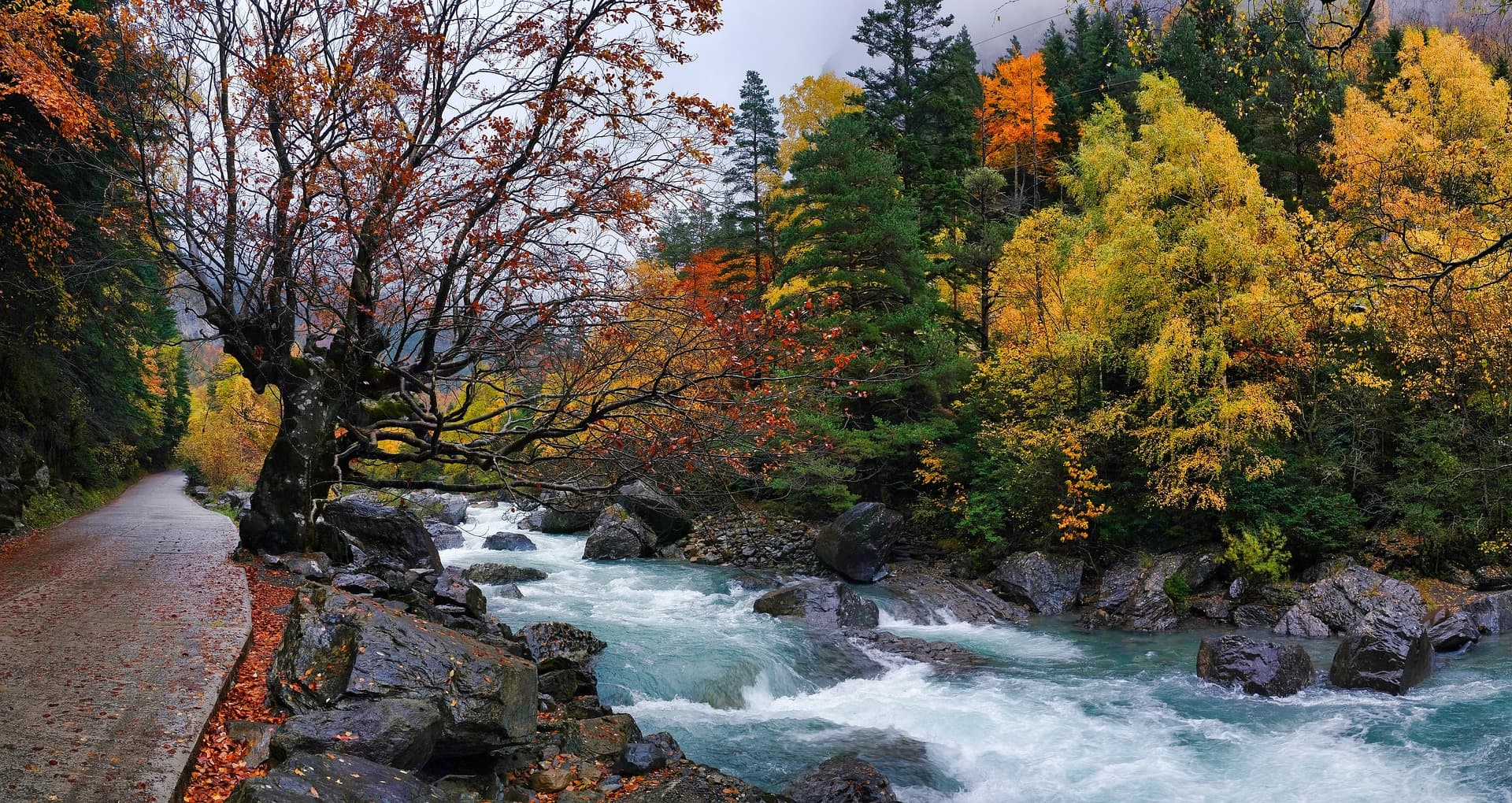
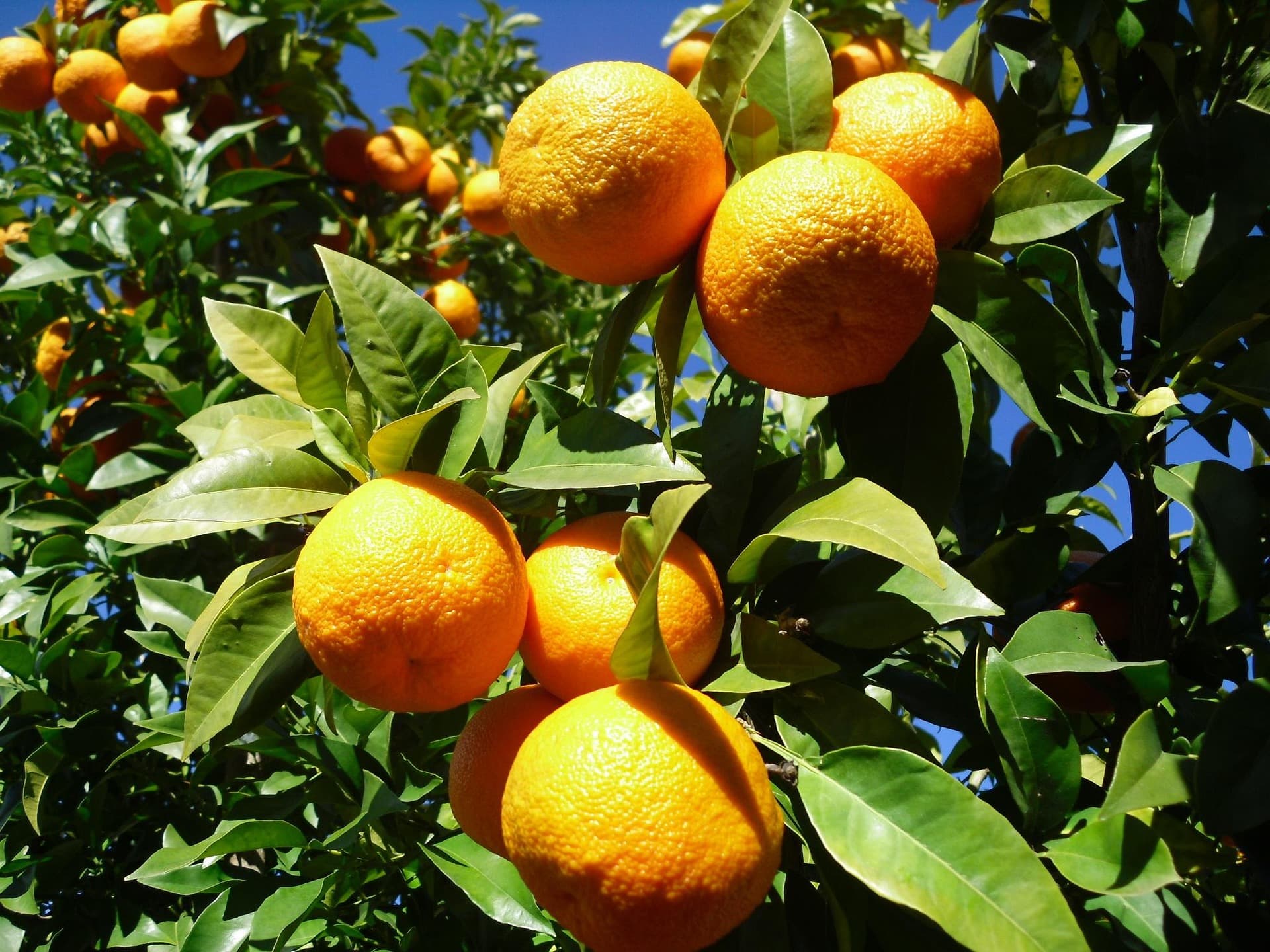
Late March through May is when the countryside earns the trip. Wildflowers show up along the roads in Andalusia, the dehesa turns green, and Seville’s orange trees flower. The smell of azahar in the lanes behind the cathedral is a real thing, strongest when the trees decide, often overlapping Holy Week but not guaranteed to perform for your Tuesday. Days are long enough for a real walk after lunch. Nights in Madrid and Toledo can still ask for a jacket. This is the season we would hand a first-time visitor who wants Seville, Córdoba, and Granada and does not have a professional reason to enjoy 42°C.
Semana Santa is the exception inside that lovely window. The date moves with Easter. In Seville the brotherhoods process for days, the floats are as serious as anything you will see in Spain, and the city is also logistically hard. Streets close for hours. A walk from Santa Cruz to Triana that takes twelve minutes on a normal Wednesday can become a wall of candles and a detour. Hotels in the old center are reserved far ahead, and the price band moves with them. Come for it if the processions are the reason, and book the room before you book the flight. If you want the Mezquita or the Alcázar without a procession between you and the door, pick the week before or the week after, and check that you have not landed in Feria instead.
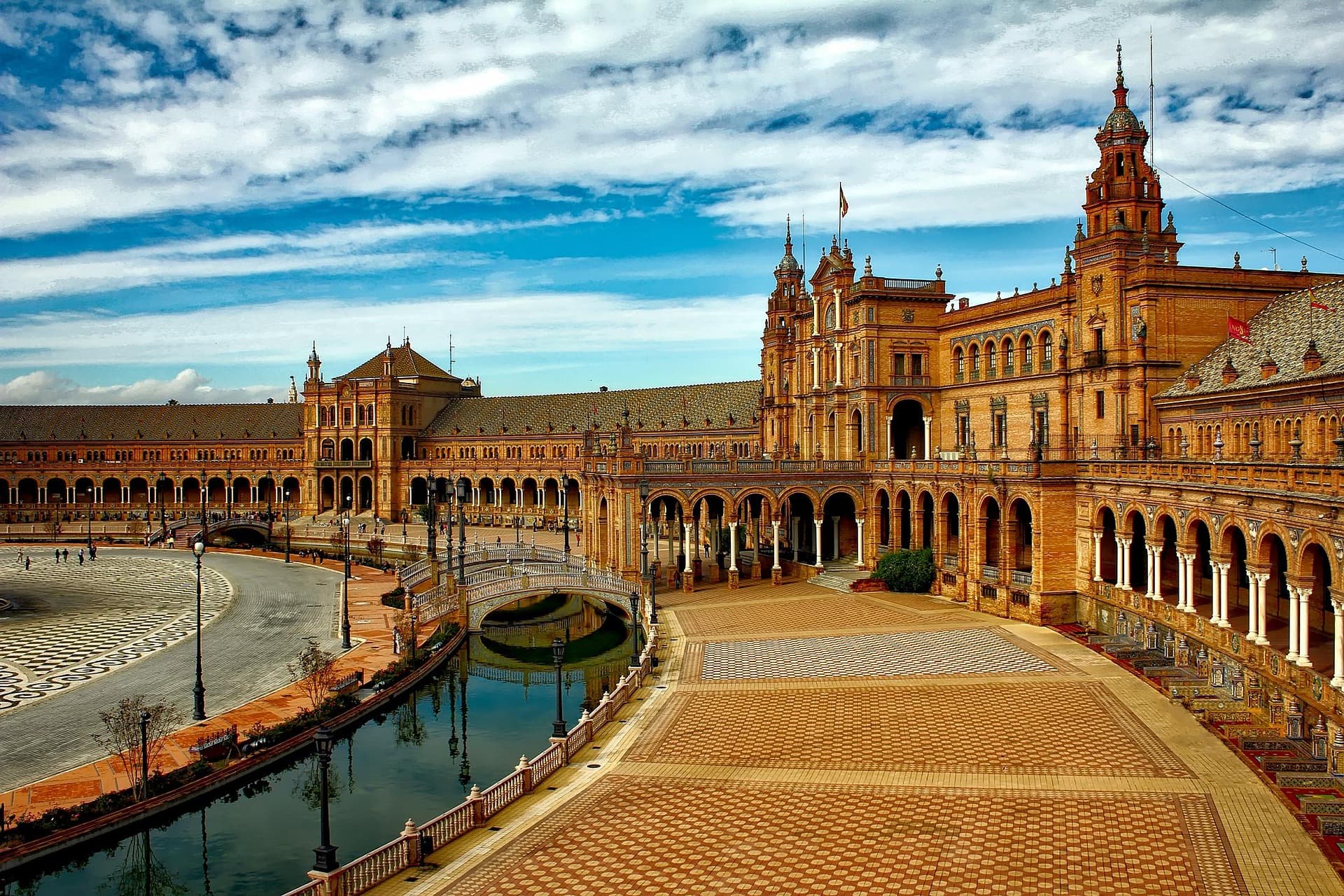
Feria de Abril starts about two weeks after Easter, on the fairground in Los Remedios, across the river from the monuments. The casetas are mostly private. You can still see the lights at night and the carriages in the afternoon, and the city dresses for it. You cannot casually wander into a stranger’s tent and call it the fair. Rooms disappear. If the fair is not your reason, slide your Seville nights to another week and you will eat better, sleep closer, and still see Plaza de España. If the fair is your reason, treat it as the trip, not as a colorful backdrop to a normal monument schedule. Confirm the official dates for your year. “Sometime in April” is how people arrive to a full city.
High summer inland
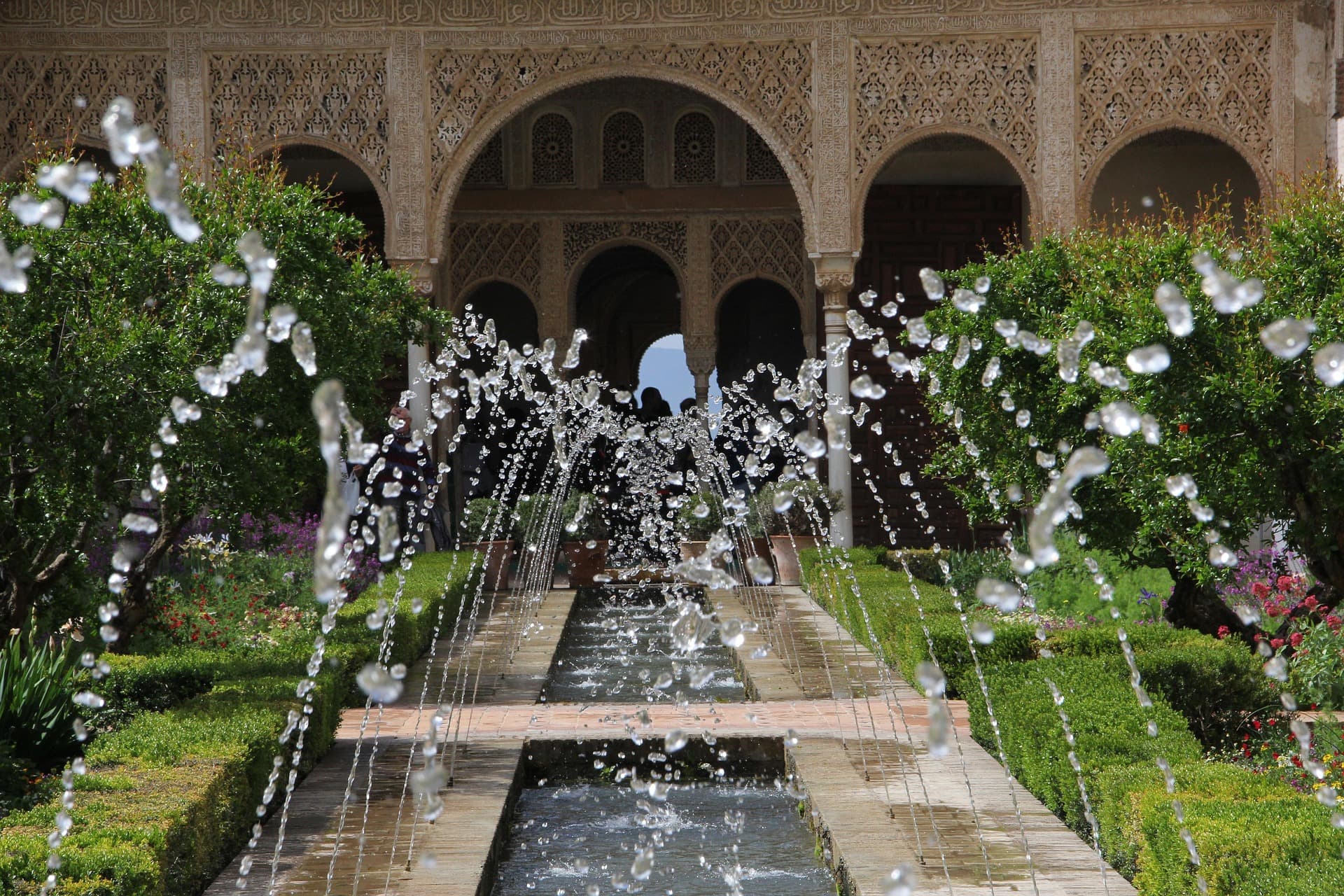
July and August in Seville, Córdoba, Granada, and Madrid are a heat plan, not a vibe. Afternoons often sit over 35°C and, in the Guadalquivir cities, over 40°C. The day that works starts with the ticketed monument at opening. In Granada that means the earliest Nasrid Palace slot you can get on the patronato site, then the Generalife while the gardens are still tolerable, then lunch indoors from about 2 to 4, then a shuttered afternoon. You go out again after 8. Dinner starts in earnest after 8:30 or 9, which in summer is a mercy, because the streets have finally given the heat back. A terrace on Plaza Nueva at 3 p.m. is a kiln, and it is often the kind of terrace that does not bring a free tapa with the drink anyway.
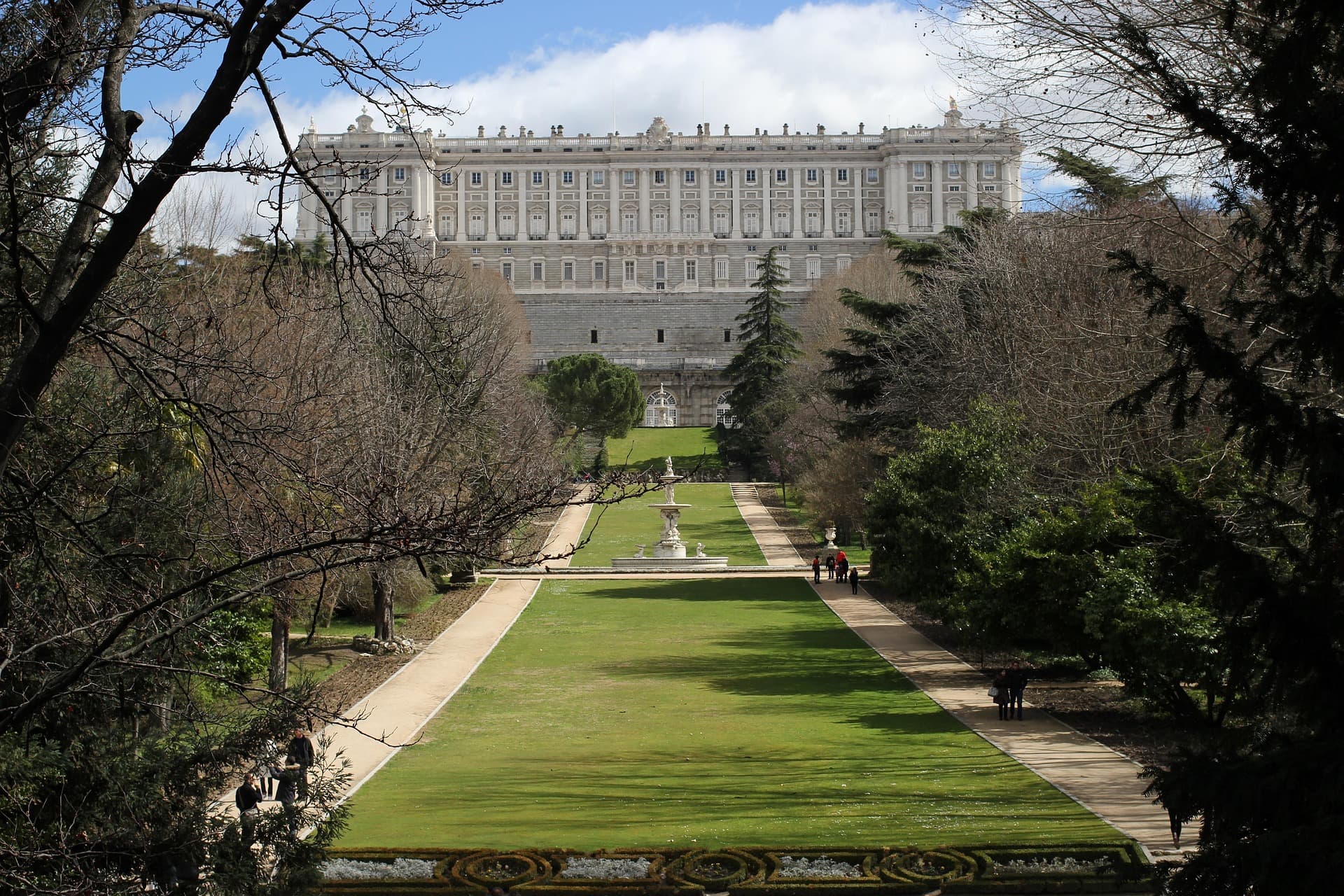
Madrid in August is a special case of the same heat. Locals leave. The Prado and the Reina Sofía stay open, and the lines can be kinder than in May, but a walk across Sol at 5 p.m. is not a pleasure. Some family restaurants, especially in Chamberí, Malasaña, and the smaller rooms of La Latina, close for part or all of the month. The famous places that live on visitors stay open. The consequence of not checking is a Tuesday night when the bar you were sent to by a friend has a handwritten note and a shutter. Ask the hotel, look at the door, and keep a second address. August is a reasonable month for a museum-heavy Madrid if you accept the temperature and the thinner map. It is a poor month to discover the city’s neighborhood lunch culture.
The mistake we see most often is a fare-driven Seville week in the first half of August, with the Alcázar booked at noon because the morning slots were gone. You will do the palaces at the worst hour, skip María Luisa because the gravel radiates, and remember the air conditioning. If that week is the only week you have, keep the trip and change the hours: opening slot, long lunch, evening walk on Calle Betis in Triana when the river air moves. If you can move the week to late September or October, move it.
The north is the summer trip
When the inland cities are overheated, the trip moves north. Asturias, Galicia, and the Basque coast are the summer Spain we actually recommend for July and August. Llanes is a working coastal town with a beach you can use, not a concept. San Sebastián’s bay is the urban version: swim if the flags say you can, walk the Paseo de la Concha, eat pintxos in the Parte Vieja after 8:30, and do not expect the same rhythm as a Seville tapa bar. Galicia’s rías stay green. It rains. Pack a layer even in August, because a north-coast evening after a hot Madrid week will feel like you changed countries, which in climate terms you have.
San Fermín sits inside that summer window and should not be treated as a colorful afternoon in Pamplona on the way to Bilbao. It runs 6–14 July. The running of the bulls is the famous slice of a much larger, louder, more crowded festival. Rooms go early. If you want it, it is the trip. If you want a quiet Basque week, you are in the wrong city in the wrong days. The same logic applies to La Tomatina, the last Wednesday of August in Buñol, near Valencia. It is ticketed now. Confirm the current ticket on the official channel. A ticket does not make it a quirky add-on after a Valencia paella. Paella, if you are in Valencia, is still a lunch, traditionally chicken and rabbit. Tomatina is a full, messy, closed-down day in a small town, and the road in is not a casual drive you invent that morning.
"July in Seville and July in Llanes share a country and not a climate. Pick the one your week can actually stand in."— Spain 360 trip notes
September, October, and the grape harvest
September and October are the months we have the easiest time defending to a first-time traveler who wants more than one region. The worst of the inland heat has usually broken, though the first ten days of September in Seville can still feel like summer, and the sea on the Mediterranean is warm enough for a swim. Schools have gone back, with the usual regional wobble, and the cities exhale. Walking days in Toledo, Córdoba’s Judería, and Madrid’s Retiro work in the afternoon again, which they often do not in August.
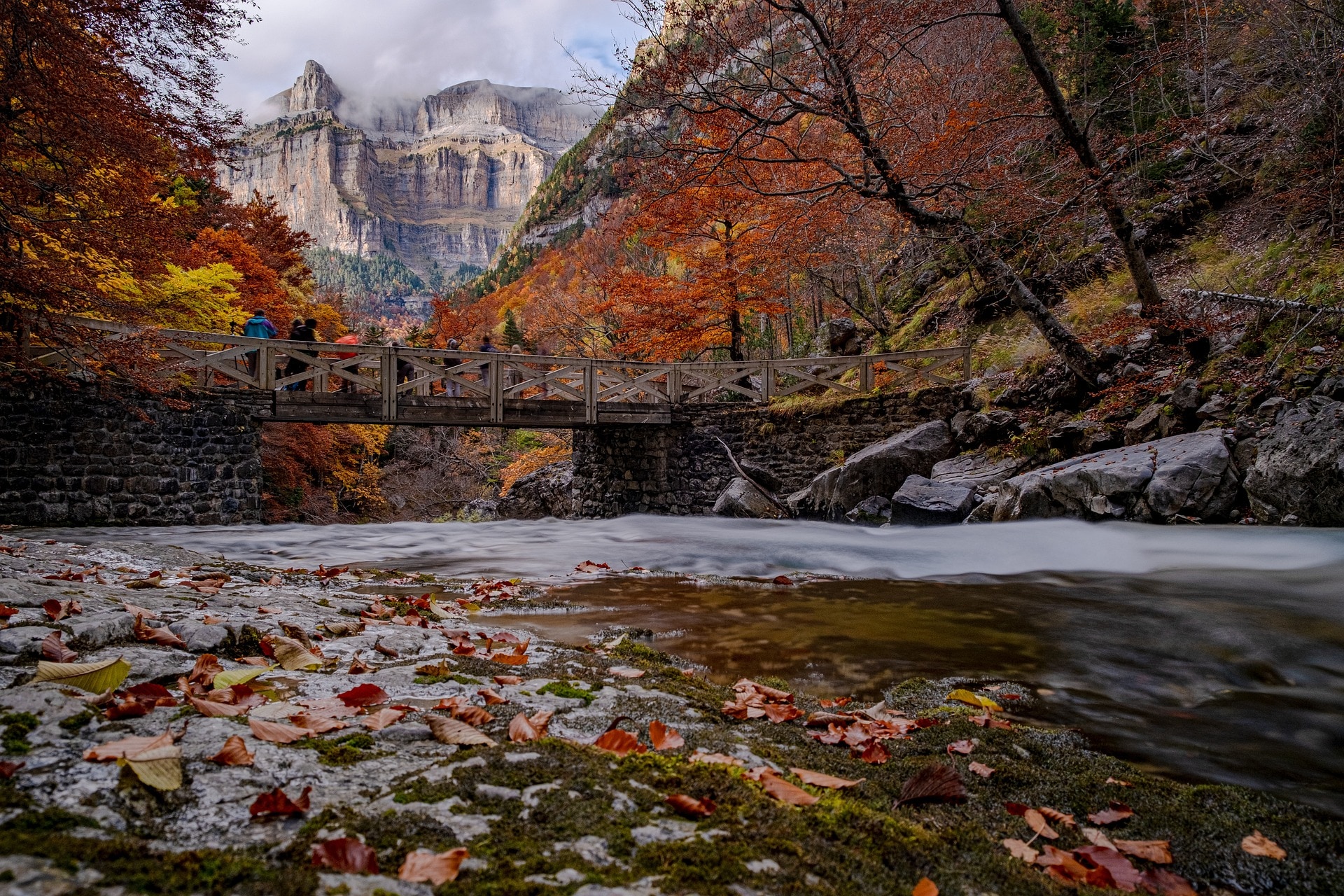
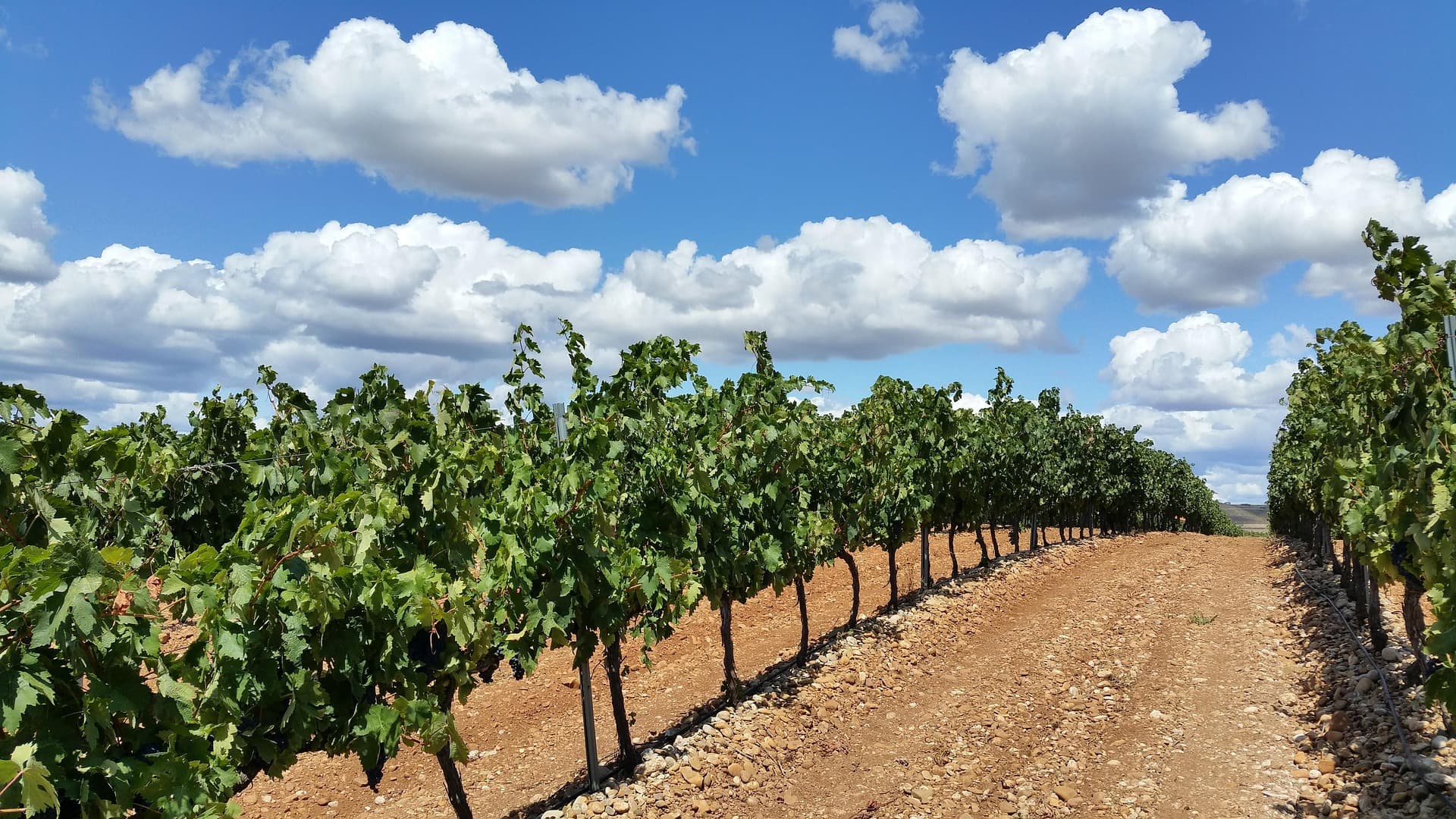
This is also vendimia. In Rioja the harvest generally runs from mid-September into October, depending on the year and the village. Haro and Laguardia are working towns in those weeks, not a stage set. If a deep Rioja week is the trip, book the bodegas you actually want to enter and keep the lunches long. If Rioja is a single lunch between San Sebastián and Zaragoza on a longer tour, you will see vineyards from the road and eat well, and you will not have “done the harvest.” Do not tell yourself otherwise. Granada in these months is the kindest version of the Alhambra: the palaces are still busy, and you still book the Nasrid slot weeks ahead on the patronato site, but you are not crossing the Court of the Myrtles in dangerous heat. October light on the Generalife is one of the reasons we push autumn when the guest can choose.
Winter, lights, and the week that is not a ski trip
November through early March is the short-line season. The Alhambra, the Mezquita, the Alcázar, and the Prado are still the same buildings, with fewer tour groups in the doorway at 11 a.m. Madrid does Christmas properly: lights on Gran Vía and Calle de Serrano, the decorations around Sol, and the annual Cortylandia windows at El Corte Inglés on Calle de Preciados, which are crowded and worth one look if you like that sort of public theater. Christmas Eve and New Year’s Day are family days. Many restaurants close or run a set menu you must reserve. Plan those dinners before you land. Reyes, 6 January, is the day the holiday actually ends for a lot of households.
Winter is a weak beach trip. You can walk Barceloneta or the Málaga seafront on a bright day and be glad of the light, and you should not build the week around swimming. The Sierra Nevada is right there above Granada, and people do ski it. This is not a ski article, and a Spain 360 city itinerary will not pretend that a morning in the Nasrid Palaces and an afternoon on the slopes are a natural pair. The drive up is a real drive. If skiing is the point, plan it as its own stay. If Granada is the point, look at the snow from the mirador and leave the mountain alone.
Days are short. A December Alhambra slot at the last hour of the afternoon can run out of light while you are still in the Generalife. Take a morning ticket. Stone floors in the Mezquita and the cathedral in Seville hold the cold; the building is no warmer than the street. A layer you can take off at lunch matters more than another pair of sandals. Sunday and Monday closures still exist at some museums. Check the week you are actually traveling, because a winter trip with only two open mornings can lose one of them to a Monday shutter.
The other calendars: Fallas, and birds in one paragraph
Fallas belongs to Valencia in mid-March, and the climax is the 19th, when the monuments burn. The city is extraordinary and exhausted and loud, and the hotels behave accordingly. Go if you want fire and a week in which the normal city is not available. Stay away that week if you wanted the City of Arts and Sciences in peace and a quiet lunch. It is the same rule as Seville’s fair and Pamplona’s July: the festival is either the subject of the trip or it is the obstacle.
Birds get one honest paragraph, because autumn at Tarifa and spring at Doñana are real, and they are not a footnote you can honor with a two-hour stop. In autumn, raptors cross the Strait of Gibraltar, and Tarifa is the town people base themselves in to watch that passage. In spring, Doñana’s marshes, south of Seville, matter for breeding birds and for the simple fact of the wetlands. If that is the trip, give it days and a guide who came for the birds. If you are on a city week, know the seasons exist, look up when you are passing, and do not detour the bus into the national park between the Alcázar and a 4 p.m. train and call it birding.
- Book Seville hotels for Semana Santa and Feria before you fall in love with the photographs.
- Put the Alhambra in the cool part of a hot day. A 1 p.m. palace slot in August is a self-inflicted wound.
- Do not plan a beach day in December and call the rest of the country a disappointment.
- Check Monday closures before you give a winter city only one museum morning.
- Rioja harvest is mid-September into October. A single lunch is a lunch. A harvest week is a different itinerary.
- School holiday weekends and the December puente fill AVE trains. Buy the ticket once the date is real.
If you are looking at a three-week trip that has to survive Galicia’s weather and Seville’s, The Grand Tour of Spain is built as that arc, with twelve guests at most, and the month you choose is the real decision. July favors the north and punishes the Andalusian finish. April favors the south and can soak the north. Late September is the compromise we reach for when the dates are free. Bring the city list to that choice, not the other way around.
Plan Your Spain Trip
Talk with our Spain-based team about small-group departures, private itineraries, and straightforward travel from the US—we handle the details.
Contact UsRecommended Journey
The Grand Tour of Spain
Twenty-one days with a cap of twelve guests, north to south: Castile, Galicia, the Picos, San Sebastián, Rioja, Zaragoza, Barcelona, Valencia, Granada, and Seville. The month you pick has to work for the rain in the north and the heat in the south.
View the itineraryExpert's Tip
If the trip includes both Galicia and Seville, choose the month for the weaker climate, not the postcard. September is the one that usually lets the whole arc breathe.
Get the Soul of Spain in Your Inbox
Join our curated list for exclusive travel stories, hidden jazz venues, and expert guides delivered once a month.