Tarifa and the Strait: When the Raptors Cross
12 min read
Tarifa sits where Europe almost touches Africa. At the narrowest point the Strait of Gibraltar is about 14 kilometers of water, from the Spanish tip across to the Moroccan coast, and that short gap is why the sky here matters. Soaring birds do not like long sea crossings. Thermals die over open water, so storks, eagles, kites, and buzzards funnel to the place where the jump is brief. Autumn, roughly mid-August through October, is the famous southbound push. Spring, roughly February through May, is the return, and it is more at the mercy of weather. The wind is constant on purpose. Tarifa is not a calm beach holiday that happens to have birds. The wind is the reason the birds stack up, and it is the reason a watchpoint that worked yesterday can be the wrong hill today.
Why the birds use this gap
A honey buzzard or a white stork travels by riding rising air over land, then gliding. A wide reach of sea is a risk: no lift, a long flap, and a mistake that ends in the water. The western flyway between Europe and Africa solves that problem at the Strait. Birds gather on the Spanish side, wait out a bad wind or poor visibility, and cross in pulses when the air allows. You are not owed a conveyor belt. You are owed a chance to be standing in the right place when a pulse decides to go. Some hours are almost empty. Some hours put more birds over one ridge than you will count. We will not print a fake total. The decision is to be there for the week you chose, with the morning reserved, and to let the birds be late if they are late.
The town itself is small, white, and windy, with the harbor on one side and the hills behind. Morocco is not a metaphor on a clear day. You can see the other coast. That view is useful and it is also a trap, because people then try to add a ferry, the Rock of Gibraltar, a whale boat, and a raptor count to the same morning. The birds do not care about your border plan. Pick the watch first. Everything else is a different block of the day, or a different day.
Wind chooses the hill
Two winds run this coast. Levante is the easterly. Poniente is the westerly. Both can be strong enough to make a scope shake and a light jacket feel ridiculous even when the sun is out. They also move the passage. As a working rule, Levante often favors inland observatories such as Cazalla, in the hills above Tarifa. Poniente often brings the visible stream closer to the coast and the watchpoints nearer town. Strong wind of either name can stall the crossing, so birds pile up in the ridges until it eases, which is thrilling if you are already on the right ridge and useless if you are on the beach waiting for a photograph of a calm sea.
Cazalla is the name to remember, and it is not the only door. Other local observatories, inland and coastal, take their turn as the wind shifts. A forecast at dinner is a hypothesis. The guide’s job at dawn is to throw it out if the ridge says something else. If you are self-guiding and you do not know honey buzzard from booted eagle yet, this is the morning to hire someone. Species come mixed, juveniles look wrong, and the hill you picked from a blog post may be quiet while the neighboring observatory is busy. Conditions change by wind direction. That sentence is the whole strategy.
An autumn day, without a fake count
Sleep in Tarifa, not in Seville and not in Granada. Eat something small, wear the layer, and be at the chosen observatory early. Peak weeks repay an early start because the first thermals and the first decision to cross can happen before a leisurely breakfast in town. Then you wait. Waiting is the activity. People who need a bird every minute will be unhappy at Tarifa, and people who can stand still will sometimes see the sky fill. When a push comes, it is a stream: birds rising, lining up, and stepping off toward Africa, or aborting and sliding back to the Spanish hills.
What the stream is made of depends on the week, and we will not pretend every week is the same flock. Earlier in the southbound season, from about mid-August, black kites are a major part of the movement, and white storks travel in their own pulses through late summer and into autumn. Honey buzzards often build toward a peak in late August and early September. As September runs into October you are more likely to be among short-toed eagles, booted eagles, Egyptian vultures, marsh harriers, and sparrowhawks, with black storks in smaller numbers than the white stork flocks. Lesser kestrels and other smaller migrants continue as the big soaring birds thin. Those are tendencies. A given Tuesday can ignore them. Your job is to be on the hill that wind chose, not to audit the sky against a timetable.
Lunch is in town when the passage allows, and on the hill from a bag when it does not. Tarifa’s ordinary glory at the table is fried fish: cazón in adobo, small squid, a plate of something that was in the Strait that week. Eat it as a meal, not as a reward you postpone until dinner if you are shaking from standing in the wind since eight. The afternoon is a decision. If the wind has swung, you may move to a second observatory. If the passage has died, you stop. You do not pad the day with a fortress tour in order to feel efficient. Migration is allowed to be over.
- Sleep in Tarifa for at least two nights if you want one serious autumn day and a margin for the wrong wind.
- Three nights if you also want a boat. The boat is not a insert in a raptor hour.
- Hat with a cord, sunscreen, water, and 8x42 binoculars. A scope if you already know how to use one in wind.
- A guide if the species are new to you. Mixed eagles at distance are not a beginner’s pride test.
- Fried fish in town when you come down. The hill is for birds, not for a picnic fantasy in a gale.
- Seville is about two hours away and can bookend the nights. Granada cannot spare you for a morning.
Spring against autumn
Neither season comes with a count. Autumn is the classic booking. Spring needs more patience with the forecast.
| Question | Autumn, southbound | Spring, northbound |
|---|---|---|
| When | Roughly mid-August through October | Roughly February through May |
| Reputation | The famous push. More predictable volume if you hit a good week. | Real, and more weather-dependent. A hard wind or a wet day can shut the door. |
| Birds you plan around | Black kites early, honey buzzards late August and early September, white storks in pulses, then eagles and harriers later | Black kites and white storks earlier, honey buzzards often later, into April and May |
| Your decision | Book the nights in Tarifa first. Let the wind pick Cazalla or the coast each dawn. | Keep an extra day if you can. One washed-out morning should not be the whole trip. |
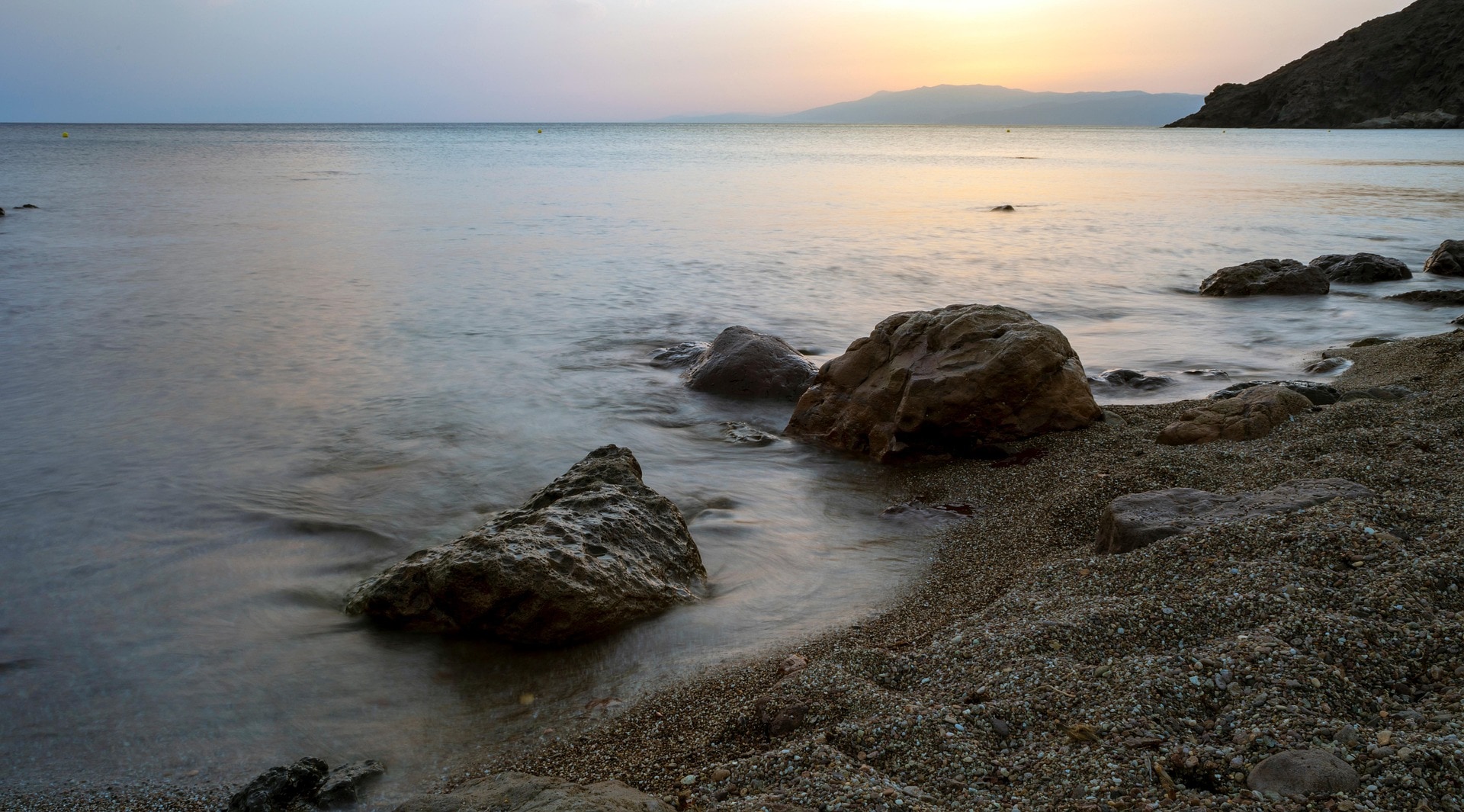
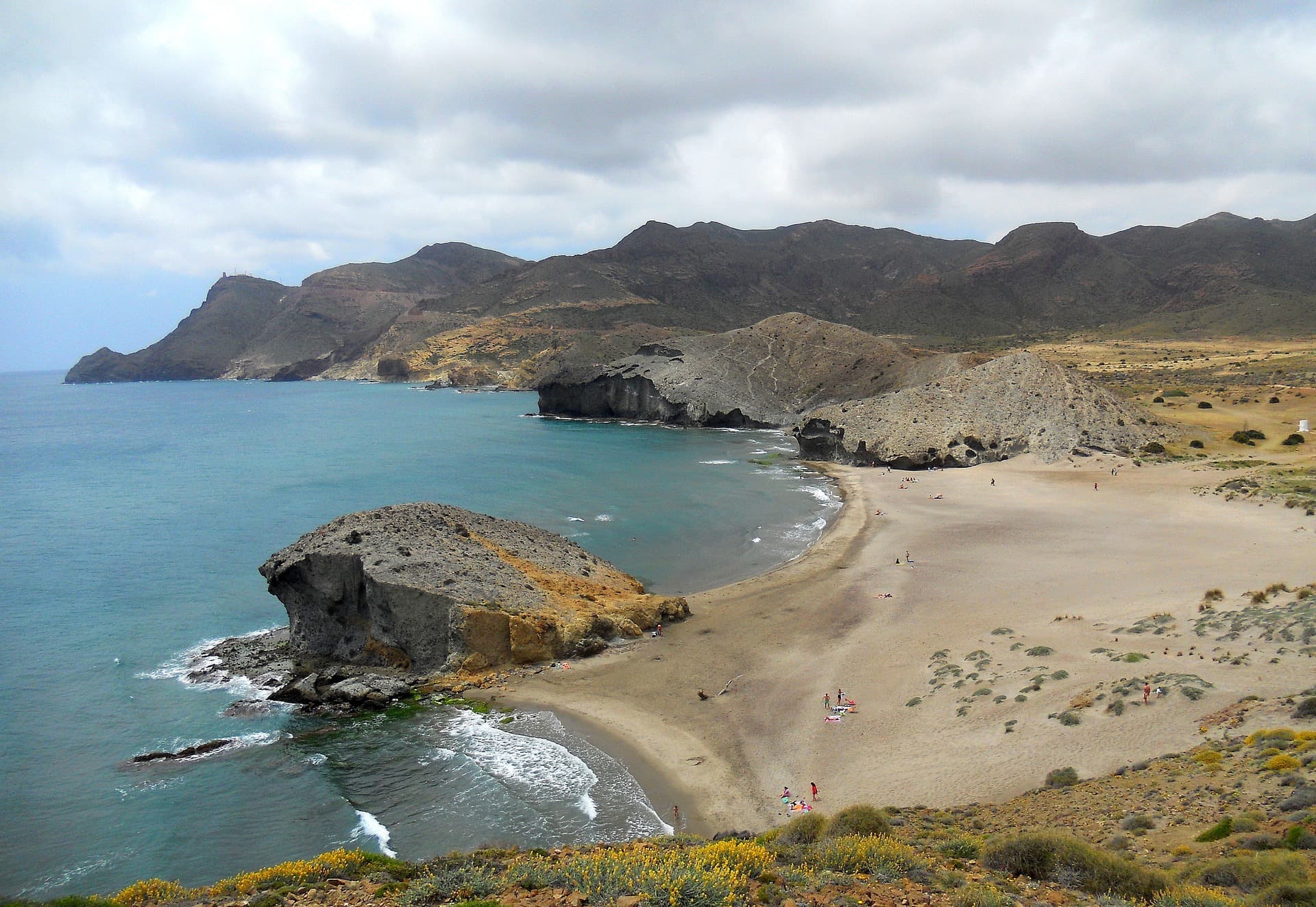
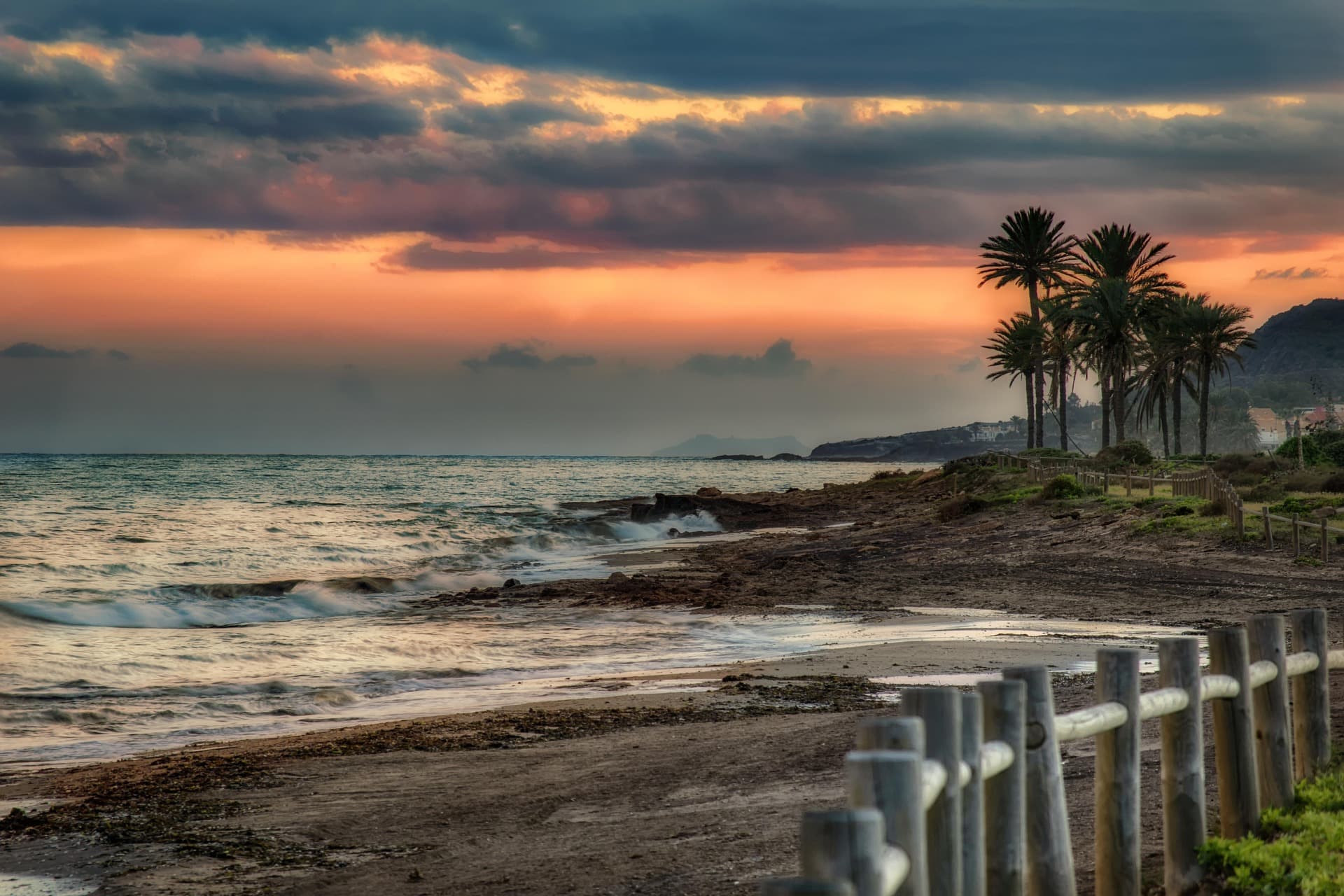
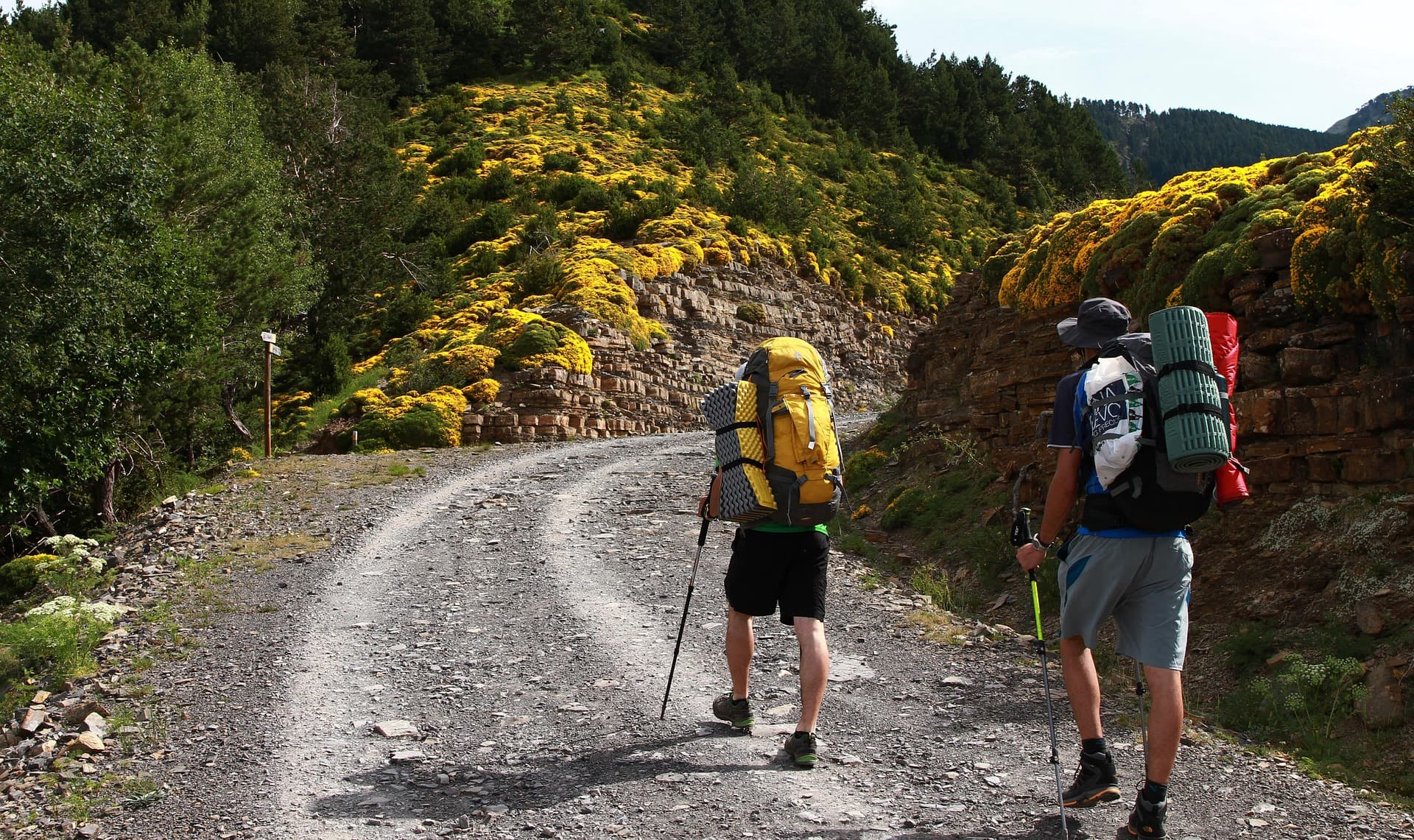
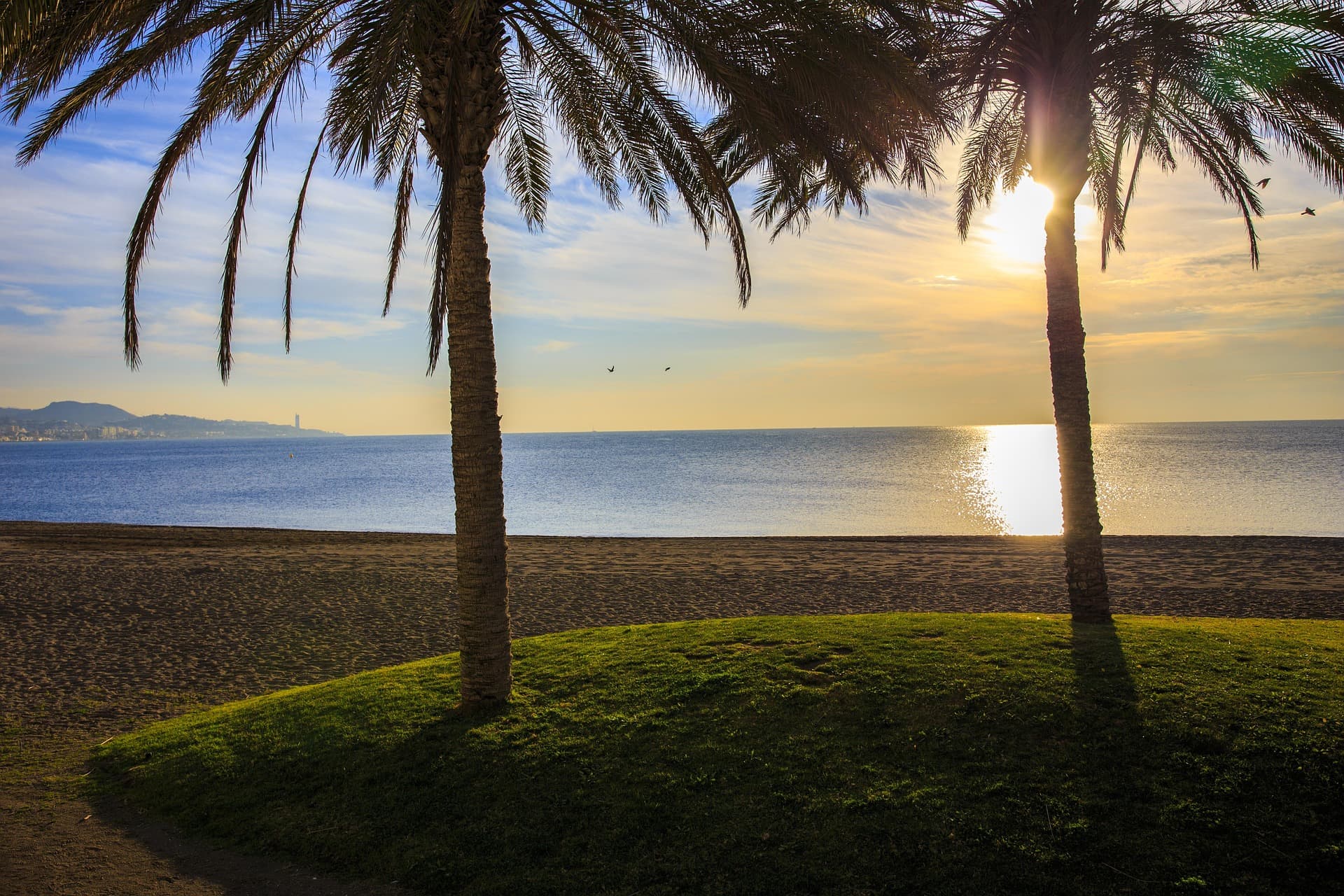
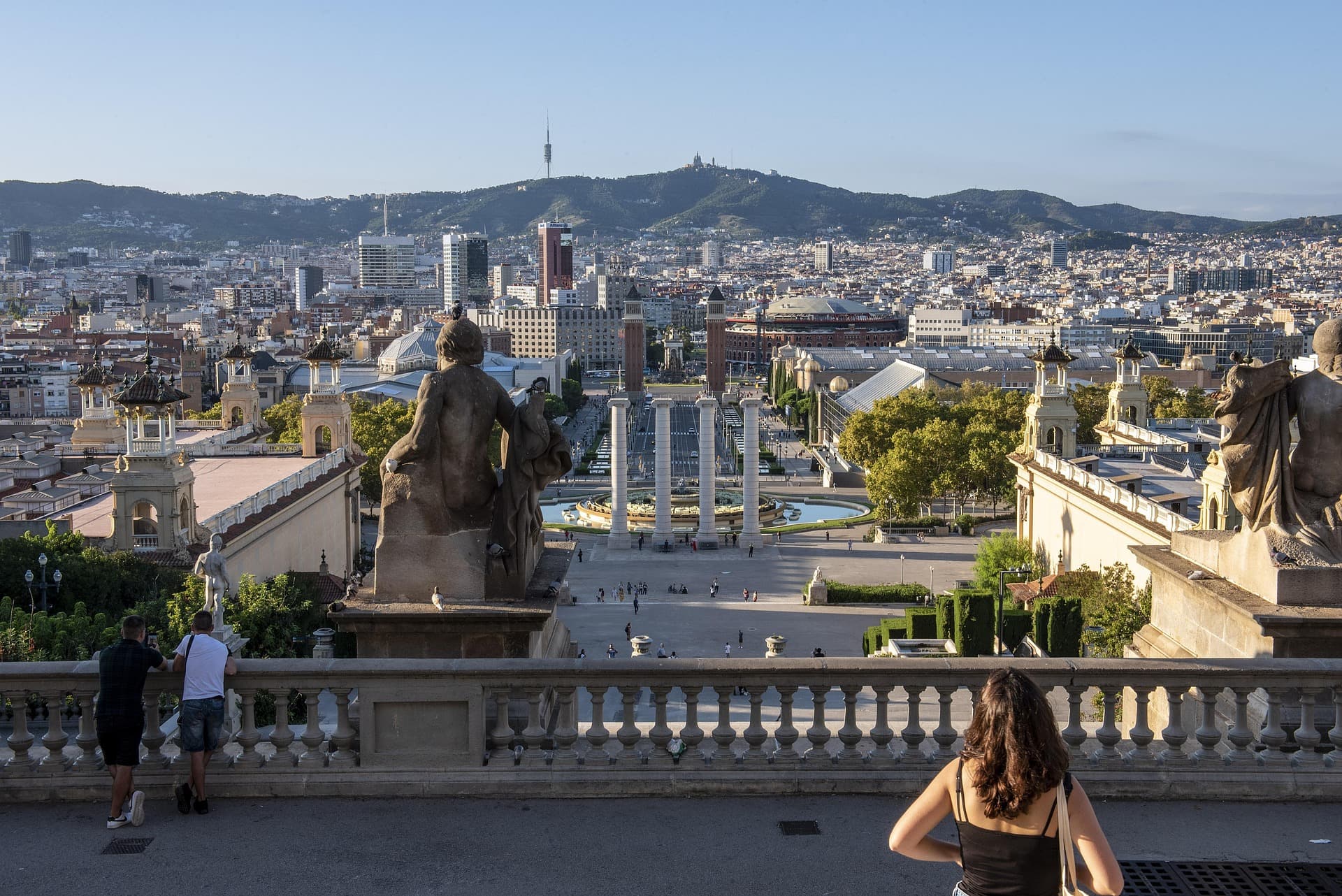
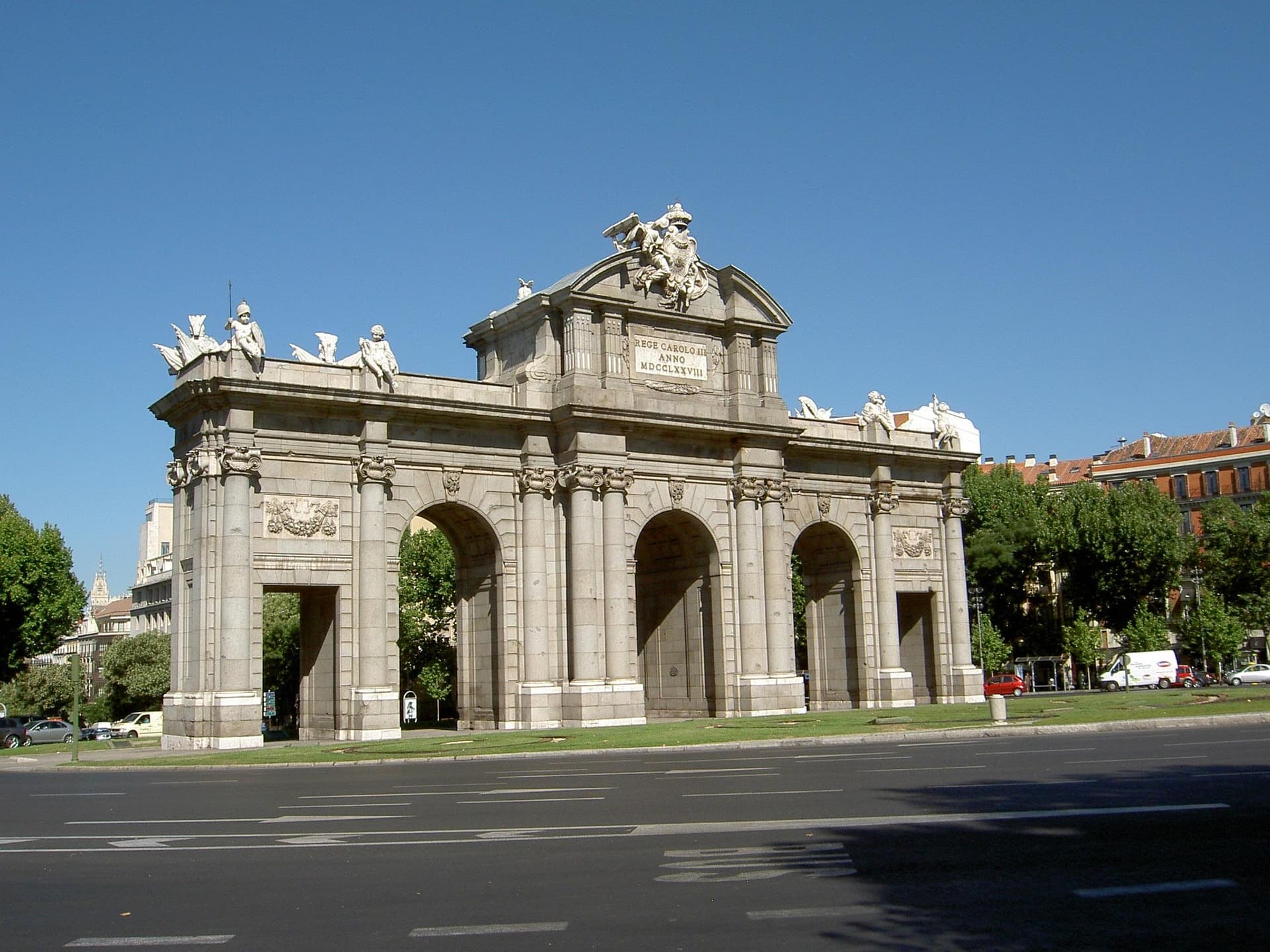
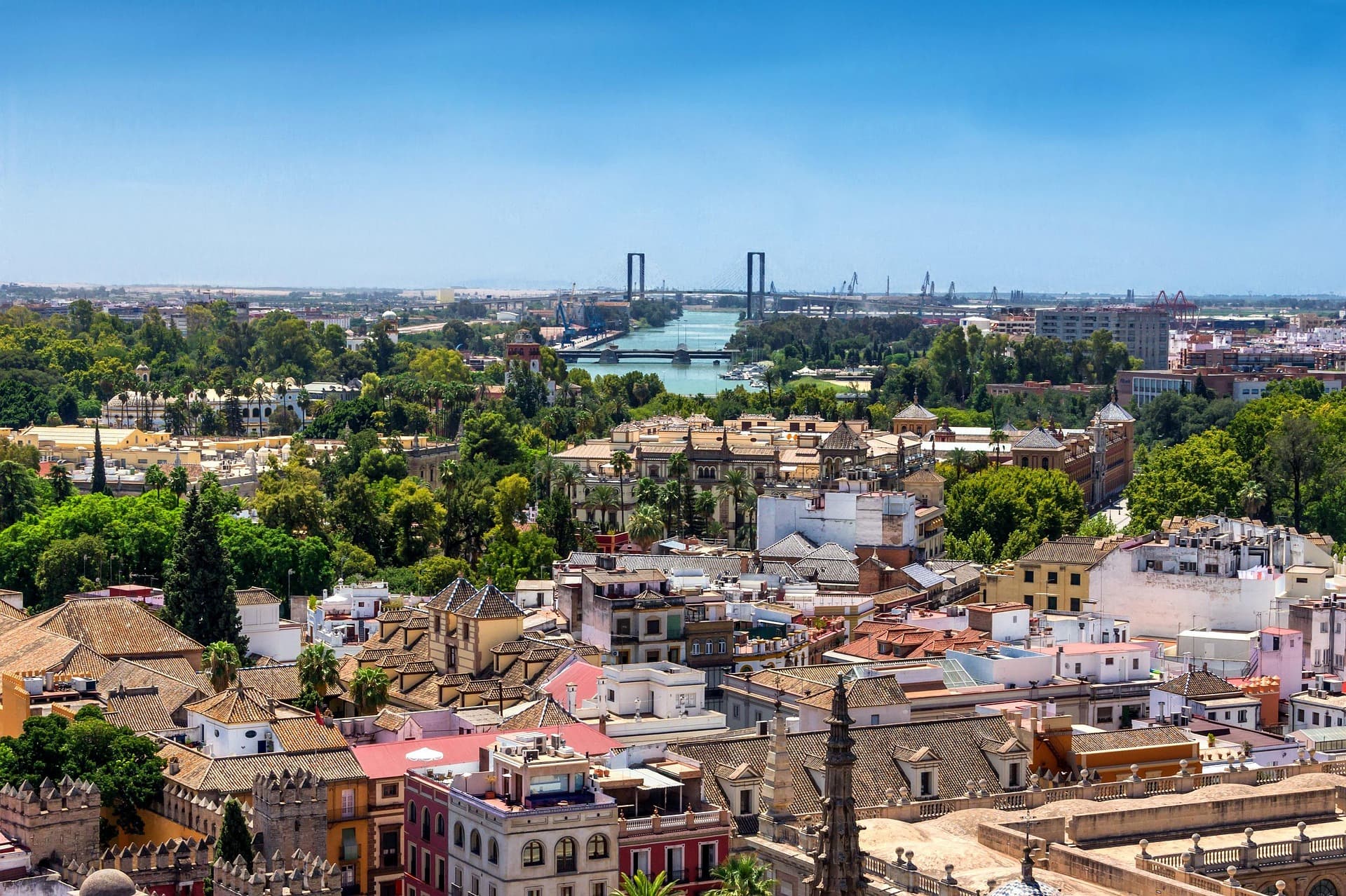
The photographs beside this chapter are coastal Andalusia: headlands, a beach, a trail, light you will recognize if you know the south. They are not Tarifa, and they should not be read as the observatory. Tarifa’s own look is wind on a ridge above a short sea, with Morocco in the distance on a clear day. A sheltered cove elsewhere on the Andalusian coast is a lovely swim and a bad place to count honey buzzards. If you want that swim, take it on a different afternoon, on a beach the wind is not currently punishing. Do not re-center the trip on it.
Kit, and the guide question
Dress for wind, not for a terrace. A shirt that felt right in Seville will feel thin at Cazalla in a Levante. Layers you can add, a hat that stays on, and sunglasses against glare off the sea are the practical list. Binoculars are 8x42 unless you already prefer a pair you can hold steady. A telescope is a gift in this landscape if you know how to lock it down in wind and if you can identify what it shows you. If you do not, the guide’s scope and the guide’s voice are worth more than a new tripod bought at the airport. Water matters more than people expect, because the sun is still Spanish even when the air is moving.
Hire a guide if you cannot separate a black kite from a booted eagle at distance, or if you do not want to guess the hill. Self-guiding is possible for someone who has done this flyway before and who will move when the wind says move. It is a poor economy for a first October. On a Spain 360 birding day the group is small, capped at twelve, and the point of the guide is exactly this judgment: which observatory, how long to stay, when a dot is an Egyptian vulture and when it is a griffon passing through. You still might get a quiet morning. The Strait owes nobody a spectacle on a booked Tuesday.
The beach, said honestly
Tarifa is a wind town. That is why people kitesurf at places such as Los Lances and Valdevaqueros, and it is why a traveler who wanted a still, hot, resort morning will feel misled if nobody warned them. The wind is not a flaw in the holiday. It is the instrument. If you want an hour in the water, ask locally which beach is less exposed that afternoon, and accept the answer may be “none of them are calm.” Bolonia, a short drive west, gives you a longer beach and the Roman site of Baelo Claudia if you want stone and sand after the birds. It is still the Strait. It is still often windy. Build it as a reward for a finished count, not as the reason you came.
A whale or dolphin boat is a real second trip and a bad simultaneous one. Boats leave from Tarifa’s harbor for the Strait, where common dolphins, striped dolphins, and long-finned pilot whales are the animals crews regularly look for. Orcas show up in season, often linked to the tuna, and they are never a promise. The boat goes, or it does not, according to sea state. It takes a block of hours. You cannot be on it and at Cazalla for the same honey-buzzard push. Choose. If the raptors are moving, stay on the hill. If the morning was dead and the harbor says the sea is workable, the boat is a good use of the rest of the day. Book it as its own piece.
Gibraltar is a border, not a coda
The Rock of Gibraltar is visible, famous, and administratively elsewhere. You cross at La Línea de la Concepción. Bring the passport you used to enter Spain. Queues at the border are a normal way to lose an hour, and the macaques on the Upper Rock are a normal way to spend the rest of the half day, by cable car or by a local taxi tour. None of that is a raptor count. A morning that tries to do Cazalla and the Rock before lunch fails at whichever one the wind or the queue delays. Give Gibraltar its own half day, ideally when the migration weather is poor, or skip it. Barbary macaques are not a consolation prize you bolt onto a stork pulse.
The same discipline applies to cities. Seville is about two hours from Tarifa. That is close enough to sleep there the night before you start, or the night you finish, and it is close enough to be the city block of a longer Andalusia trip. It is not so close that you day-trip the Strait and the cathedral before one lunch. Granada is the mistake. The Alhambra and Tarifa are on the order of three and a half to four hours apart, depending on the road and the hour. You do not watch white storks and the Nasrid palaces in the same morning. If the trip includes both, Tarifa is a detour with its own nights, two at minimum, three if a boat is included. The Spain Birdwatching & Wetlands Safari only makes sense here when those nights are actually in the plan.
"The Strait is about fourteen kilometers of water that soaring birds refuse to treat as an ocean. Wind decides which hill above Tarifa sees them. The beach and the Rock are other days."— Spain 360, on migration at Tarifa
Book the season on purpose. Mid-August through October if you want the famous southbound push of black kites, honey buzzards, white storks, and then the eagles. February through May if you want the return and you can tolerate a weather-dependent week. Sleep in Tarifa. Let Levante point you toward Cazalla and Poniente point you toward the coastal observatories, and let a guide break that rule on the morning it is wrong. Stand still. Eat fried fish when you come down. Put dolphins on a separate boat and Gibraltar on a separate half day with a passport. Leave the Alhambra in Granada, where it is. The birds will cross, or they will wait. Your only mistake is being in the wrong town while they decide.
Plan Your Spain Trip
Talk with our Spain-based team about small-group departures, private itineraries, and straightforward travel from the US—we handle the details.
Contact UsRecommended Journey
Spain Birdwatching & Wetlands Safari
The wetlands safari is our birding route. A Strait block only works if Tarifa gets its own nights: migration is a wind decision, not a morning stolen from the Alhambra.
View the itineraryExpert's Tip
Ask the night before which wind is forecast, Levante or Poniente, and which Tarifa watchpoint that wind favors. Cazalla and the coastal observatories are not the same morning.
Get the Soul of Spain in Your Inbox
Join our curated list for exclusive travel stories, hidden jazz venues, and expert guides delivered once a month.