Driving in Spain: When a Car Helps, and When It Wastes the Day
12 min read
Spain drives on the right, and a lot of the country is genuinely better from the passenger seat: the white villages west of Ronda, the switchbacks under the Picos de Europa, a morning of bodegas around Laguardia, a cove on Mallorca that the Palma bus only approximates. The same car becomes the worst decision of the week inside Madrid, in Seville’s old center, on Toledo’s hill, and in Barcelona’s Gothic Quarter. Spain 360 plans from Zaragoza with that split in mind. If a day is about a view and a village, we put a driver on it. If a day is about a city, we park the idea of driving before you do.
Where a car earns the rental
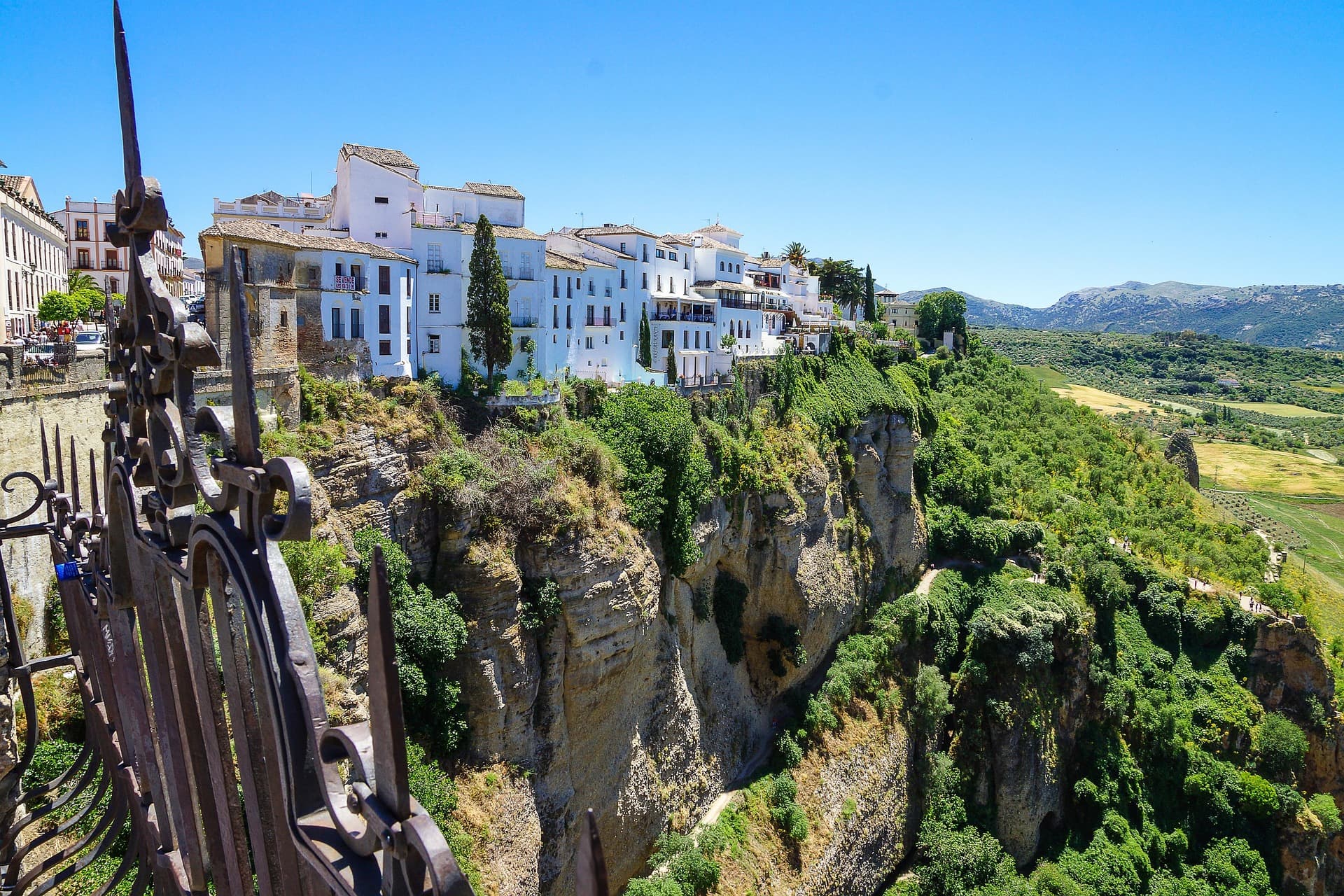
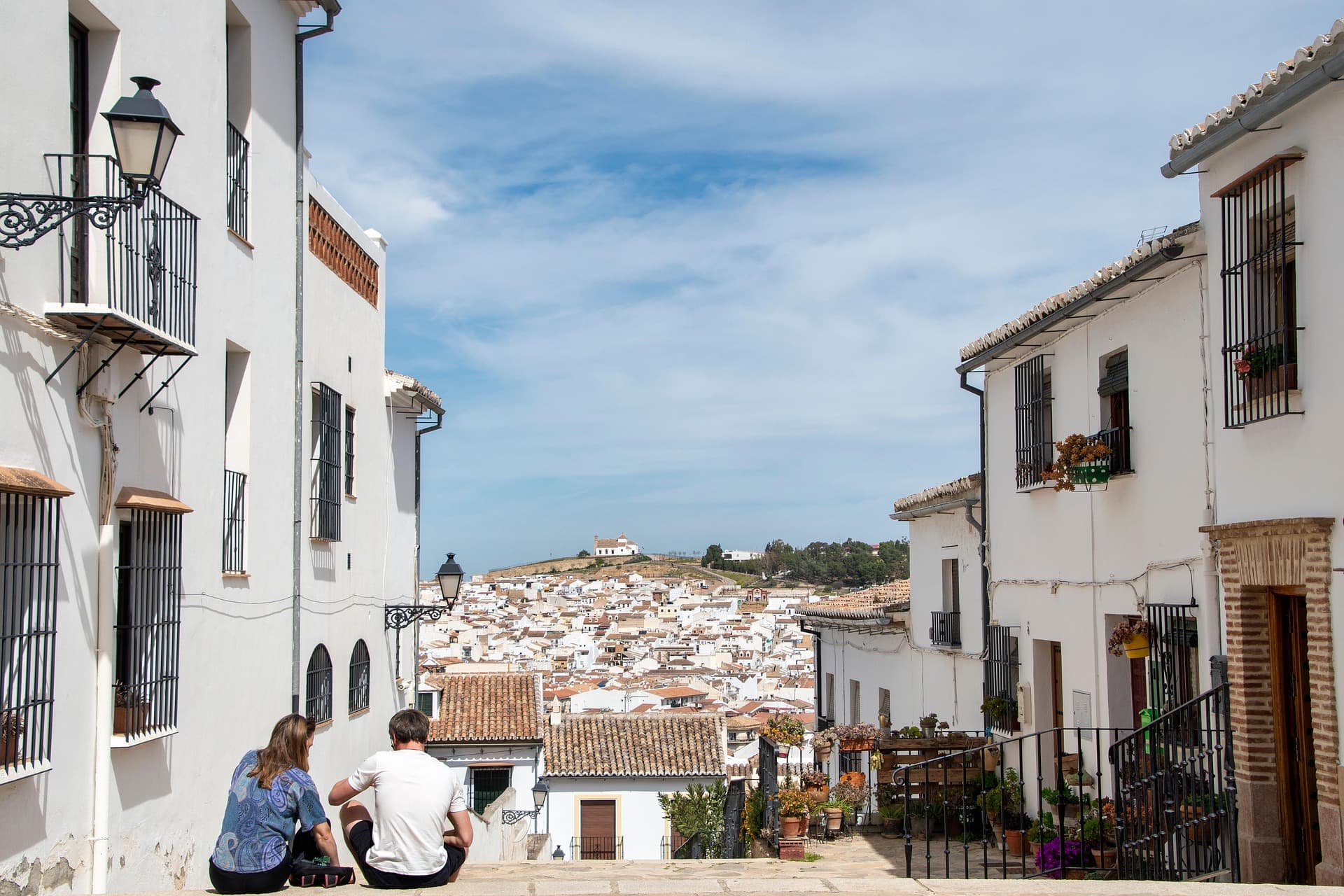
The white villages are the clearest case. Zahara de la Sierra sits above its reservoir with a castle you actually climb to. Grazalema is tucked under the pinsapo firs of the sierra, and the road from Zahara into town is the trip, not a delay before the trip. Arcos de la Frontera balances on a cliff over the Guadalete. Vejer de la Frontera, inland from the Cádiz coast, is a tangle of white lanes that a train will never enter. You can stitch two of those in a day with a driver who knows which street dies into a staircase. You cannot stitch them with a Renfe ticket and optimism. The kilometer count between Seville and Grazalema looks friendly. The road through the sierra does not care about your kilometer count.
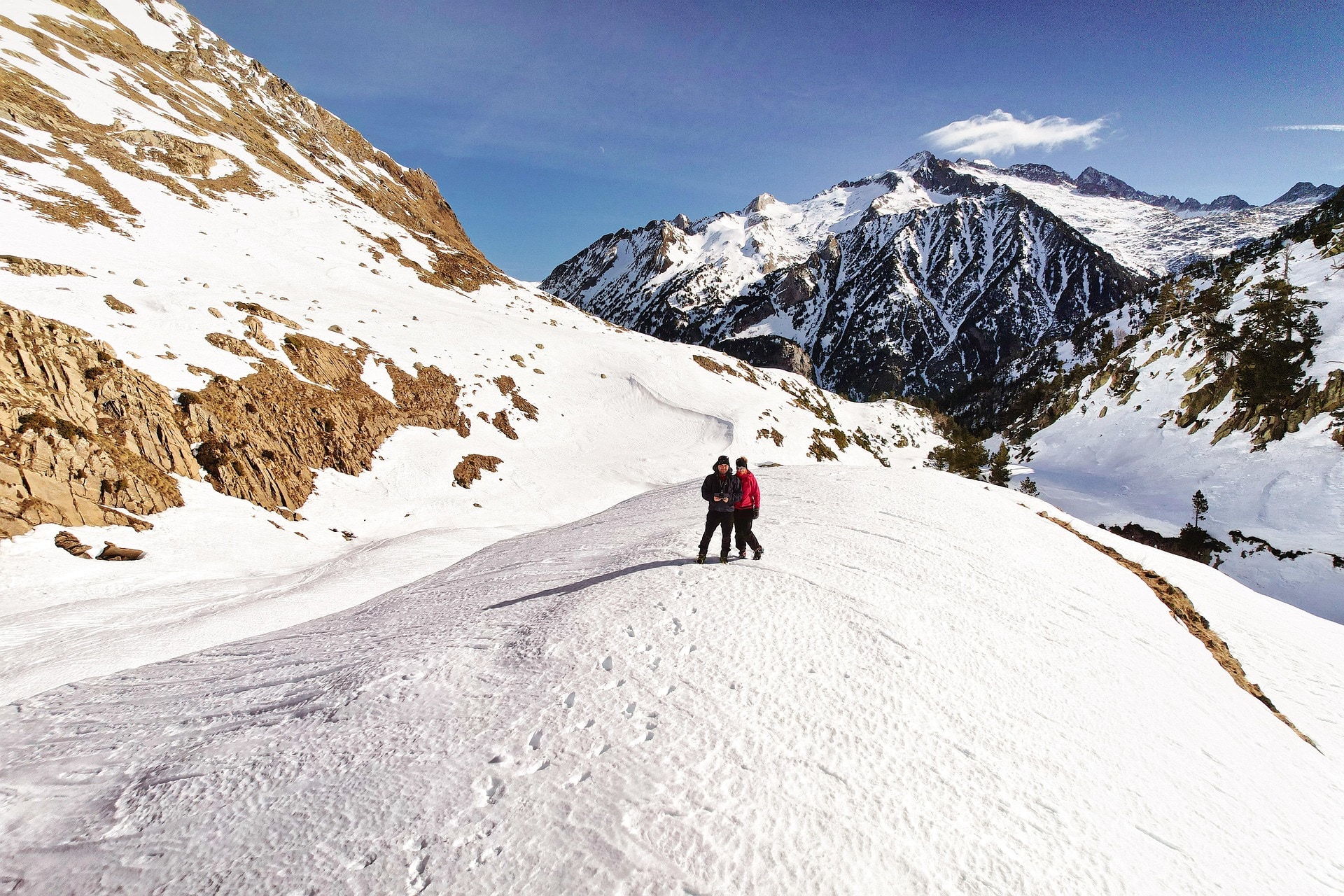
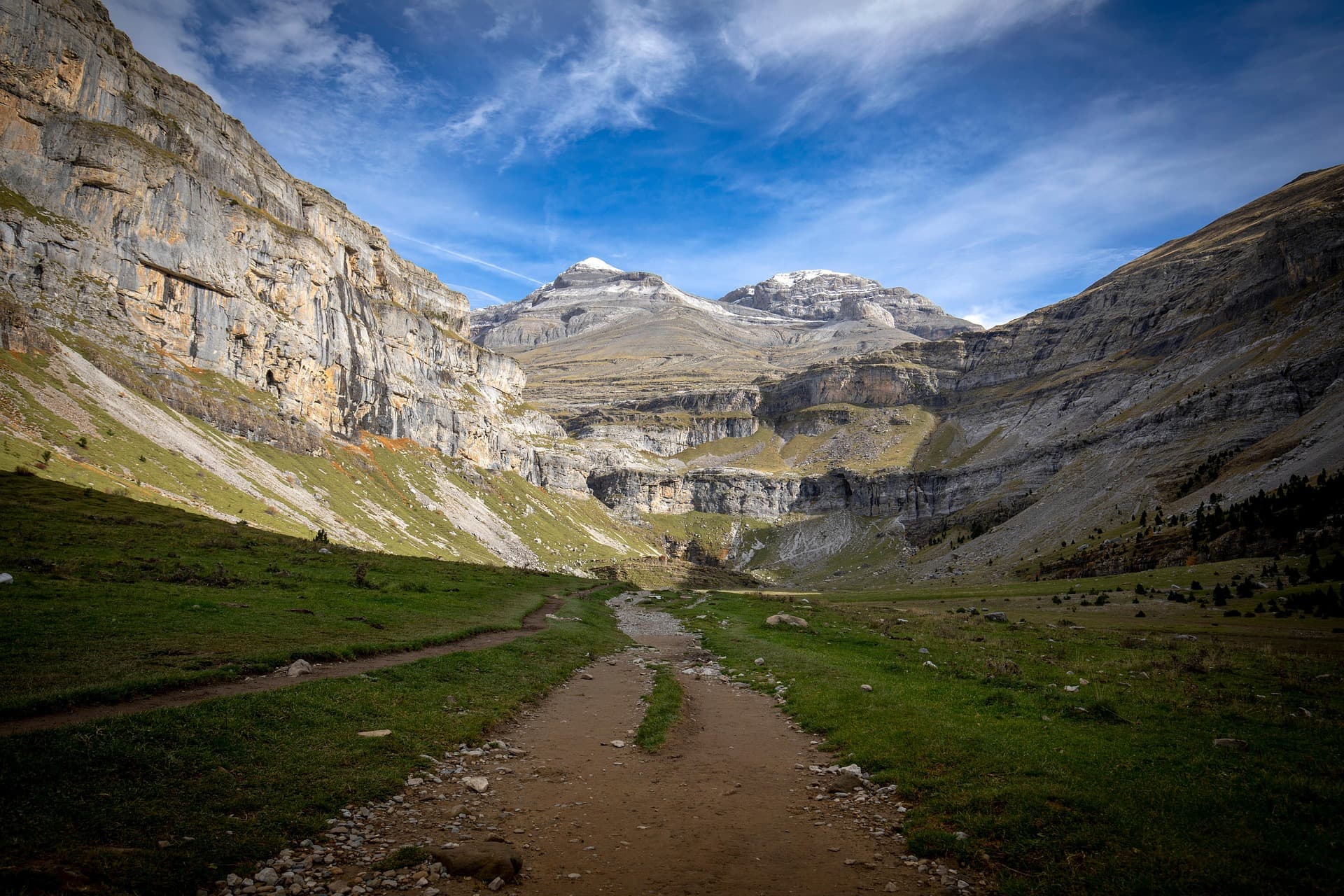
The north is the other honest driving country. From the coast at Llanes or Cangas de Onís up toward the Lagos de Covadonga, the point is the valley, the cattle grids, and the moment the peaks show up. A private car or our driver can wait while you walk a mirador. A scheduled bus cannot. The same is true on the Cantabrian cornisa west of San Sebastián, and on the last coastal kilometers toward Cape Finisterre after Santiago, where the road is the scenery and the village bar is the lunch. Northern Spain Scenic Drives & Picos is built as a driver’s trip for exactly this reason. You came for the road. Someone whose job is the road should be holding the wheel.
Rioja and Mallorca are the two places guests underestimate. In Rioja, the bodegas are not in one pedestrian street. Haro’s old bodega quarter, Laguardia inside its walls, and a long lunch between them: that is a driving day, and it is also a tasting day. Those two facts cannot share a driver who is you. The blood-alcohol limit is low, generally 0.05 percent, and lower for newer drivers. A serious tasting puts you over it. We send a driver on bodega days so the glasses are allowed to be real. On Mallorca, the Ma-10 along the northwest coast and a swim at a cove near Deià are a car day, with one caveat. Cap de Formentor’s last stretch is often restricted to private cars in peak season. Confirm the current rule before you promise anyone the lighthouse at noon in August.
Where the car ruins the day
Madrid does not need your rental. The Prado, the palace, a walk through Retiro, dinner in La Latina: all of that is metro, taxi, or your feet. What the car adds is the M-30, a low-emission zone you may not be cleared for, and a hunt for a parking spot the hotel already solved by not having a car. Barcelona is the same lesson with steeper streets. The Gothic Quarter and El Born are walking districts. Park Güell and Montjuïc have their own access rules and their own full lots. Sants to a hotel in the Eixample is a taxi or the metro, not a scenic drive along Carrer de Balmes at 7 p.m. If your Spain week is Madrid plus Barcelona plus a museum list, decline the car when the website offers it at the flight booking. You will not miss it.
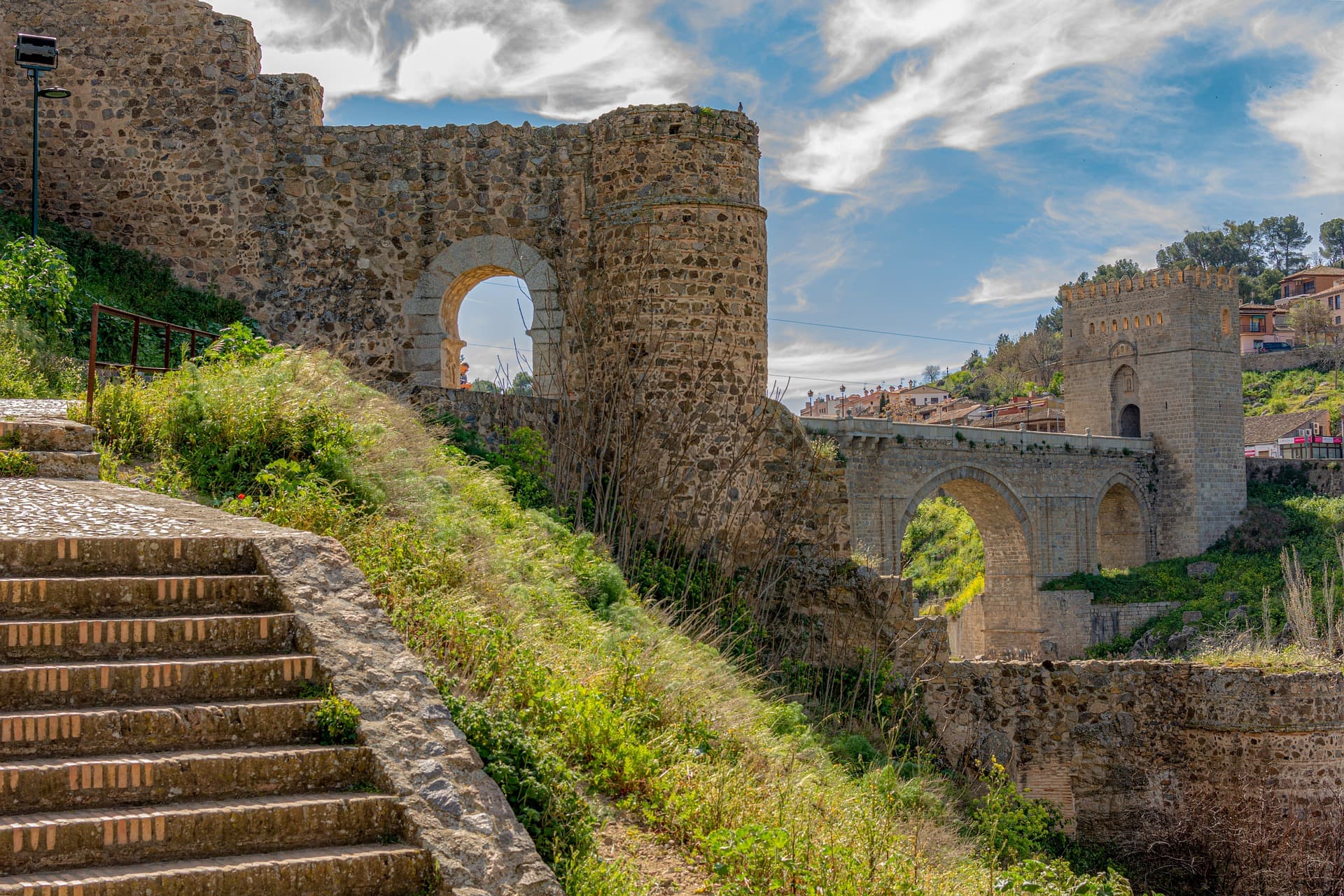
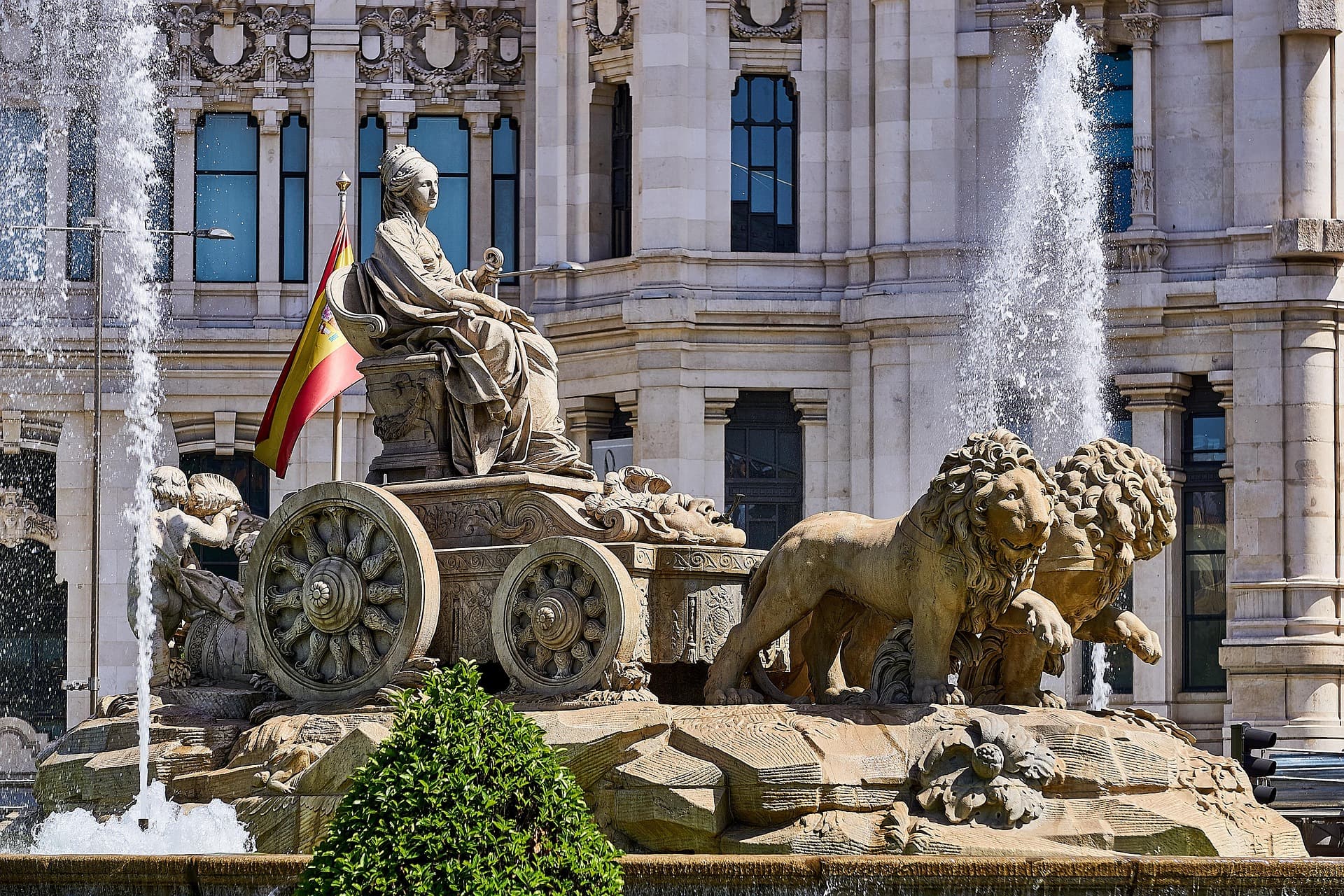
Seville’s cathedral quarter and Santa Cruz are a camera-controlled center, not a place to follow a pin. Use a garage you chose on purpose, or the hotel’s, and leave the car until you leave the city. Toledo is stricter because the hill is the whole town. Parking and the station sit below, and escalators climb from the Recaredo side so you never have to drive up. We do not take a rental into Toledo’s old town, into the Albaicín in Granada, or into Palma’s old core. The Carrera del Darro looks like a postcard and functions as a place to scrape a mirror and block a bus. Palma inside the avenues is the same mistake with more scooters. If someone cannot walk the last stretch, a taxi to a gate is the tool, not a lap of the cathedral.
License, IDP, automatic, and the desk
A valid US license is what the desk expects to see. An International Driving Permit is an inexpensive translation booklet that sits next to it. Some Spanish desks ask for the permit. Some never mention it. You cannot depend on the relaxed desk, and you cannot usefully buy the permit after you land if the strict desk wants it that afternoon. Get it at home before you fly and keep it with the license, not in the checked bag. It does not replace the license. If a second person might drive, put them on the contract at the start, with their own license. Adding them after lunch in a village is not something the agreement allows.
Automatics are the right car if you have not driven a manual in years. They cost more, and on a busy July week the fleet runs out of them unless the voucher already says automático. A website’s ‘we’ll probably have one’ is not that voucher. Land in Málaga, Bilbao, or Palma to find only a manual, and the manual becomes your driving day. Specify the automatic when you book, confirm the word on the confirmation, and look at the gear lever before you sign. If you reserved a child seat, check the group against the child’s weight before you leave the lot. Spain expects a proper restraint. A taxi you hail will not have one waiting.
Tolls, fuel, and where the car sleeps
Autopistas marked AP- often charge a toll. Autovías marked A- are usually free. The sign before the ramp is the moment to decide. Catalonia’s AP-7 had its tolls lifted, so a blog that still budgets a fat toll from the French border to Tarragona is out of date. Other AP roads still charge, including the AP-6 over the Guadarrama between Madrid and the road toward Segovia, and Galicia’s AP-9. If the car has a Via-T device, ask whether tolls will hit your card later. Otherwise use a card lane and keep the receipt. A free autovía a few minutes slower is often the calmer choice.
Rent the fuel the car already drinks. The contract and the sticker inside the filler door say gasolina or diésel. The wrong nozzle is a tow, not an anecdote. Highway stations from Repsol, Cepsa, and the other big names are easy. A white-village pump on a Sunday evening is not. Fill in Antequera, Arcos, or Ronda before you climb toward Grazalema, not when the light comes on above the switchbacks. Bring the car back at the level the contract demands, and decide on any prepaid-tank offer at the desk before you are in the return lane.
City parking is a garage with a known price, or it is a mistake. Zona azul, the blue curb, is paid and timed, and you will overstay it the moment the Alcázar gets interesting. Residents’ bays are not a gray area. Underground car parks in Madrid, Seville, and Valencia are dull and correct. A hotel garage is better. Ask whether they need your plate for the barrier and for any historic-center access window. That window is for unloading. It is not permission to tour. Historic centers are often restricted on top of the emissions rule, with cameras that eventually find the rental company, and then you.
Low-emission zones, roundabouts, and village limits
Madrid and Barcelona both run Zonas de Bajas Emisiones. A rental company usually registers its own Spanish fleet, and you should still ask them to confirm this plate if you will enter Madrid’s center or Barcelona inside the rondes. Do not assume a foreign-plated car can enter because you are a tourist. That includes a car that came from the United States, or one you rented in France or Portugal. The camera does not read a passport. If the hotel sits inside a restricted center, get the access instruction before you follow a pin under a barrier. Seville, Granada, and Córdoba all run versions of the same control. The calm arrival is the one where the car is already parked and you are on foot.
Roundabouts are constant, including multi-lane ones on the edge of Valencia, Madrid, and Málaga. Yield to traffic already in the circle. Signal as you leave. If you miss the exit, go around again rather than cutting two lanes because the navigation spoke late. For the first hour out of the airport, ask the passenger to watch the right side until driving on the right feels dull. Speed cameras exist, fixed and mobile. Where the signs allow it, the autopista limit for a car is 120 km/h. Many ordinary roads are 90. Inside towns the limit is often 50 at the name sign and 30 on a single-lane street. Drive the number on the sign.
Distances that surprise people who planned from a straight line on a phone.
| Drive | What the map implies | What the day actually is |
|---|---|---|
| Seville to Granada on the A-92 | A quick hop inside one region | About 2.5–3 hours, longer with a stop in Antequera or Osuna |
| Ronda via the A-397 from San Pedro | A short climb from the coast | A mountain road, slower than the kilometers, poor in fog or at night |
| Seville to Grazalema and Zahara | A village detour | A half-day on sierra roads, which is the reason to be there |
| Lagos de Covadonga in peak season | A scenic drive from Cangas de Onís | Often closed to private cars; a shuttle and an early start, rules change by year |
| Madrid to Toledo | An easy hour | The hour is real; the old town is not a driving destination once you arrive |
| Madrid toward Segovia on the AP-6 | A short escape | A toll over the Guadarrama, plus weather that can slow the pass |
Three drives that are not the drive you pictured
Seville to Granada is the one we correct most often. They share Andalusia, so the afternoon looks free. It is not. The A-92 runs inland through the countryside past Osuna and Antequera, and a clean run is about two and a half hours, stretching toward three when you leave Seville’s ring road slowly or you stop to stretch. Adding Ronda on the same day, then Granada, then a flamenco show, is how a pleasant map becomes a night arrival with nobody speaking. We will not add that famous town just because it is famous. If Ronda matters, it gets its own piece of the day and usually its own night, or a driver who is not also trying to make the Alhambra.
Ronda’s roads are the second correction. From Málaga, a calm day is well over an hour, and photo stops make it longer. From San Pedro de Alcántara the A-397 climbs in bends. The distance looks small. The speed is not a highway’s. Do it in daylight. The third correction is the Lagos de Covadonga. In peak season the last road is often closed to private cars. You park below or take the shuttle from the Cangas de Onís side, and you follow the day’s rule rather than a blog’s memory. Even when cars are allowed, the last kilometers are narrow. Confirm the current closure before you promise the lakes at 11.
- Never drive a rental into Toledo’s old town. Park below the hill and walk or use the escalators.
- Never drive the Albaicín. Taxi to a gate if you must, then walk the lanes to San Nicolás.
- Never drive Palma’s old core. The avenues are the boundary. Inside them, you are on foot.
- Do not drink and drive. Not after a sherry tasting in Jerez, not after two glasses in Laguardia, not after a menú with wine in a village that has no taxis.
- Do not take the mountain road to Ronda, or the last kilometers to the Covadonga lakes, at night to ‘save time.’
- Do not cross into Portugal or France because the map looks close, unless the rental contract allows it and the day was built for it.
The limit is low, and the tasting regions are where people forget
Spain’s blood-alcohol limit is generally 0.05 percent, and lower for newer drivers. A long lunch in Rioja, a copita or two in Jerez, a Ribera del Duero tasting that became a meal: any of those can put you over the line, on a rural road with little shoulder. There is no number of sips we will endorse. If the day includes alcohol, you are not the driver. If you are the driver, you drink water. That rule holds on our trips even when the wine is the reason you came. The Guardia Civil does not grade the tasting menu on a curve.
"If the day includes a tasting in Rioja or a copita in Jerez, the person who drank is not the person who drives."— Spain 360 on the road
What we do instead
On a Spain 360 private trip, the long scenic days belong to a driver, so the guide and the view stay the point. You can look at Grazalema without watching the oncoming bus. You can taste in Rioja because someone else has the keys. You can finish the Alhambra and sit down, rather than fetching a car under the Albaicín and negotiating a restricted street. When the train is the better tool, Madrid to Seville on the AVE being the obvious case, we say so. Rent a car only for the piece you truly want to drive, such as a Mallorca afternoon, and specify the automatic. From the first morning in Bilbao, Northern Spain Scenic Drives assumes a professional at the wheel. You still get the Picos.
If you are building the week yourself, keep the split. Villages, the Picos, Rioja with a sober driver, Mallorca’s coves: take the car. Madrid, Seville’s center, Toledo’s hill, Barcelona’s old core, the Albaicín, Palma inside the avenues: do not. Ask about the ZBE, carry the license and the permit, and buy the fuel printed on the door. A string of famous cities is an AVE week, not a rental week.
Plan Your Spain Trip
Talk with our Spain-based team about small-group departures, private itineraries, and straightforward travel from the US—we handle the details.
Contact UsRecommended Journey
Northern Spain Scenic Drives & Picos
Ten private days with a driver from Bilbao and San Sebastián through the Picos de Europa, the Cantabrian coast, and on toward Santiago. The road is the point, and you are not the one watching the trucks.
View the itineraryExpert's Tip
If the voucher does not say automático, assume the car at the Málaga or Bilbao desk is a manual. Say so when you book, not when they hand you the key.
Get the Soul of Spain in Your Inbox
Join our curated list for exclusive travel stories, hidden jazz venues, and expert guides delivered once a month.