Barcelona Without Living on the Rambla
12 min read
Barcelona is easy to do badly. The Rambla is a corridor, the Sagrada Família has a queue even with a ticket, and a day that tries to see every Gaudí building ends as a sequence of security lines. The city is also easy to do well if you treat it as a neighborhood with a few timed monuments, not as a checklist. Three nights is the right amount when Barcelona is one chapter of a Spain trip. Four nights is the right amount when it is the point. Either way, the official morning ticket, one neighborhood dinner, and a decision about which day trip you are not taking will do more for the trip than another hour on La Rambla.
How many nights, and which airport day
If you are flying into Barcelona and then moving on to Madrid, Andalusia, or the north, give the city three nights. That is two full days plus the evening you land and the morning you leave. A single night between an international arrival and an AVE to Madrid is a transfer, not a visit, and the Sagrada Família will feel like a task you completed rather than a building you saw. If Barcelona is the whole trip, four nights lets you add Montserrat or Girona without stealing the morning from the church. Do not bolt San Sebastián or Seville onto a four-night Barcelona stay. The AVE to Madrid is about two and a half hours. Seville is another long ride beyond that. The north is a different week.
El Prat (BCN) is the airport. The Aerobús and the metro both reach the center. A taxi is the kinder choice with luggage after a transatlantic flight, and the ride into the Eixample is straightforward outside rush hour. Tell us the flight number if a Spain 360 day starts the morning after you land. We do not include international flights. We do meet you when the quote says the transfer is included. Do not book a monument for the hour you hope the bags will appear.
Sagrada Família, and then stop adding towers
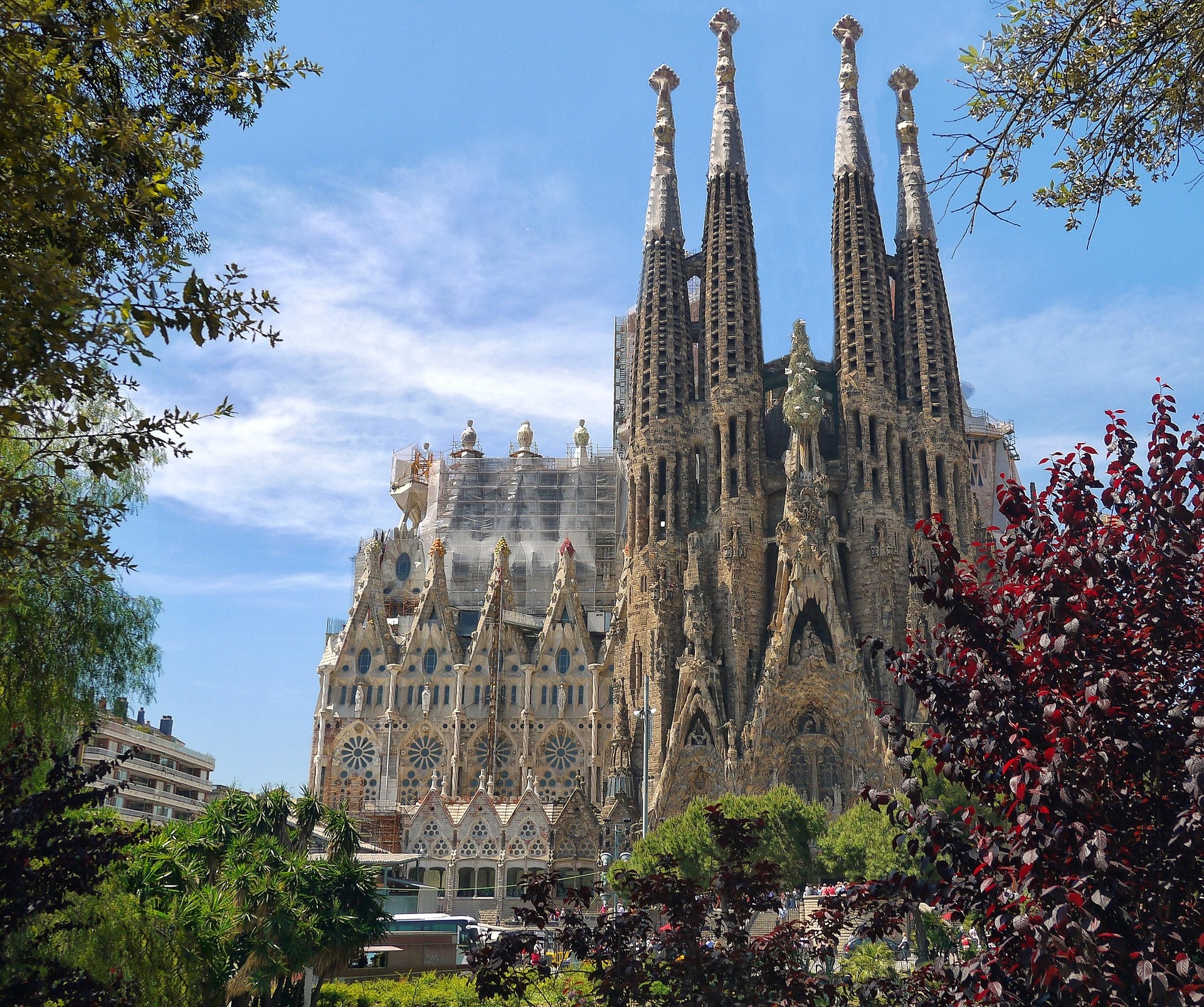
The Sagrada Família is the reason most people put Barcelona on the list, and it is worth the morning if you buy the ticket the right way. The official site is sagradafamilia.org. Choose a timed entry. A morning slot, as close to opening as you can get, is the difference between seeing the nave and seeing the backs of other people’s phones. The church is still a building site. Cranes and unfinished stone are part of what you came to look at, not a disappointment to be explained away. Go in, stand still in the central nave until your eyes adjust, and look up at the color before you start circling.
The towers are a separate decision. They add time, stairs or a lift, and a view that is real but not required for the visit to count. If heights bother you, skip them and spend the saved half hour outside, walking once around the Nativity facade and once around the Passion facade. Those two exteriors are the lesson in how the project changed, and they are free to look at from the pavement if your ticket is later and you have already walked over from the metro. Security is real. The name on the ticket should match the name on the passport you are carrying. Arrive a little early. A tight connection from the hotel across town is how people miss the slot they paid for.
Confirm the current price on the official site before you travel. It sits higher than a parish church and lower than a careless reseller markup. We book the timed entry on a private or small-group day when the itinerary includes it. We do not promise a specific hour until the ticket is in hand, because morning slots in spring and October go first.
Two Gaudí buildings, not six
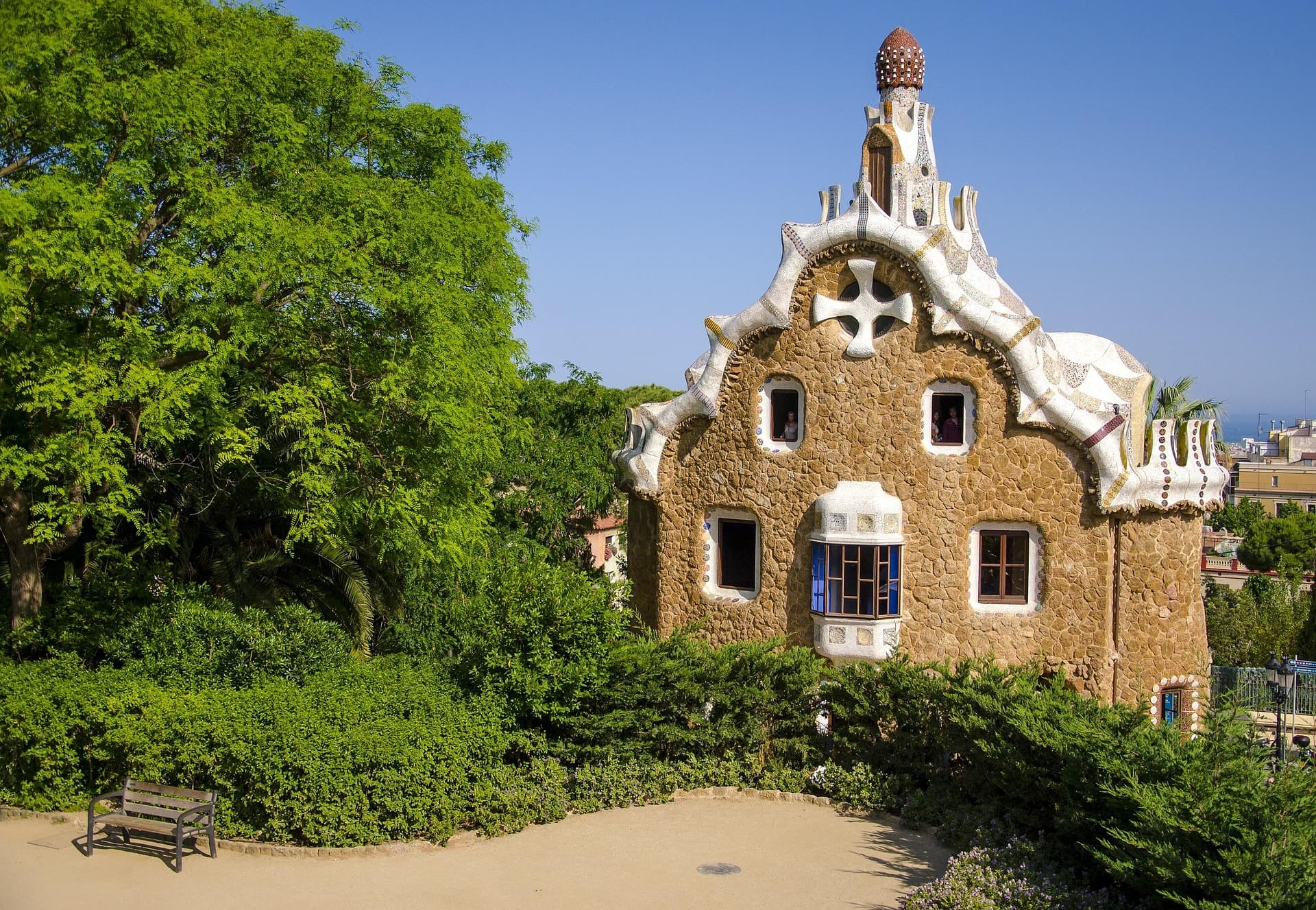
Park Güell is the second Gaudí visit that earns its place, and it should not eat the day. The monumental zone is ticketed and timed. Go early, see the terrace and the salamander bench, walk out, and be back on the metro before lunch. The park sits uphill in Gràcia’s outer edge. The walk from the lower entrance is part of the visit. Doing Park Güell at 1 p.m. in July, then racing to Casa Batlló, then to Casa Milà, then to the beach, is how a good city becomes a shuttle.
Pick one house on Passeig de Gràcia if you want an interior, not both. Casa Batlló and Casa Milà (La Pedrera) are a few blocks apart in the Eixample, and each wants about an hour of real attention. The rooftop at La Pedrera is the one we send people to when they have already done the Sagrada Família and still want one more Gaudí room. The facades are worth a slow walk in the evening with no ticket at all. That evening walk, from Passeig de Gràcia down toward the Plaça de Catalunya and then off the Rambla into a side street, shows you more of how the grid works than a third audio guide.
Gothic Quarter early, El Born after lunch
The Barri Gòtic is worth the early hour and a poor idea at noon. Start at the cathedral when it opens, walk into the cloister if it is open that day, and then take the small streets toward Plaça del Rei and the remains of the Roman city under the museum there if you like stones more than shops. The souvenir spine that runs toward the Rambla gets thick by late morning. You can feel the shift in a single block. Turn around and go toward the Born instead of pushing through it.
El Born is the afternoon. Santa Maria del Mar is the church to sit in, not the cathedral you already did. The square in front of it, and the streets of the old market hall nearby, are where the city feels like a place people use. The Picasso Museum is on Carrer Montcada, a short walk, and it is a timed ticket worth buying if you care about the early work and the Las Meninas series he painted here. It is skippable if your Madrid days already include the Prado and you are tired of queues. Do not do the Picasso Museum, the cathedral, and Park Güell before lunch. That is three different Barcelonas forced into one morning.
Gràcia in the evening, Poble Sec for dinner
Gràcia used to be its own town, and the streets still behave that way. Plaça de la Vila de Gràcia, the square with the clock tower that locals still call Plaça de la Revolució or simply the plaça, is the place to arrive as the light goes. You are not there for a monument. You are there because the bars open onto the square and the dinner hour in Spain starts after 8:30, so you have time to walk Carrer de Verdi and the smaller plaças off it before anyone is ready to sit. This is the neighborhood evening that replaces a second lap of the Rambla.
If Gràcia is the walk, Poble Sec is the meal. It sits under Montjuïc, a grid of streets between Parallel and the hill, and it is where we send people who want a real dinner without a tasting-menu performance. Carrer de Blai is the pintxo-like strip, useful and a bit of a scene. One street over is often calmer. Order a few things to share and a glass of wine. You do not need a reservation for that kind of evening, though a Friday in October can surprise you. Vegetarians can eat well here if they say so. A traditional Catalan menu still leans on pork, fish, and pa amb tomàquet, the tomato-rubbed bread that shows up whether you asked or not.
"The Rambla is a ten-minute walk at opening, or it is a mistake you keep repeating. Dinner belongs in Gràcia or Poble Sec."— Spain 360, on a Barcelona evening
The market, the beach, and Montjuïc
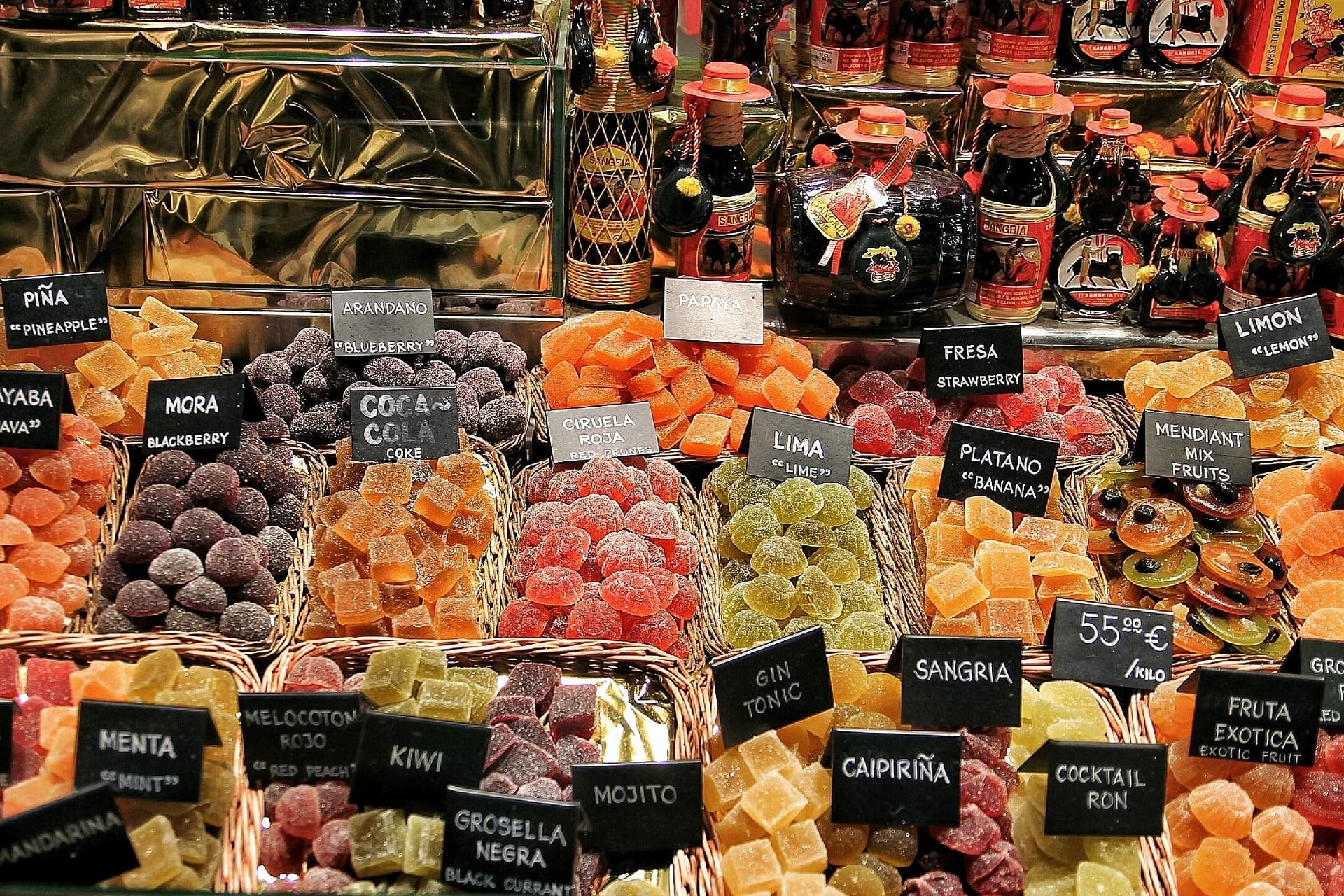
La Boqueria, on the Rambla, is worth ten minutes at opening if you like looking at produce, and it is the wrong place for lunch. The stalls at the front are priced for the corridor. If you go, go when the shutters are still coming up, buy a piece of fruit if you want one, and leave before the aisle locks. Santa Caterina, in the Born, is the smaller market we prefer for a look. Neither market is a meal. Lunch is a menú del día in a bar with a paper menu, often somewhere in the teens of euros. Confirm what that menu costs the week you are there. It changes by neighborhood.
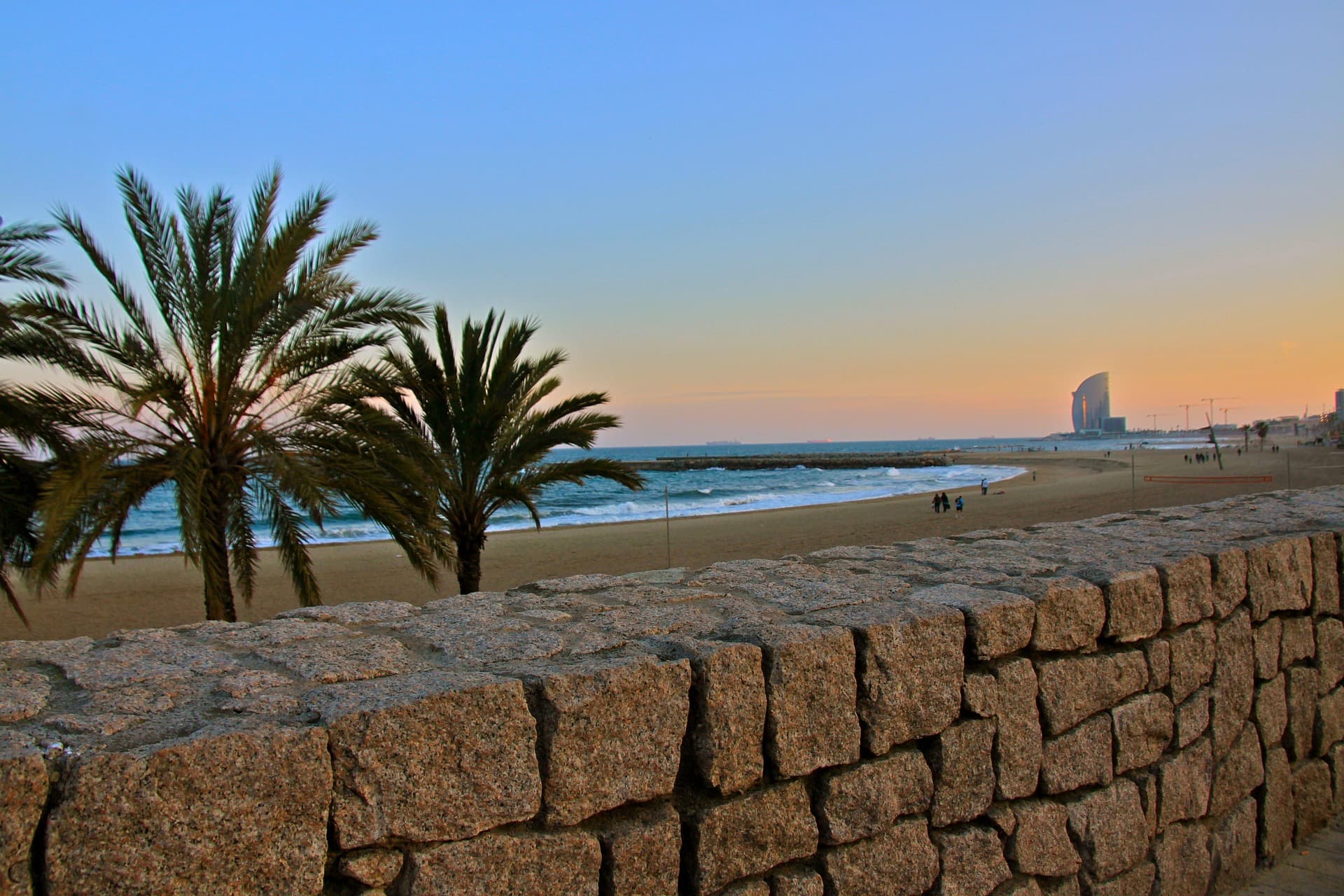
Barceloneta is a neighborhood with a beach, not the best swim of your life. The sand is city sand. The promenade is a walk. Go if the day is hot and you want an hour of water after a museum morning, and do not organize the trip around it. The better sea, if the sea is the point, is a Costa Brava day with a car, or a different week on Mallorca. Trying to swim in Barceloneta and still make a 4 p.m. Park Güell slot is how both things feel rushed.
Montjuïc is the hill for a view and, if you like museums, for the MNAC, the Catalan national art museum in the palace at the top of the steps. The building is the postcard. The Romanesque frescoes inside are the reason to pay the entrance if you have already had your fill of Gaudí. You can ride up from Parallel or walk a portion of it. Give it a morning or a late afternoon, not the hour between two other tickets. The Magic Fountain show in front of the palace is a pleasant evening if you are already on the hill. It is not a reason to cross the city.
Day trips that earn the train, and one that usually does not
One day trip. Not Montserrat in the morning and Girona after lunch.
| Day trip | What it actually takes | Choose it when |
|---|---|---|
| Montserrat | Half a day if you are disciplined. Rack railway or cable car, the monastery, a short walk, and the ride back before the last convoy. | You want a mountain and a monastery and you will leave before dinner. |
| Girona | About 40 minutes on the fast train from Sants or Passeig de Gràcia, then the old town on foot. The city is the visit. | You want stone lanes, a cathedral, and a river walk more than a theme-park mountain. |
| Besalú | A longer outing, usually with a car or a connection, for the fortified bridge and a small medieval town. | Girona was not enough and you have a driver or a rental. |
| Figueres | The Dalí theatre-museum, timed, and not much else you need the same day. | You care about Dalí. Otherwise skip it. |
| Costa Brava coves | A car and a full day. The pretty coves are not a metro ride. | The beach is the reason for the day, and Barcelona can spare it. |
Montserrat looks close on a map and punishes a vague plan. You need to know whether you are taking the rack railway from Monistrol or the cable car, and you need to be on a return that still exists. The monastery and the boys’ choir, when the choir is singing, are the center. A walk on the mountain paths above the basilica is the part people remember if they allowed an hour for it. Turning up at noon with no return ticket and a Sagrada Família booking at 5 is the version we talk people out of.
Girona is the day trip we prefer for a first Barcelona stay when the guest wants an old town and not a cable car. The cathedral, the city wall walk, and the Jewish quarter are a full morning and a slow lunch. You can be back in Barcelona for a Gràcia evening. Besalú’s bridge is the picture, and it is better as part of a private Catalonia day with a driver than as a self-made connection after Girona when you are already tired. Figueres is for Dalí or it is a detour. The Costa Brava is a car day. Do not describe a cove you saw on a phone as something you will reach between lunch and a 7 p.m. dinner reservation in the Eixample.
Crowds, the metro, and ordinary caution
The thick crowds are specific. They are the Rambla from late morning to evening, the front of the Sagrada Família when a cruise schedule dumps passengers, the Boqueria aisle, and the metro car at Plaça de Catalunya when two lines are changing. They are not all of Gràcia at 7 p.m., and they are not the Eixample grid on a weekday morning. Book the monuments. Walk the grid in the evening, when the chamfered corners of the Eixample make every intersection a small square. If a street feels like a parade route, step one block sideways. Barcelona rewards that more than most cities, because the grid gives you a parallel street that is suddenly quiet.
Pickpockets are a practical fact on the Rambla, on the beach promenade, and in crowded metro cars. The usual rules hold. Bag in front, phone away from the edge of a sidewalk table, no need for a lecture about danger. This is a large European city, lively at night in the center, and ordinary caution is the whole advice. We do not dress it up as a warning that should change whether you come.
Move on the metro. A multi-trip card from the machine covers the days you are here. Taxis and ride apps are fine late, or with luggage, or when the hill up to Park Güell looks steeper than you want after a long morning. Do not rent a car to see the Gothic Quarter. The low-emission zone and the old-town restrictions will spend your afternoon. A car is for a Costa Brava day or a private route that leaves the city. It is not for finding the cathedral.
A three-day shape that leaves room
- Day 1: Sagrada Família at opening, then the Eixample facades on foot, lunch, and a short stop at one house only if you still want an interior. Evening in Gràcia.
- Day 2: Gothic Quarter early, Santa Maria del Mar and the Born, lunch, then either the Picasso Museum or nothing. Beach hour only if the heat asks for it. Dinner in Poble Sec.
- Day 3: Park Güell early or Montjuïc and the MNAC, not both at full size. Afternoon free, or the train to Girona if this is your day-trip day and the morning monument was yesterday.
If you only have two full days, drop the day trip and drop the second Gaudí house. Keep the Sagrada Família morning and one neighborhood evening. The mistake is protecting every famous name and cutting the lunch. Lunch is the long meal, from about 2 to 4. Kitchens that will feed you at noon exist, and some are fine, but the table you want is the later one. A 9:30 dinner is normal. If you are hungry at 7, have a glass of vermut and walk.
August is hot and some neighborhood kitchens take a week off. The monuments stay open. Spring and October are the kinder months for walking the Born and still wanting a second neighborhood after dinner. Cruise-ship mornings change the feel of the port and the bottom of the Rambla. They do not close Gràcia. If your dates are fixed, book the church and then stay above Plaça de Catalunya for the rest of the day.
Where this sits in a longer Spain trip
On a first trip that also wants Seville and Granada, Barcelona is either the start or the finish, not a night in the middle. Land at BCN, take three nights, then the AVE to Madrid and south, or finish here after Madrid so the flight home is simple. Adding it as a long day from Madrid, there and back, is a train ride with a photograph. The Catalonia Mountains to Coast private trip is the version where Barcelona is allowed to be itself and then the route continues to Girona, Besalú, and the coast with a driver, which is the right tool once you leave the metro map.
Hotels on our trips are three, four, or five star, in a neighborhood you can walk from, and the exact building is confirmed closer to the date. In Barcelona that means the Eixample, the edge of the Born, or a similarly walkable address, not a highway tower and not a room you can only reach by crossing the Rambla with your luggage every time. Tell us if stairs are a problem before we confirm. Historic buildings do not all have elevators. Flights stay yours unless a written quote says otherwise.
If you remember one sequence, remember this. Morning ticket at the Sagrada Família, two Gaudí visits in the whole stay, the Born after the Gothic Quarter has filled up, and dinner in Gràcia or Poble Sec. One day trip, chosen on purpose. The Rambla is a way to cross the old town once. It is not the city.
Plan Your Spain Trip
Talk with our Spain-based team about small-group departures, private itineraries, and straightforward travel from the US—we handle the details.
Contact UsRecommended Journey
Catalonia Mountains to Coast
A private Catalonia route that keeps Barcelona to the days it deserves and then leaves the city for Girona, Besalú, and the coast, instead of stacking six Gaudí buildings into one afternoon.
View the itineraryExpert's Tip
Buy the Sagrada Família ticket on sagradafamilia.org for a morning slot. A reseller page that will not show you the time until after you pay is the wrong door.
Get the Soul of Spain in Your Inbox
Join our curated list for exclusive travel stories, hidden jazz venues, and expert guides delivered once a month.